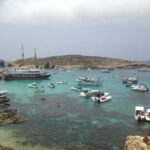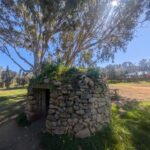


Malta is small on the map and easy to underestimate. Then you arrive and realise how much is packed into a tight space: old cities, busy harbour towns, swimming spots, ferry trips, churches, fortifications, and long layers of history sitting right next to ordinary daily life. If you need the basics first, start with where Malta is and whether Malta is a country.
Those layers matter when you choose where to stay. The islands still carry traces of the Knights of Malta, the Phoenicians, and even the temple builders. That history shapes the street layout, the architecture, the views, and sometimes even how practical a place feels when you are carrying bags up a hill in summer.
There are many Airbnb-style stays in Malta, from farmhouses and village houses to compact flats in the harbour towns. This guide keeps it simple: which areas make sense, what to look for before booking, and what kind of apartment works best for a normal Malta trip.
Is Airbnb legal in Malta?
Airbnb-style short lets are a normal part of the Malta accommodation market. For most visitors, the more useful question is not legal theory but practical fit. Malta works well for couples, families, and digital nomads, but each group needs slightly different things from a base.
As a guest, the basics are straightforward. Respect the building, keep noise down when coming and going, follow the rubbish instructions if you are staying more than a couple of nights, and do not ignore house rules on smoking, pets, parties, or guest numbers. Malta apartment blocks are lived-in places, not anonymous hotel corridors.
Airbnb vs hotel in Malta
If you are used to hotels, a short let will not feel strange. You still check in, stay, and check out. The difference is mostly in space, privacy, and how you use the place during the day.
Hotels usually give you a reception desk, breakfast, and sometimes a pool, gym, or bar. What they often do not give you is room to spread out. That starts to matter on longer stays, family trips, remote-work trips, or any holiday where you do not want every meal and every evening built around a hotel room.
An Airbnb can make more sense when you want a proper kitchen, more than one TV, desk space, a larger fridge, a washing machine, or simply a bit more breathing room. It can also be better value per person, especially if two or more people are sharing.
If you are still deciding between areas and accommodation types, these two guides will help more than generic booking-site blurbs: Where to Stay in Malta and Alternatives to Airbnb in Malta. If you want a more detailed booking checklist, read Holiday Rentals in Malta.
What to look for in an Airbnb in Malta
Malta has enough short-let stock that you can afford to be picky. Do not book on photos alone. Check the floor, the lift situation, the air conditioning setup, and the actual street.
- Air conditioning in the bedrooms and living area
- Reliable internet
- An equipped kitchen, not just a kettle and two cups
- A washing machine for stays of more than a few days
- A lift if you are carrying luggage, have children, or do not want stairs every day
- A proper desk or table if anyone will work remotely
- Enough seating and storage to make the apartment usable, not just photogenic
- A location that matches your real plans, not a vague promise that “everything is close”
A few Malta-specific points are worth keeping in mind. Top-floor places can get hot in summer. Seafront places can be noisy, depending on the street. Some old buildings are full of character but not especially practical if you are hauling suitcases, a pram, or beach gear every day.
Where should I stay in Malta?
Your base should match the kind of Malta trip you actually want. Most first-time visitors want some mix of Valletta, swimming, boat trips, old towns, a few good dinners, and something easy enough not to feel like daily logistics. For that kind of trip, the main contenders are Gzira, Sliema, Bugibba, Valletta, St Julian’s, Mdina, and Gozo.
Gzira
Gzira is one of the most practical bases on the island. It sits in the middle of a useful stretch of coast, with easy access to Sliema, Valletta, and St Julian’s. The promenade gives you views across to Manoel Island and the old Lazaretto, and everyday life is close at hand: buses, groceries, cafes, ferries, and waterfront walks. It is not as polished as parts of Sliema and not as dramatic as Valletta, but it is often easier to use as a real base. You can also pair it with ideas from these day trips from Sliema and Gzira.
If Gzira sounds like the right fit, see the apartment here: ManicMalta.com/gzira
Sliema
Sliema is more established as a visitor base and usually a bit pricier. It works well for people who want shops, long waterfront walks, rocky swimming spots, and a place that feels busy from morning to evening. It is convenient and easy to understand. If that is your style, read the fuller guide to what to do in Sliema.
Bugibba
Bugibba has a more obvious holiday-resort feel. There are more hotels, more package-holiday energy, and easier access to the north. It suits visitors who want a busier summer atmosphere, straightforward dining options, and decent positioning for northern beaches and Comino boats.
Valletta
Valletta is best if you care most about atmosphere, architecture, and history. It is compact, steep in places, and full of distractions: churches, side streets, museums, harbour views, and old stone everywhere. Fort St Elmo is one obvious stop, and the wider story of the Knights of Malta helps the place make more sense. Valletta is a strong choice for a short cultural stay. It is less ideal if your main priority is easy swimming or a roomy family setup.
Saint Julian’s & Paceville
St Julian’s and Paceville are the nightlife zones. If your trip revolves around bars, clubs, late dinners, and not minding a bit of chaos, this is the obvious area. If that sounds exhausting, stay elsewhere and visit when you want the energy.
Mdina
Mdina is beautiful, quiet, and not especially practical for most first-time visitors unless you are deliberately going for a slower and more atmospheric stay. It works better as a romantic or short heritage-focused base than as an all-purpose Malta setup.
Gozo
Gozo suits people who want a slower rhythm. It is a good option if you are splitting your trip, returning to Malta, or simply know you prefer open space over busy harbour towns. For many first-timers, though, Gozo works better as part of the trip than as the only base.
What a useful Malta apartment actually looks like
A good Malta apartment is not just stylish in photos. It should work when you come back tired, wet from the sea, carrying groceries, or trying to get a child to sleep while someone else is still awake. That usually means proper air conditioning, enough separate space, a usable kitchen, decent seating, and a location that saves time rather than wasting it.
- Enough room for people to do different things without sitting on top of each other
- Desk space if work is part of the trip
- More than one sleeping arrangement if children or extra guests are involved
- Storage, hanging space, and bathrooms that make a week-long stay feel manageable
- A street and neighbourhood that still make sense after dark, not just in the listing photos
If you want to compare this article with a more detailed planning path, go next to Where to Stay in Malta, then Alternatives to Airbnb in Malta, and finally the more practical holiday rentals checklist.
“` [1]: https://manicmalta.com/where-to-stay-in-malta-an-honest-guide/?utm_source=chatgpt.com “Where to Stay in Malta — An Honest Guide – ManicMalta.com”Stay in Gżira near the promenade
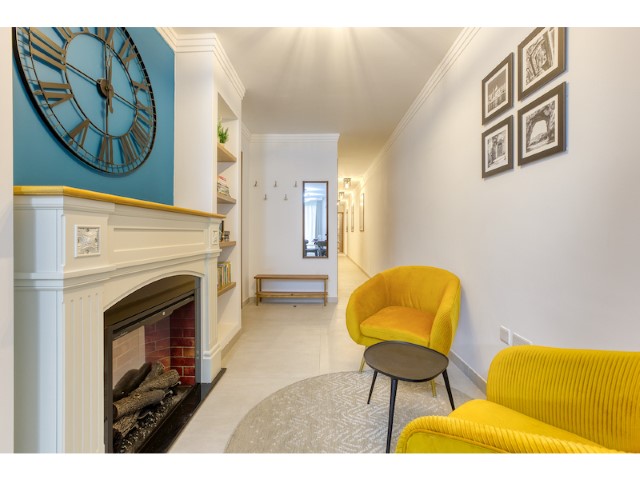
A designer 2-bedroom apartment in Gżira, close to the church, around 2 minutes from the promenade, and near Manoel Island.
View on Airbnb