
By John· ManicMalta.com · Living in Malta since 1997
TL;DR — THE 30-SECOND VERSION
Seven museums in one walking loop through Valletta, in the order you’d actually do them — with the practical stuff nobody else tells you.
If you only do one thing: Lascaris War Rooms guided tour. Best single experience in Valletta.
Best surprise: Casa Rocca Piccola (nobleman’s palazzo, still lived in) and Black Friars (4.8 on TripAdvisor, nobody’s heard of it).
Best for kids: Saluting Battery. It’s a real cannon. Three euros.
Avoid: Tuesdays if you want Fort St Elmo. Sundays if you want Lascaris or the Battery.
Budget: €50–70 per person for everything, or cherry-pick two or three.
Time: Full route takes a hard day. Realistic target: 3–4 museums plus coffee and a view.
Jump to:
The Walking Route · Museum of Archaeology · Grand Master’s Palace · Casa Rocca Piccola · Black Friars ·
Fort St Elmo · Lascaris War Rooms · Saluting Battery · With Kids · Prices & Hours · What Next? · FAQ
Most people arrive in Valletta, walk Republic Street, queue for St John’s Co-Cathedral, and leave thinking they’ve done the capital. They haven’t. The city is packed with museums that tell completely different stories — prehistoric temples, Knights’ armouries, WW2 command bunkers, a nobleman’s palazzo with a talking parrot — and nearly all of them are within ten minutes’ walk of each other. (If you want the sweep of Malta’s history before you go, start there.)
I have been to Valletta 100s of times. Playing tourist, running errands, and just sitting down at a café watching life go by.
What follows isn’t a ranked list — it’s a walking route. (I’ve also written a broader self-guided walking tour of Valletta if you want the non-museum version.) The actual order I’d take you through Valletta if you turned up with a day to kill and comfortable shoes. I haven’t included St John’s Co-Cathedral (which deserves its own piece), MUŻA — the national art museum at the Auberge d’Italie — or any of the Three Cities museums across the harbour. This is strictly the peninsula, strictly walkable, strictly the places I’d spend my own money on.
Two warnings before we start
Shoes: Valletta is hilly and full of stairs. Every museum on this list involves steps, stone floors, or both. Wear proper shoes, not sandals. The stone paving gets slippery when wet.
Cruise ships: If ships are docked in the Grand Harbour, avoid Republic Street between 10am and 2pm. Check the Valletta Cruise Port schedule before you plan your day.
Sun Tan Lotion : Just because it’s not a beach do not assume the sun burns less. However there is a lot of shade due to narrow streets, so it is a good route for very sunny days.

The Walking Route
This is the route in order — City Gate to the tip of the peninsula, then back along the harbour ramparts. The table includes the museums but also the buildings, views, and coffee stops you’ll pass along the way. Some of Valletta’s most impressive architecture sits right on the route — you don’t need to go inside to appreciate it.
On mobile, swipe left to see full table details.
| # | Stop | Type | Time | Notes |
|---|---|---|---|---|
| — | City Gate & Renzo Piano’s New Parliament | Walk-by | 2 min | Love it or hate it — the three-storey limestone parliament is a zero-emission Renzo Piano design. Walls cut in Italy. Can’t enter, but the ground floor sometimes hosts a free exhibition on parliamentary history. |
| 1 | Museum of Archaeology | Museum | 1–1.5 hrs | Arrive 9:30am. Best before visiting temple sites. €5 entry. |
| — | Pass: Auberge de Castille | Walk-by | 2 min | Possibly Malta’s finest building. Originally the Knights’ residence for the Langue of Castile and Portugal, given a full Baroque makeover in the 18th century. Now the Prime Minister’s office. Can’t enter, but the façade is worth stopping for. |
| 2 | Grand Master’s Palace | Museum | 1–2 hrs | Armoury is the star — one of the world’s largest collections. Card only. Bags in lockers. €12–15. |
| — | Pass: St John’s Co-Cathedral (exterior) | Walk-by | — | Built by the Knights to commemorate their defence of Christianity. The exterior is deliberately austere — the jaw-drop is inside. Caravaggio’s Beheading of St John is here. Interior deserves its own half-day. |
| 3 | Casa Rocca Piccola | Museum | 1–1.5 hrs | Best surprise in Valletta. Guided tours hourly. La Giara restaurant in cellars for lunch. |
| ☕ | Coffee & pastizzi at Caffè Cordina | Break | 20–30 min | Republic Square institution since 1837. Grab a ricotta pastizz and an espresso. Sit outside on the square and watch the city go past. |
| 4 | Black Friars Experience | Museum | 30–90 min | One block south on St Dominic Street. Get €13 combo with Mysterium Fidei. |
| 5 | Fort St Elmo & War Museum | Museum | 2.5–3.5 hrs | Tip of the peninsula. Bring water and snacks. Closed Tuesdays. |
| 🌊 | Upper Barrakka Gardens — harbour view | View | 15–20 min | Walk the harbour-side ramparts back from Fort St Elmo. Best panorama of the Grand Harbour and Three Cities. Free. |
| 6 | Lascaris War Rooms | Museum | 2–3 hrs | Below Upper Barrakka. Only 3 tours/day — check times. €20. |
| 7 | Saluting Battery | Museum | 45–60 min | Time for noon or 4pm cannon firing. €3. No shade. |
| 🌿 | Hastings Garden — rest stop | Rest | 15–20 min | Walk back along the Marsamxett side to City Gate. Quieter than Barrakka. Benches, shade, sunset views over Sliema. Good place to decompress before the bus home. |
Watch the Closure Days
Fort St Elmo is closed Tuesdays. Lascaris War Rooms and Saluting Battery are closed Sundays. Casa Rocca Piccola is closed Sundays. Black Friars has reduced hours Wed–Fri (closes 12:30). Hours change seasonally — always check venue websites before you go.
1. National Museum of Archaeology
Start here, especially if you’re planning to visit any of Malta’s temple sites — Ħagar Qim, Mnajdra, Tarxien, the Hypogeum. The museum houses the original finds from all of them, and seeing the artefacts first makes the temples make sense. Go afterwards, and you’ll just be looking at carved panels without context.
The star exhibits: the Sleeping Lady, a tiny Neolithic figurine found in the Ħal Saflieni Hypogeum — exquisite and easy to walk past because her display case has almost no fanfare. The Venus of Malta from Ħagar Qim is here too, along with the so-called “Fat Ladies” from Tarxien — voluptuous stone figures older than the Pyramids. Whether they represent fertility goddesses or something else entirely, nobody knows. That’s part of the appeal.
Upstairs: the Gran Salon is the real architectural surprise. It was the Knights’ dining room when this building served as the Auberge de Provence, and the frescoed ceiling and wooden coffered panels are stunning. I’ve seen restorers up on scaffolding working on it — stick your head in even if the rest of the upper floor doesn’t grab you.
Easy to miss: the numismatic collection (coins from Carthaginian to British) and the Phoenician shipwreck display from Xlendi in Gozo — both better than they sound. There’s also a display of elongated skulls found at the Hypogeum (genuinely interesting research context, and yes, it draws the Ancient Aliens crowd). And if you’ve noticed the mysterious prehistoric cart ruts carved into rock all over Malta with no convincing explanation, you’ll find them addressed here too.
Practical details
- 1–1.5 hours is enough
- Free audio guide via QR code at reception — bring headphones
- Lockers require a cash deposit (minimum €5) — annoying since the ticket desk takes cards
- €5 entry, €3.50 for over-60s regardless of nationality
- Best for: anyone visiting temple sites, prehistory fans, architecture lovers
2. Grand Master’s Palace
I’m going to be straight with you: the armoury is magnificent and the rest is hit-or-miss.
The armoury: one of the largest collections of arms and armour in the world — at one point enough to equip 18,000 to 20,000 soldiers — arranged chronologically so you can track how warfare evolved over three centuries. The craftsmanship on the ceremonial pieces is extraordinary even if you have no interest in swords. The Knights came from across Europe and brought their national fighting styles with them, so you’re looking at Italian, French, Spanish, and German metalwork side by side. The palace also hosts visiting exhibitions — it’s previously featured everything from Goya’s Disasters of War etchings to treasured samurai armour from Japan, which gives you a sense of the range.
The State Rooms: reopened after years of restoration, and the frescoed corridors depicting the Great Siege of 1565 are impressive. But several people I know found the rooms themselves a bit underwhelming — “empty” is a word that comes up. The tapestries still aren’t on display. There’s no guided tour and no audio guide, which means you’re reading information panels and filling in the gaps yourself. For a building with this much history, that feels like a missed opportunity.
The building itself: built between the 16th and 18th centuries as the seat of the Grand Masters, it later served as the British Governor’s residence, then the Maltese Parliament until 2015, and today it houses the Office of the President. You’re walking through rooms where policy has been made continuously for 450 years.
Practical details
- Airport-style security at the entrance — all bags must go in free lockers
- Card only, no cash — catches people out, especially those hit with currency conversion charges
- Entrance is on St George’s Square but isn’t obvious
- Visit here before St John’s Co-Cathedral so you understand the Knights’ context first
- Don’t confuse it with the Inquisitor’s Palace in Birgu — different building, different organisation, different ticket
- Go at 10am opening or skip entirely when cruise ships are in
- Allow 1–2 hours · Best for: medieval history fans, arms and armour enthusiasts
3. Casa Rocca Piccola
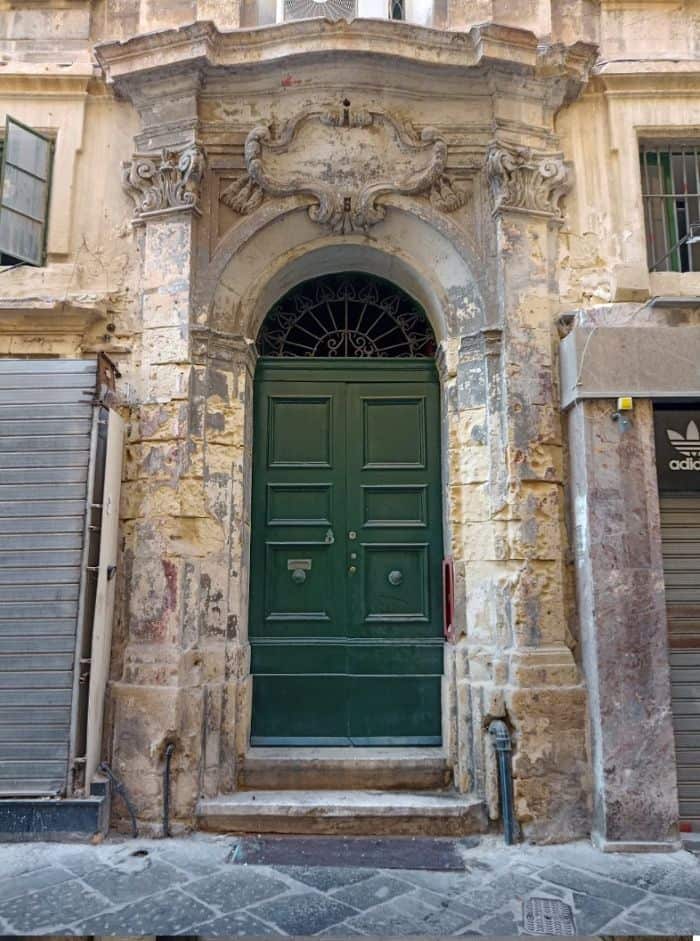
This is the one most visitors walk straight past, and I think it’s the best surprise in Valletta. Casa Rocca Piccola sits on Republic Street — you’d never guess from the outside that there’s a 400-year-old palazzo behind that door, still lived in by the family who’ve owned it since the Knights of St John built it for Don Pietro La Rocca.
What you’ll see: the Marquis de Piro is sometimes knocking about when you visit, which gives the whole thing a slightly surreal quality. This isn’t a roped-off museum with laminated signs. The rooms are furnished with the family’s actual paintings, silverware, and furniture. There are family photos on the sideboards. The 18th-century sedan chair is still sitting in the hall like someone might use it next Tuesday. I found the bedroom with the short wooden bed particularly telling — people were genuinely smaller then, and that sort of physical detail sticks with you more than any information panel.
Underground: below the house there’s a network of tunnels cut into the rock, used as bomb shelters during the war. Over a hundred people sheltered down there when the Luftwaffe hammered Valletta. The tunnels are extensive but the access is narrow and a bit claustrophobic in places, so think about whether that’s for you before you descend.
Afterwards: the guided tour is included in the entry price — tours run roughly every hour — and it’s worth doing. If you don’t fancy a guided group, an audio tour is available so you can wander at your own pace. The courtyard café Effervescence does decent coffee under the orange trees, and the ice cream comes from Fior di Latte in Mdina, which is a solid pedigree. Kiku the resident parrot may or may not talk to you depending on his mood.
One correction that comes up a lot: the vintage car in the courtyard is a Bentley, not a Rolls Royce, though it’s identical to a Silver Dawn except for the front grill. The management are very polite about this. And in the cellars there’s La Giara, a Sicilian restaurant that makes a natural lunch stop if you’re doing the walking route.
Practical details
- If you book online, there’s a one-euro booking platform surcharge — buy at the door instead
- It’s also a B&B — a handful of rooms available if you fancy sleeping in a Knight’s palazzo
- Allow 1–1.5 hours · Best for: anyone who wants something different, architecture fans, families
4. Valletta Black Friars Experience
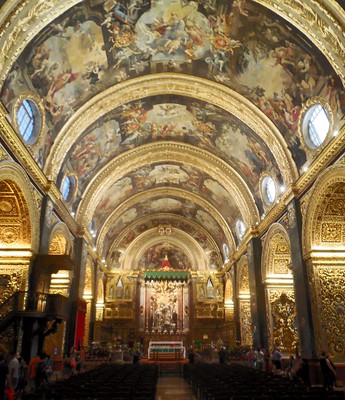
Rated 4.8 on TripAdvisor, ranked number five in Valletta, and almost nobody has heard of it. The entrance is on St Dominic Street, one block south of Republic Street between Merchant Street and Republic — easy to walk past. The sign is modest. Inside is one of the prettiest churches I’ve encountered in Malta, and I’ve been in a lot of churches.
The basilica: the Dominican Basilica of Our Lady of Porto Salvo is the centrepiece. The ceiling frescoes by Giuseppe Calì are exceptional — personifications of virtues, painted cherubs, intricately picked-out arches that look like rows of jewels.
The confraternity chapels: two sit side by side with completely different aesthetics. The Oratory of the Blessed Sacrament is austere white marble with a single dark Madonna painting. The Oratory of the Rosary is dripping Baroque gold. The contrast is deliberate and striking. During Holy Week, the Blessed Sacrament chapel sets up Last Supper displays made from edible foods — rice, nuts, fruit, bread — that are intricate and worth timing your visit for if you’re here around Easter.
The treasury: small but worth it. Beaten silver altarpieces and a 400-year-old inscribed music book that’s genuinely beautiful. Dominican friars still live on site — you can see the gates to their quarters at the end of the corridor. This is an active religious community, not a museum piece.

Practical details
- Get the €13 combined ticket with Mysterium Fidei (the Hidden Garden / St Catherine’s Monastery) — a few metres away. Friars versus nuns, public grandeur versus cloistered simplicity
- Free audio guide available in several languages via an app — ask at the desk for the QR code
- Shoulders must be covered — they’ll lend you a shawl
- One name in every review: Margaret, who works the front desk and seems to be the soul of the place
- Allow 30–90 minutes · Best for: art lovers, church architecture fans, anyone wanting a quiet escape
5. Fort St Elmo & National War Museum
This is the big one — in scale, in scope, and in time commitment. Fort St Elmo sits at the tip of the Sceberras peninsula with unobstructed views across both harbours, and the National War Museum inside it covers Malta’s entire military history from 1417 to independence. If you only have time for one museum that gives you the full sweep of Malta’s story, this is it. One critical detail: it’s closed on Tuesdays, which catches people out if they’ve only got one day in Valletta.
The galleries: arranged chronologically and numbered, with a short film introducing each era before you enter the exhibits. This self-pacing structure works well — you can go deep on the periods that interest you and skim the rest. The AV show in the Cavalier is particularly good if you’re flagging after two hours of information panels.
The WW2 rooms are the strongest. Here you’ll find:
- The actual George Cross that King George VI awarded to Malta in 1942, with his handwritten letter
- One of the original Gloster Gladiator biplanes — Faith, one of three planes (Faith, Hope, and Charity) that initially defended Malta against the Italian air force
- Uniforms, weapons, the Operation Pedestal convoy story
- A virtual gun turret experience (though the Harbour Fire Command and Gun Experience are temporarily closed at time of writing — check before you go)
Outside the museum, the fort itself is worth exploring. The Submariners’ Walkway remembers the men lost defending Malta’s waters. The casemates facing the harbour entrance give you a visceral sense of what it must have been like firing guns from those enclosed stone arches. Looking down from the upper levels, you can see the unrestored barracks within the walls — in a sad state, but they add atmosphere and scale.
Small details worth finding: the tiny Chapel of St Anne, the only surviving element from the original fort destroyed in the Great Siege of 1565. A commemorative plaque for Queen Elizabeth, who waited here watching for her husband’s ship to return. And if you’re a film trivia person: the Turkish jail scenes in Midnight Express were filmed here.
The air raid siren goes off at noon — nobody warns you about that. The In Guardia historical re-enactment parades happen monthly — check the Heritage Malta website for dates.
Practical details
- The café situation is poor — gift shop selling drinks and snacks, no seating, no proper restaurant. Bring water and food.
- Four sets of toilets exist but signage is terrible — ask at the entrance
- Pre-booking online saves nothing — you still queue at the ticket office to get your barcode scanned
- Over-60s discount: €7.50 (vs €10 standard)
- Allow 2.5–3.5 hours · Best for: military history fans, anyone wanting a Malta overview, families with older kids
6. Lascaris War Rooms
I walked past the entrance three or four times before I found it. It’s tucked below the Upper Barrakka Gardens near the bus terminus, and the signage does its best to keep the place a secret. There are two routes in: the main entrance involves around 450 steps down; the alternative route from the bus station area is shorter and gentler. Ask when you buy your ticket. You can also buy tickets at the Saluting Battery entrance above, which is less crowded.
What it is: the actual underground complex where the defence of Malta was coordinated during the Second World War — plotting rooms, operations tables, the lot. In July 1943, Eisenhower, Montgomery, Alexander, and the rest of the Allied brass ran the invasion of Sicily (Operation Husky) from these tunnels. The rooms stayed in military use under NATO until 1977, which most people don’t realise.
The guided tour is where this place comes alive. The self-guided exhibits are dense — old-school information panels, no touchscreens. There are short films you can watch before the main tour that add useful context — worth the ten minutes. But the real experience is the tour itself, included in the €20 ticket price. Only three tours run per day, so check times and book online if you can.
The guides: three names dominate the reviews for good reason. Pierina tells the story of wartime Malta like she lived it — funny, sharp, completely off-script, with personal stories about the people who worked and sheltered down here. Mike, an ex-RAF guide, knows the operational detail cold and can convert miles to kilometres mid-sentence for continental visitors. Luke brings a quiet passion and takes his time, which suits smaller groups. Budget 90 minutes for the tour and at least another hour for the exhibits and the Operation Husky section.
If you want more, there’s a separate St Peter’s Galleries / WW2 tunnels tour — Pierina sometimes does both back-to-back. Ask at the desk about scheduling.
What nobody tells you in advance
- You wear a hairnet and hard hat for the entire tunnel tour
- No drinks sold inside — bring water, though they’d rather not see it
- Wifi is non-existent (it’s a bunker) — download any audio guides before you descend
- Free lockers behind reception for bags
- Toilets exist but are hidden at the far end of the entrance tunnel, and they’re not great — go before
- Warmer and more humid than you’d expect in summer; deep sections get chilly in winter — bring a layer
- Stone paving is slippery — proper shoes, not flip-flops
- No wheelchair access and limited seating on the tour — you need to stand for the duration
Pro tips
When you’re done, ask the guide about the coach station exit. It’s a much easier climb back up than the way you came in.
The Heritage Pass covers seven WW2 museums and saves serious money if you’re doing more than two.
Consider skipping the self-guided war rooms and just doing the HQ Tunnels guided tour — you see into the war rooms during it anyway and get far more out of the experience.
Allow: 2–3 hours · Best for: WW2 history fans, anyone who wants the most atmospheric experience in Valletta
7. Saluting Battery
The Saluting Battery sits right above the Lascaris War Rooms on the eastern ramparts, and it’s the best-value thing you’ll do in Malta. Three euros gets you onto the battery platform for the cannon firing — noon and 4pm daily except Sunday. You can watch for free from the Upper Barrakka Gardens above, but you’ll be fighting for a spot at the railing with two hundred other people and you won’t feel the shockwave or smell the gunpowder. Pay the three quid. Get down there.
The guides: the whole operation is run by a heritage charity staffed by volunteers in period uniform who actually care about what they’re doing. After the firing, one of them gives a walkthrough of the battery and its history — usually 40 to 45 minutes. Simon (Swedish, knows an alarming amount about Maltese artillery), Luken, Jordan, and Kyle all get mentioned by name in reviews. They answer questions properly and don’t recite scripts.
The Time-Gun Museum: for six euros you get the museum as well, which adds context on how the battery was used to signal the time across the harbour before radio existed. Small but well laid out. The views of the Grand Harbour from the platform are the best in Valletta — better than from the gardens above, because you’re at gun level looking straight across the water to Birgu and Senglea.
One gripe: there’s no shade. In summer, the stone radiates heat and your phone will overheat. In winter, it’s exposed to the wind off the harbour. Either way, it’s a short visit — under an hour. Pair it with the Lascaris War Rooms below and you’ve got a solid morning of military history for under €25.
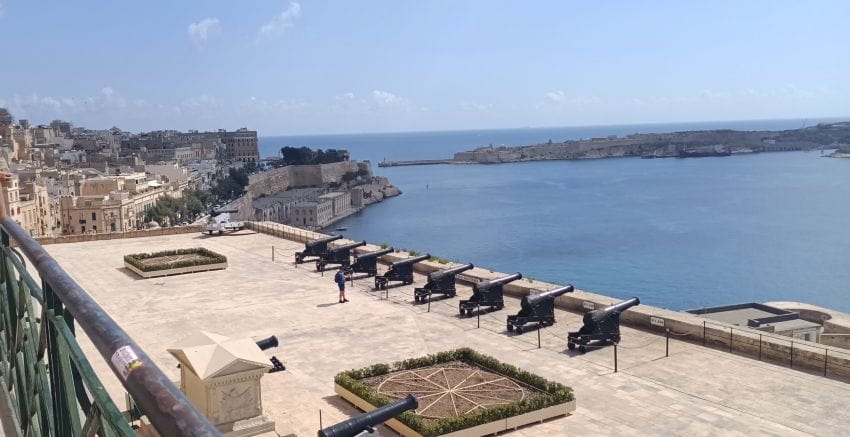
Allow: 45–60 minutes · Best for: everyone, including kids — it’s a cannon. Three euros.
Valletta Museums with Kids — The Shorter Route
The full walking route is a hard day for adults. With kids, don’t even try. Here’s the stripped-back version — four stops, about three hours including breaks, designed to hold attention without causing a meltdown. (For more on visiting Malta with a family on a budget, I’ve covered that separately.)
On mobile, swipe left to see full table details.
| Order | Stop | Why Kids Like It | Time | Cost |
|---|---|---|---|---|
| 1 | Saluting Battery | A real cannon fires. Loud bang, smoke, shockwave. Kids go wild. | 45 min | €3 |
| 2 | Casa Rocca Piccola | Kiku the talking parrot. Bomb shelter tunnels. A real Bentley. | 45 min | €12 |
| 3 | Archaeology Museum | Compact — won’t exhaust them. Skulls, Fat Ladies, mystery cart ruts. | 45 min | €5 |
| 4 | Fort St Elmo (ages 8+) | Cannons outside, knight statues, AV shows, harbour views. Virtual gun turret. | 1.5 hrs | €10 |
Start with the cannon. Everything after that is a bonus. If attention is fading after two stops, bail to the Upper Barrakka Gardens — the lift down to the waterfront is right there, and the ferry across to the Three Cities is an adventure in itself.
What to skip with young kids: the Lascaris War Rooms (90 minutes standing, no seating, hairnets) and the Grand Master’s Palace (no touching, no audio guide, too many “don’t touch” moments).
Prices, Hours & Booking Links
Prices verified March 2026. Check venue websites for seasonal changes. On mobile, swipe left to see full table details.
| Museum | Adult | Senior (60+) | Hours | Closed | Book |
|---|---|---|---|---|---|
| Museum of Archaeology | €5 | €3.50 | 09:00–19:00 | Holidays | Heritage Malta |
| Grand Master’s Palace | €12–15 | €10 | 10:00–18:00 | Holidays | Heritage Malta |
| Casa Rocca Piccola | €12 | €12 | 10:00–17:00 | Sundays | casaroccapiccola.com |
| Black Friars Experience | €8 (€13 combo) | €8 | 10:00–16:30* | Wed–Fri closes 12:30 | mysteriumfidei.mt |
| Fort St Elmo / War Museum | €10 | €7.50 | 09:00–17:00 | Tuesdays | Heritage Malta |
| Lascaris War Rooms | €20 | €19 | 10:00–16:30 | Sundays | lascariswarrooms.com |
| Saluting Battery | €3 (€6 with museum) | €3 | Firing 12:00 & 16:00 | Sundays | salutingbattery.com |
SAVE MONEY
- Heritage Malta Multisite Pass — covers Fort St Elmo, Archaeology Museum, Grand Master’s Palace, and several sites outside Valletta (Ħagar Qim, Tarxien, etc.). Significant discount if you’re doing three or more.
- Lascaris Heritage Pass — covers seven WW2-related museums.
- Black Friars + Mysterium Fidei combo — €13 saves €3 over buying separately.
- Casa Rocca Piccola and the Saluting Battery are independent — buy at the door.
Done with Museums — What Next?
If you’ve walked the route and still have legs, here’s what’s within easy reach of where you’ll finish at Upper Barrakka.
- Ferry to the Three Cities — The Barrakka Lift drops you straight to the waterfront. A two-minute ferry ride takes you to Birgu (Vittoriosa), which has the Inquisitor’s Palace, the Maritime Museum, and Fort St Angelo. Completely different atmosphere to Valletta — quieter, rawer, less touristy.
- St John’s Co-Cathedral — If you skipped it on the walk down, double back. Built by the Knights in the 16th century, the exterior is deliberately plain — the interior is a Baroque explosion. Eight chapels, each reflecting a different national Langue of the Knights. Overhead paintings by Mattia Preti depict the life of Saint John the Baptist. Caravaggio’s Beheading of St John the Baptist is here, the only work he ever signed. Budget an hour minimum. Book ahead in summer.
- MUŻA (National Art Museum) — At the Auberge d’Italie on Merchants Street. The old National Museum of Fine Arts, reopened after a major refit in a new location. The building was originally one of the Knights’ residences, and the collection includes Maltese silverware, furniture, and bronze and wooden statues. Less crowded than the big-name sites.
- Underground Valletta tour by Heritage Malta — a separate guided experience through tunnels that aren’t covered by Lascaris. Much more impressive in real life than photos suggest — the tree roots pushing through the rock, the smell, the lighting. Worth asking about at Heritage Malta’s ticket desk.
- Strait Street — Valletta’s old red-light district, reinvented with bars, restaurants, and live music venues. Good for an evening wander.
- Manoel Theatre — One of the oldest working theatres in Europe. Guided tours run during the day. Check the programme if you’re staying for the evening.
- Hastings Gardens — If you just want to sit. On the Marsamxett side near City Gate. Quieter than Barrakka, better shade, sunset views over Sliema. Good place to decompress before the bus home.

And when you’re done, you’ll probably end up back at Upper Barrakka. From there the Barrakka Lift takes you straight down to sea level — and to the ferry across to the Three Cities if you’re still going.

Frequently Asked Questions
How many museums can I realistically do in one day in Valletta?
Three to four comfortably. If you start at 9:30am and end at 5pm, you can fit the Archaeology Museum, Casa Rocca Piccola, the Lascaris War Rooms, and the Saluting Battery with a lunch break. Fort St Elmo alone takes half a day. Trying to do all seven in one visit is technically possible but exhausting — split it over two days.
Which Valletta museum is best for kids?
The Saluting Battery — it’s a real cannon, three euros, and the bang is spectacular. Fort St Elmo works for older kids (8+) who can handle reading panels and long walks. Casa Rocca Piccola has the parrot. The Archaeology Museum is compact enough that younger children won’t lose patience. The Lascaris War Rooms require standing for 90 minutes with no seating — hard for small children.
Are Valletta’s museums wheelchair accessible?
Fort St Elmo and the Grand Master’s Palace have lifts and are mostly accessible. The Archaeology Museum has a lift to the upper floor. Casa Rocca Piccola’s bomb shelter is not accessible. The Lascaris War Rooms involve 450 steps and narrow tunnels — not accessible at all. The Saluting Battery requires steps down to the platform. Ask at each venue about specific access before buying tickets.
What is the best time to visit Valletta’s museums?
Early morning, especially in summer. Most open at 9am or 10am. Cruise ship crowds hit Republic Street between 10am and 2pm. The Lascaris War Rooms are underground and cooler for hot days. Fort St Elmo is exposed — bring sunscreen and a hat in summer, a windbreaker in winter.
Can I pay cash at Valletta museums?
Increasingly, no. The Grand Master’s Palace and Lascaris War Rooms are card only. Fort St Elmo takes cards. Casa Rocca Piccola and the Saluting Battery take both. Bring a card — Malta is moving away from cash at cultural sites faster than you’d expect.
Is the Lascaris War Rooms guided tour worth it?
Absolutely, and it’s included in your ticket. The self-guided exhibits are dense but static. The guided tour brings the operations rooms to life with demonstrations of how the plotting tables worked, personal stories, and context you won’t get from panels. Time your visit around one of the three daily tours. If you can only do one guided experience in Valletta, make it this one.
Where should I eat between museums?
Caffè Cordina on Republic Square for pastizzi and espresso — a Valletta institution since 1837. La Giara in the cellars of Casa Rocca Piccola for a proper Sicilian lunch. Effervescence in the Casa Rocca Piccola courtyard for coffee and ice cream from Fior di Latte in Mdina. For dinner after the route, try Strait Street — the old red-light district reinvented as Valletta’s bar and restaurant strip.
Is there a combined ticket or discount pass?
Heritage Malta’s Multisite Pass covers Fort St Elmo, the Archaeology Museum, the Grand Master’s Palace, and sites outside Valletta at a significant discount. The Lascaris Heritage Pass covers seven WW2 museums. The Black Friars + Mysterium Fidei combo ticket is €13 (saves €3). Casa Rocca Piccola and the Saluting Battery are independently run — buy at the door.
Last updated: March 2026.
Stay in Gżira near the promenade
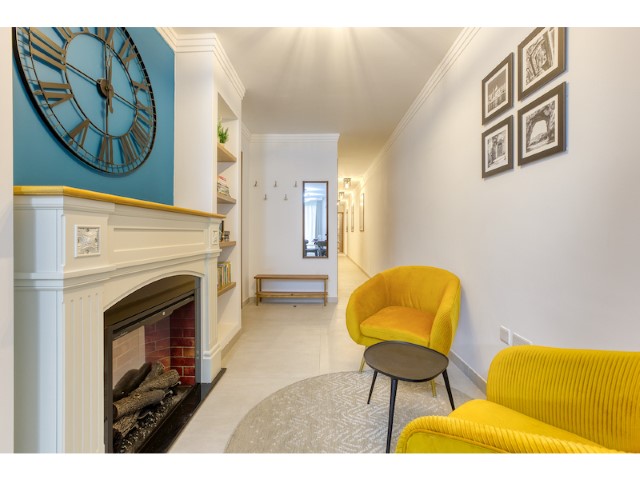
A designer 2-bedroom apartment in Gżira, close to the church, around 2 minutes from the promenade, and near Manoel Island.
View on Airbnb