
TL;DR — THE 30-SECOND VERSION
What freediving actually is, how it compares to scuba and snorkelling, and whether Malta is the right place to try it.
✓ Best time to go: September — warm sea, cooler air, fewer tourists
✓ How long you need: 7 days to combine a course with sightseeing
✓ No experience needed: beginner courses start from zero
✓ Why Malta: shore-access wrecks, caves, clear water, almost no current
✓ Who we spoke to: David Watson, Malta’s first freediving instructor (est. 2012)
✓ Best for: people who want a holiday that doesn’t look like everyone else’s Instagram
JUMP TO
What is freediving? · How it compares · Interview: David Watson · 7-day itinerary · FAQ: Is this for me?
What Is Freediving?
You take a single breath, go under the surface, and see what’s there. No scuba tank on your back, no regulator clamped in your mouth. Freediving is the stripped-back version of being in the water — your body, your breath, whatever is below you, and not much else.
It sounds extreme, and at the competitive end it is — people descend to depths that don’t seem physically possible. But most people who take a course aren’t doing that. The training is mostly about relaxation, breathing technique, and getting properly comfortable underwater. It’s slower than you’d expect. If you’ve ever floated on your back in the sea and thought “this is nice”, a freediving course is what comes after that thought.
Malta is a good place to try it, partly because the water is very clear and there’s almost no current at most sites, but also because you can reach shipwrecks and underwater caves on a single breath from the shore. You don’t need a boat, which keeps costs down and means you’re in the water faster.
Swimming vs Snorkelling vs Freediving vs Scuba
People sometimes ask where freediving sits relative to the other things you can do in the sea. The table below lays it out, but the short version is: snorkelling keeps you on the surface, scuba lets you stay down with a tank, and freediving is somewhere in between — you go down on one breath, no gear beyond a mask and fins.
| Activity | Depth | Gear | Training | Noise | Best for |
|---|---|---|---|---|---|
| Swimming | Surface | None | Basic ability | Quiet | Exercise, cooling off |
| Snorkelling | Surface | Mask, snorkel, fins | None | Quiet | Reefs, shallow bays, families |
| Freediving | 5–20m+ (one breath) | Mask, long fins, wetsuit | 2–3 day course | Silent | Wrecks, caves, wildlife up close |
| Scuba | 12–40m+ (tank) | Full rig (15–25 kg) | 3–5 day cert | Loud (bubbles) | Long bottom time, deep wrecks |
Interview: David Watson — One Breath Freediving
David Watson set up One Breath Freediving in 2012, when almost nobody in Malta was teaching the sport. He was the island’s first dedicated freediving instructor. He’s an AIDA International Instructor Trainer, sits on the AIDA Education Committee, and splits his time between Malta, Dahab in Egypt, and the UK. We asked him five questions.
How has Malta developed as a freediving destination?
David Watson: Malta has always appealed to me as an ideal destination for freediving and specifically for the more ‘recreational’ aspects such as exploring and fun freediving. This is primarily due to the abundance of shipwrecks that are accessible from shore and the stunning rock formations and underwater caves and caverns that are within reach for breath-hold divers.
Your school is known for small groups. What difference does that make?
David Watson: Small and personalised groups mean more individual attention, more time underwater and most importantly, optimal safety. This can mean more time practising under expert guidance and the watchful eye of a highly experienced instructor with 14 years’ teaching experience. As the sport grows bigger, attention to detail and continuity of learning can be lost. I offer a specific teaching philosophy — which has proven extremely effective — and the kind of attention to detail combined with experience which is not found at other schools or with other instructors.
How beginner-friendly is Malta?
David Watson: Malta offers great visibility in the water with few currents and dive sites extremely close to shore. This makes it ideal for beginners wanting to learn to freedive. Plus, the chance to see a wreck underneath you while you learn is something available in very few other locations around the world. The clarity of water is what often stands out to first-time freedivers visiting the Maltese Islands.
What should travellers know about timing?
David Watson: I now conduct exclusive two-week expeditions to Malta and Gozo at the best time of the year — which is September. The sea is still beautifully warm, the air temperature is not oppressive, and the islands are not too busy with other tourists. Malta is a short flight from all of Europe with direct flights from numerous countries. I find a one-week trip is perfect to freedive and also see some other sights and history that the islands offer.
Who gets the most from training with you?
David Watson: One Breath Freediving was established by myself in 2012, back when freediving was a comparatively little-known activity. As Malta’s first dedicated freediving instructor and physical freediving centre, I led the way in providing high-quality freediving education on the islands. Now I split time between Dahab in Egypt, the UK and Malta, teaching courses and leading expeditions. I am an AIDA International Freediving Instructor Trainer, member of the AIDA Education Committee and freediving coach for numerous athletes.
People who appreciate a calm and patient approach and small groups with individual attention would enjoy learning freediving with me — and my loyal returning customer base and high ratio of personal recommendations is a testament to this.
onebreathfreediving.com
Sample 7-Day Itinerary
David reckons a week is the sweet spot — enough time to do the freediving course and still see other parts of Malta without rushing. Here’s one way to structure it. The freediving occupies two days. We’ve filled the rest with snorkelling, a scuba taster, and a flex day, but you could easily swap things around depending on weather or how your legs feel.
| Day | Focus | What you’ll do |
|---|---|---|
| 1 | Arrive | Walk around Valletta, eat pastizzi, early night — your breathing matters tomorrow |
| 2 | Freediving Day 1 | Theory, breathing exercises, first in-water training on technique and equalisation |
| 3 | Freediving Day 2 | Open water — practise near actual wrecks and rock formations from the shore |
| 4 | Gozo snorkelling | Ferry to Gozo. Inland Sea near Dwejra, caves at Xlendi, Hondoq Bay. You’ll notice your breath-hold is already better than it was on Day 1 |
| 5 | Try scuba | Half-day PADI Discover Scuba Diving taster (no cert needed, around €60–90). Interesting to compare it with freediving while both are fresh |
| 6 | Flex day | Another freedive at a different site, or skip the water entirely — Hypogeum, Three Cities, Mdina. Depends how sunburnt you are |
| 7 | Last morning, then home | Morning snorkel if your flight is late enough. Final ftira. Airport |
FAQ — Is This For Me?
Who is freediving good for?
Anyone who’s comfortable in the sea and wonders what’s down there. People who do yoga or meditation often pick it up fast because the breathing and relaxation crossover is big. Also good for snorkellers who’ve always wanted to go a bit deeper rather than just floating on top.
Who should probably skip it?
If you’re properly anxious in open water — not just a bit nervous, that’s normal — talk to the instructor first. Same if you have uncontrolled asthma, heart problems, or a perforated eardrum: see a doctor before booking. And if what you really want is adrenaline and speed, this isn’t it. Freediving is slow on purpose.
Do I need any experience?
No. The beginner course assumes nothing. You need to be able to swim and tread water, but that’s the bar.
How fit do I need to be?
Not very. It’s more about being relaxed in the water than being strong. If you can swim a few lengths of a pool without stopping, that’s enough. A lot of people find the course itself makes them more confident in the water generally.
Is it safe?
With a qualified instructor, yes. That’s actually the main reason to do a proper course rather than just holding your breath and seeing what happens. David keeps his groups small specifically so he can watch everyone properly. You’ll learn buddy systems and rescue drills too, which is useful knowledge even when you’re just snorkelling on holiday.
How deep will I actually go?
Beginner courses typically work between 5 and 20 metres, depending on the cert level. But honestly, a lot of the interesting stuff in Malta is shallow — swimming horizontally through swim-throughs and along reef walls at 8 or 10 metres. Depth gets too much attention. The exploring is the point.
What gear do I need to bring?
A mask that fits your face well, a snorkel, and freediving fins (which are longer and softer than scuba fins). Most schools lend you everything for the course. If you already own a mask you trust, bring it — a bad seal ruins your day more than anything else.
Can I fit this into a normal Malta holiday?
Yes, easily. The course itself is 2–3 days. The rest of your week is open. Malta is small enough that you’re never far from anything, so you don’t lose half a day in transit between activities.
Last updated: March 2026.
Stay in Gżira near the promenade
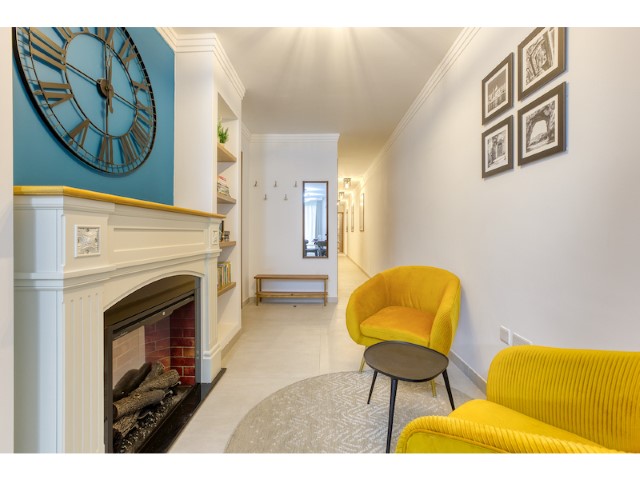
A designer 2-bedroom apartment in Gżira, close to the church, around 2 minutes from the promenade, and near Manoel Island.
View on Airbnb