

A conversation with the founder of Eco Market about sustainability, local makers, and why Eco Pjazza feels different from the usual tourist shopping experience in Valletta.
TL;DR — THE 30-SECOND VERSION
Eco Pjazza is more than a market. Founded by Zen D’Amato Gautam as part of the wider Eco Market project, it brings local makers, sustainable brands, and conscious shopping into one of Valletta’s loveliest squares. For visitors, it offers something rare in Malta’s capital: souvenirs and gifts with real local stories behind them, not just generic imports.
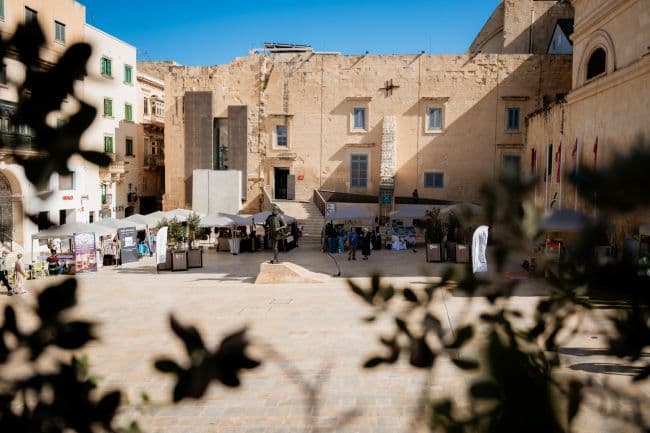
Set against the quiet charm of Jean de la Vallette Square, Eco Pjazza feels like the kind of Valletta discovery travellers hope to stumble across: local, intimate, and genuinely connected to the people making things around them.
Behind it is Zen D’Amato Gautam, founder and director of Eco Market, a platform that has been supporting Malta’s sustainable small business community since 2019. What began as a mission to give local eco-conscious makers a space to be seen has grown into a wider programme of events across Malta, with Eco Pjazza standing out as one of its most charming expressions.
For visitors wandering Valletta in March, this matters. So many arrive in the capital looking for something meaningful to take home and end up surrounded by the usual mass-produced souvenirs. Eco Pjazza offers a completely different rhythm: slower, friendlier, and rooted in Maltese creativity.
How Eco Pjazza Began
Zen describes Eco Pjazza as more than a marketplace. It is a space where sustainability, craftsmanship, and community meet in a way that feels welcoming rather than preachy.
The wider Eco Market project was built to champion local artisans, craftspeople, and independent brands, many of them female-led, and to create regular opportunities for them to connect directly with shoppers. Eco Pjazza carries that vision into Valletta in a form that feels elegant, accessible, and very human.
At its core, the idea is simple: make it easier, and more enjoyable, for people to buy local. Not out of guilt, but because the work itself is beautiful, thoughtful, and worth choosing.
What Visitors Can Expect
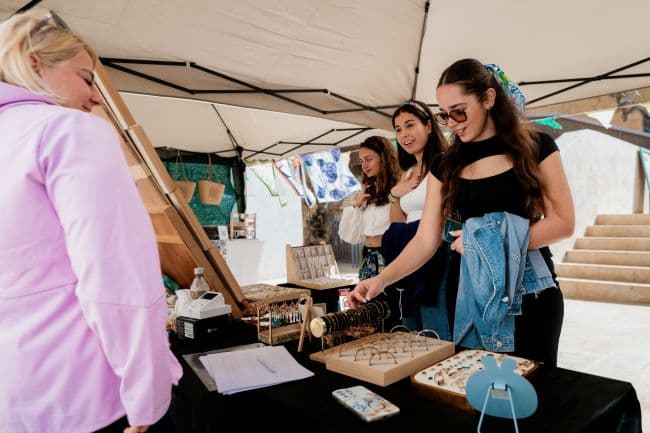
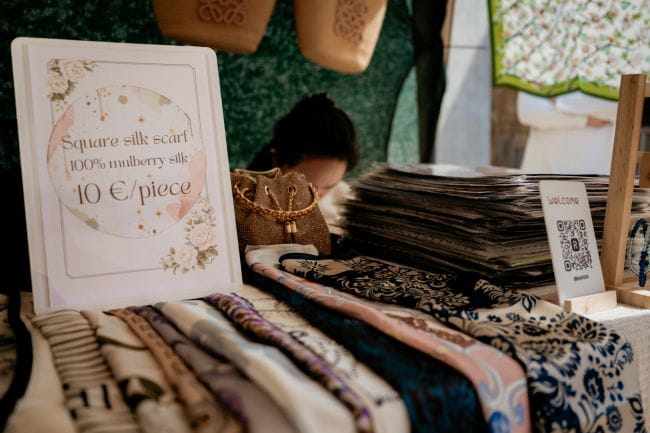
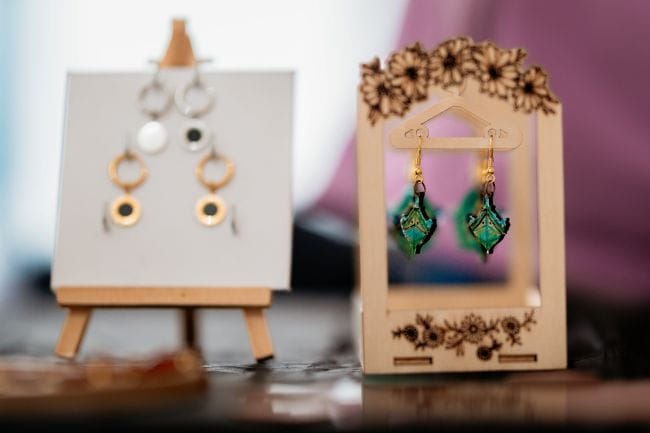
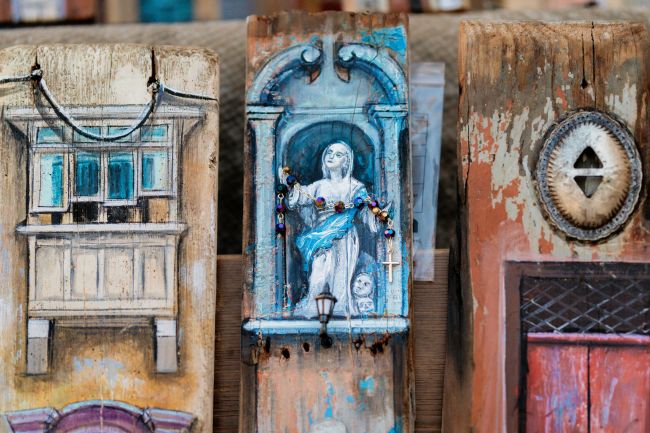
This March, visitors can expect a carefully curated mix of sustainable fashion, ethical jewellery, artisan food and desserts, homemade herbal drinks, fine art inspired by Malta, handmade home décor, natural candles, cruelty-free beauty and wellness products, slow-fashion accessories, and original souvenirs made locally.
What makes the market appealing is not just the range, but the feeling behind it. These are not anonymous products shipped in from elsewhere. They are objects shaped by real hands, by small brands and makers who care about materials, presentation, and the stories behind what they create.
In other words, it is the sort of place where a purchase actually feels like a discovery.
What Tends to Surprise First-Time Visitors
According to Zen, first-time visitors are often struck by the market’s fully plastic-free ethos. That commitment gives Eco Pjazza a sense of coherence that goes beyond branding. Sustainability is not just part of the messaging; it shapes the atmosphere and the choices on display.
People are also surprised by how original everything feels. Instead of the usual tourist-shop sameness, they find carefully made pieces with character, stories, and a clear sense of origin. You can browse slowly, speak to the vendors directly, and come away understanding who made something and why.
That makes Eco Pjazza feel less like a transaction and more like a small encounter with local life.
What It Means to Run a Sustainable Market in Valletta
Running a sustainable market in Valletta, Zen says, is both a privilege and a responsibility. The work goes beyond selling products. It is also about helping build a culture of conscious consumerism: one where people pause, reflect, and choose quality over convenience.
In a city like Valletta, where heritage, tourism, and public space all overlap, that matters. Supporting local artisans is not just an economic act. It is also a vote for community, craft, and a slower kind of value in a world dominated by fast trends and disposable goods.
Eco Pjazza’s strength is that it communicates all of this without becoming heavy-handed. It remains inviting, stylish, and easy to enjoy, even for someone who simply wandered into the square by chance.
The Moment She Knew It Was Working
I asked Zen what made her feel Eco Market was truly changing something, beyond putting on attractive events.
“From our very first event in 2019, it was clear there was an enormous appetite for a space like this, where sustainability wasn’t just a buzzword but a shared passion.”
“But the moment that truly hit home for me came a couple of years in, during one of our bustling market days. A young vendor, a female artisan who’d started her eco-friendly candle business from her kitchen table, pulled me aside with tears in her eyes. She’d just sold out her entire stock for the first time, and she shared how Eco Market had given her the confidence to quit her day job and go full-time.”
That story says a lot about why Eco Market has built loyalty among both vendors and visitors. It is not just creating pleasant weekends. It is helping small businesses become viable, visible, and sustainable in the real sense of the word.
Zen’s Message to First-Time Visitors
If she could say one thing directly to a tourist standing in Eco Pjazza for the first time, wondering whether to buy something, Zen’s answer is warm and direct:
“Go ahead and treat yourself; that piece you’re eyeing isn’t just a souvenir; it’s a story of Maltese creativity and care that supports our local artisans and a greener future for our planet and our children.”
That is really the heart of Eco Pjazza. It is not trying to overwhelm you. It is inviting you to choose differently.
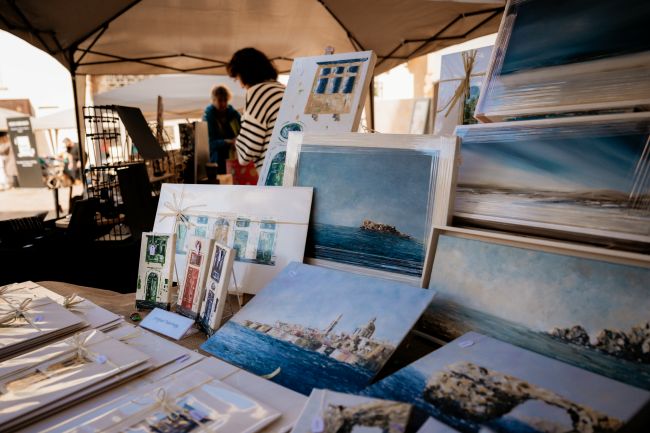
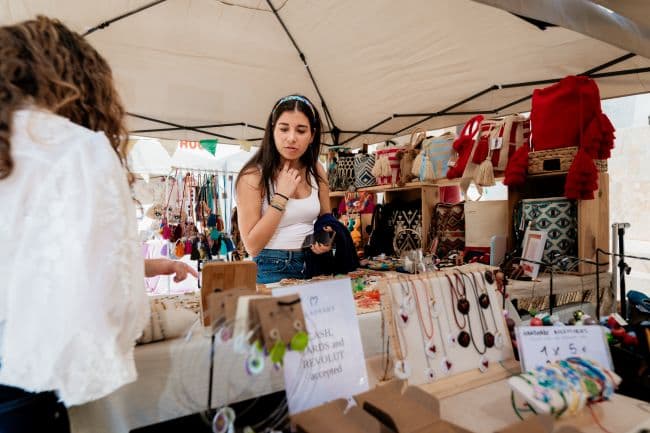
Some of the many different eco products on sale
Why It Deserves a Place on Your Valletta Day
If you are planning a day in Valletta this March, Eco Pjazza works especially well as part of a slower itinerary: a morning walk through the capital, time for coffee, a browse through the square, and perhaps lunch somewhere tucked between the city’s stone lanes.
If you want to build that into a fuller trip, you might also like my Valletta self-guided tour, this broader guide to Malta in March 2026, and my practical breakdown of where to stay in Malta.
Eco Pjazza is one of those small Valletta experiences that tends to stay with people. Not because it is loud, but because it feels real.