
Is Malta a Country? Yes — and Here Is Why People Get Confused
Yes. Malta is a sovereign country in the Mediterranean. It is not part of Italy, and it is one of Europe’s smallest independent states.
The short answer is simple. The reason people still ask is that Malta is small, sits just south of Sicily, shares some visible Mediterranean overlap with Italy, and has the same name for both the country and its largest island.
| Status | Independent country |
| Official name | Republic of Malta |
| Capital | Valletta |
| Region | Southern Europe / central Mediterranean |
| Official languages | Maltese and English |
| Main islands | Malta, Gozo, and Comino |
| Independence | 1964 |
| Republic | 1974 |
Why people get confused
Malta is close to Sicily, many visitors first encounter it through Italian travel routes, and its architecture, religion, and food show obvious Mediterranean overlap. That leads some people to assume it must be part of Italy. It is not. Malta has its own state, its own official languages, and its own historical path.
Another source of confusion is scale. Malta is small enough that many people think of it as a city, a province, or just a holiday island. In reality, it is a fully independent country made up of several islands.
If you want a broader primer first, this guide to where Malta is and these fascinating facts about Malta help place the islands in context.
Why Malta Is Clearly a Country
Malta is not just an island people holiday on. It is a sovereign state with its own parliament, laws, national symbols, official languages, and diplomatic presence. It became independent from Britain in 1964, later became a republic, and now sits firmly within the European political and economic landscape.
That distinction matters. Some places are islands, some are regions, and some are countries. Malta is an island, an archipelago, and an independent nation.
A Slice of Maltese History
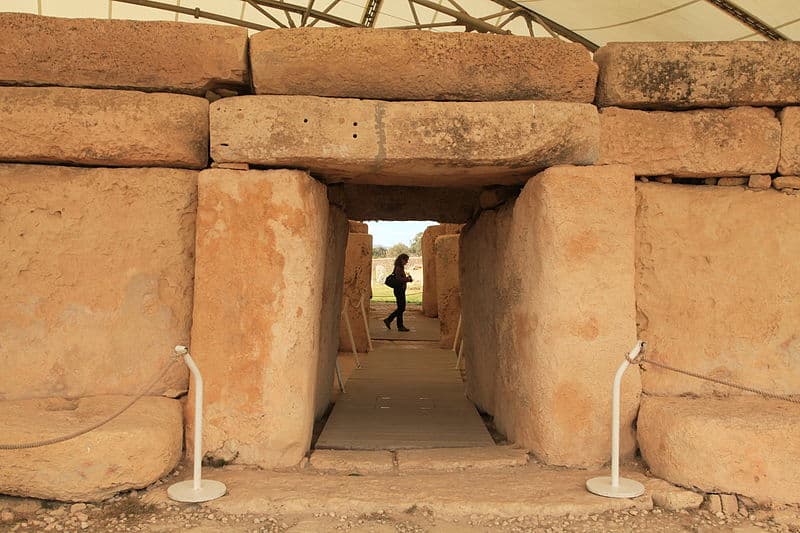
Malta’s story starts thousands of years ago. The islands were settled in prehistory, and they later became home to temple builders whose megalithic sites are still among the most remarkable on earth. The temples of Malta are one of the strongest reminders that this is not some minor footnote of Mediterranean history.
Over time, the islands passed through the hands of the Phoenicians, Romans, Arabs, Normans, the Knights of St John, the French, and the British. That is one reason Malta feels historically dense for such a small place. Each period left something behind.
World War II is another key chapter. Malta suffered intense bombing because of its strategic position, yet it held out. The collective bravery of the Maltese people earned the George Cross, which still appears on the national flag.
Modern statehood came later. Malta became independent in 1964 and went on to build its own path as a small but internationally connected country.
Is Malta in Europe?
Yes. Malta is in Europe, both geographically and politically. It sits in the central Mediterranean, south of Sicily and north of North Africa, and it is one of the smallest countries in the European Union.
That mix sometimes surprises people. Malta feels Mediterranean first, but it is also unmistakably European in law, infrastructure, education, and travel connections. It is one of those places where the crossroads are part of the identity.
What Islands Make Up Malta?
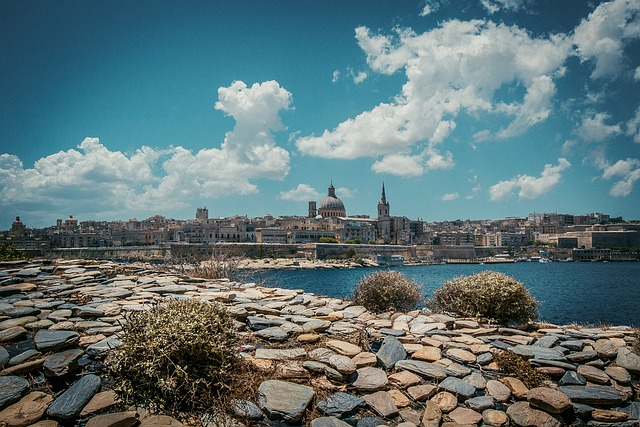
Malta is an archipelago, not a single island. The three main islands are Malta, Gozo, and Comino.
The island called Malta is the largest and most built up. It is where you will find Valletta, the main airport, many of the major towns, and most first-time visitor itineraries.
Gozo is smaller, greener, and usually calmer. It is often the island people choose when they want a slower pace, more rural scenery, and easier access to countryside walks and diving spots. If that sounds like your pace, this Malta diving guide is a useful next step.
Comino is tiny and best known for the Blue Lagoon. Most visitors experience it as a day trip rather than a base.
The Maltese Melting Pot
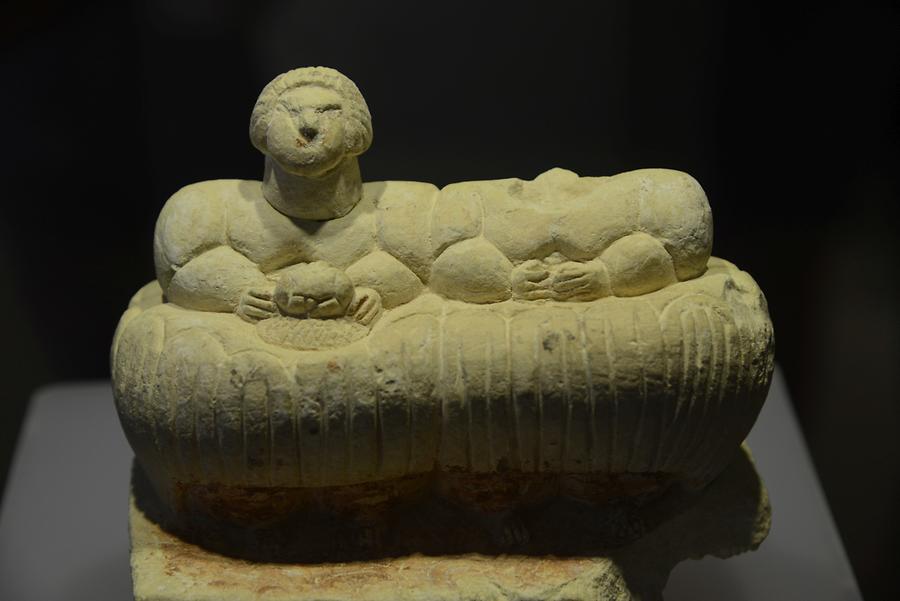
Malta stands out because several historical and cultural layers sit side by side in a very small space.
You will find ancient temples, Baroque churches, British-era traces, fishing traditions, modern apartment blocks, yacht marinas, village festas, and a language unlike any other in Europe. Malta’s artistic and religious legacy is part of that mix too.
Maltese is especially distinctive. It is a Semitic language written in Latin script, shaped by centuries of contact with Italian, Sicilian, and English. English is also widely spoken, which makes Malta an easy destination for many travelers even when the culture itself feels unusual and specific.
Then there is the food. Maltese cuisine is Mediterranean in spirit but local in detail, with pastizzi, rabbit, seafood, ftira, and a blend of influences that reflect the islands’ history better than any classroom summary ever could.
Why Malta Matters More Than Its Size Suggests
Malta is tiny, but it has never been irrelevant. Its position in the Mediterranean made it strategically valuable for centuries, which is why so many powers fought over it, fortified it, and left something behind.
Even today, Malta manages to have a profile bigger than you might expect. It draws language students, history lovers, divers, film productions, remote workers, and short-break visitors looking for sun, culture, and sea views in a compact package.
The simplest way to put it is this: Malta is a small country with a surprisingly deep historical and cultural record.
Where to Stay: Practical Bases for a First Trip
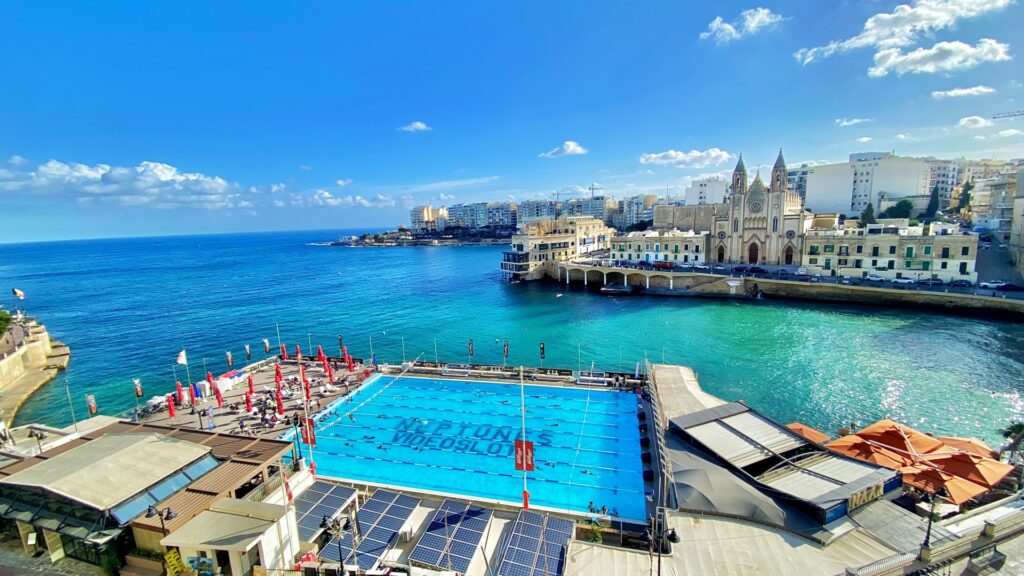
If you are planning a first stay, Sliema and Gżira are both practical bases because they keep you connected to ferries, buses, waterfront walks, restaurants, and fast access to Valletta.
Sliema is busier and more commercial. Gżira is also central, with strong harbour views and easy links to the same core sights. If you are comparing bases, this guide on where to stay in Malta goes deeper.
The key point is simple: you do not need to stay in the capital to explore Malta well. A smart central base often makes the whole trip easier.
The Final Verdict
Yes, Malta is a country. It is an independent European state made up of a small group of Mediterranean islands with a history that is far bigger than its size suggests.
It is not part of Italy. It is not just a holiday island. And it is not one of those places that only becomes interesting once you arrive. Even on paper, Malta is unusually rich in language, history, religion, architecture, and strategic significance.
If this question led you here because you are thinking about visiting, start with a self-guided Malta tour, browse these family-friendly Malta ideas, or look at this guide for couples visiting Malta. Malta may be small, but it gives you a lot to work with.
Quick FAQ
Is Malta a sovereign country?
Yes. Malta is an independent sovereign state.
Is Malta part of Italy?
No. Malta is a separate country located south of Sicily.
Is Malta in Europe?
Yes. Malta is a European country and a member of the European Union.
What islands are part of Malta?
The three main islands are Malta, Gozo, and Comino.
Stay in Gżira near the promenade
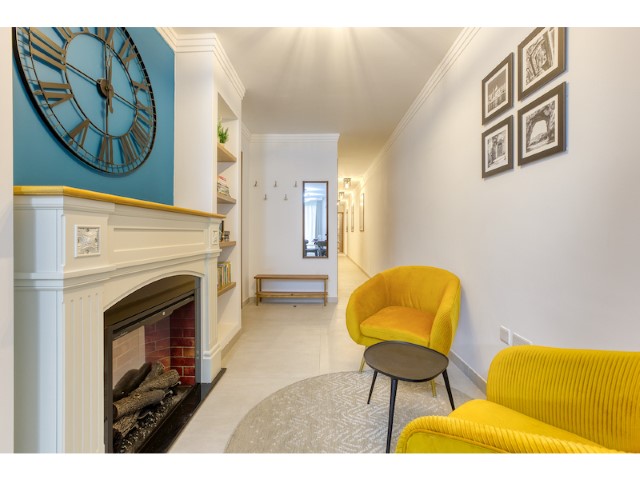
A designer 2-bedroom apartment in Gżira, close to the church, around 2 minutes from the promenade, and near Manoel Island.
View on Airbnb