
25 Interesting Facts About Malta That Are Actually Useful
A lot of “facts about Malta” articles feel padded. They repeat the same few points, add a dramatic line every other paragraph, and end up sounding like they were written for a search engine more than for a person.
So here is a cleaner version. These are the facts that genuinely help explain Malta as a place, not just as a sunny dot on a map.
History and identity
- Malta is an archipelago, not just one island. The three inhabited islands are Malta, Gozo, and Comino. Most visitors spend nearly all their time on the main island, sometimes with a day trip to Gozo or Comino.
- It is very small. Malta’s total land area is about 316 square kilometres. On paper that sounds tiny, and it is, but the islands still manage to fit in an unusual amount of history, traffic, churches, apartment blocks, and coastline.
- The name may be linked to honey. A common explanation is that “Malta” comes from the Greek word meli, meaning honey. That idea has stuck for a long time, partly because Malta did have a reputation for honey and bees.
- The prehistoric temples are older than the pyramids. This is one of the best-known Malta facts, but it is worth keeping because it really is remarkable. The megalithic temples are among the oldest free-standing structures in the world.
- Valletta is small but dense. It is one of the smallest capitals in Europe by population, yet it feels visually rich because so much is packed into a tight space: steep streets, bastions, churches, palaces, steps, and harbour views.
- Valletta was planned after a war. The city was laid out after the Great Siege of 1565. That is why the street pattern often feels more orderly than in older towns that grew bit by bit over many centuries.
- Malta received the George Cross during World War II. The award was given collectively to the island for bravery. It still matters in national memory and appears on the Maltese flag.
- The fortifications are not just for tourists. You notice them in photos first, but once you spend time in Malta you realise they are built into the logic of the place. Defence shaped the harbours, the cities, and a lot of the island’s history.
- There are churches everywhere. People often say there is almost one for every day of the year. Exact counts vary, but the general point is true enough. Church domes and parish buildings are a major part of the skyline.
- Village identity still matters. Malta may be small, but local loyalties run deep. Feast days, parish life, local clubs, and town rivalries still shape how many people relate to where they live.
Where to stay in Malta
How to choose a holiday rental in Malta
Food and daily life
- Pastizzi are the local snack most visitors remember. They are flaky pastries usually filled with ricotta or peas. Cheap, filling, and sold in everyday places rather than dressed up as some kind of gourmet experience.
- Rabbit is a real part of Maltese food culture. Stuffat tal-fenek is the dish most often mentioned, and not without reason. It is tied to Maltese family meals and older rural traditions.
- English is an official language, which makes Malta easy for many travellers. You can get around, read signs, sort out practical problems, and book things without much friction.
- Maltese is unlike any other official language in the EU. It is a Semitic language written in the Latin alphabet. If you hear it spoken for the first time, it does not sound like Italian, even though it carries plenty of Italian and English influence.
- Italian still has a strong presence. Not everyone speaks it fluently, but many Maltese understand it well. Geography, media, and history all play a role here.
- Eurovision is taken much more seriously than outsiders expect. In Malta it is not just background entertainment. A lot of people genuinely follow it closely.
- Family ties are generally strong. It is common for people to stay at home longer than they might in parts of northern Europe. That does not apply to everybody, obviously, but it is a normal enough part of social life.
- Maltese conversation can be loud. This is not always a bad thing. It is usually just part of the social style. Visitors sometimes notice it first on balconies, in stairwells, or across the street.
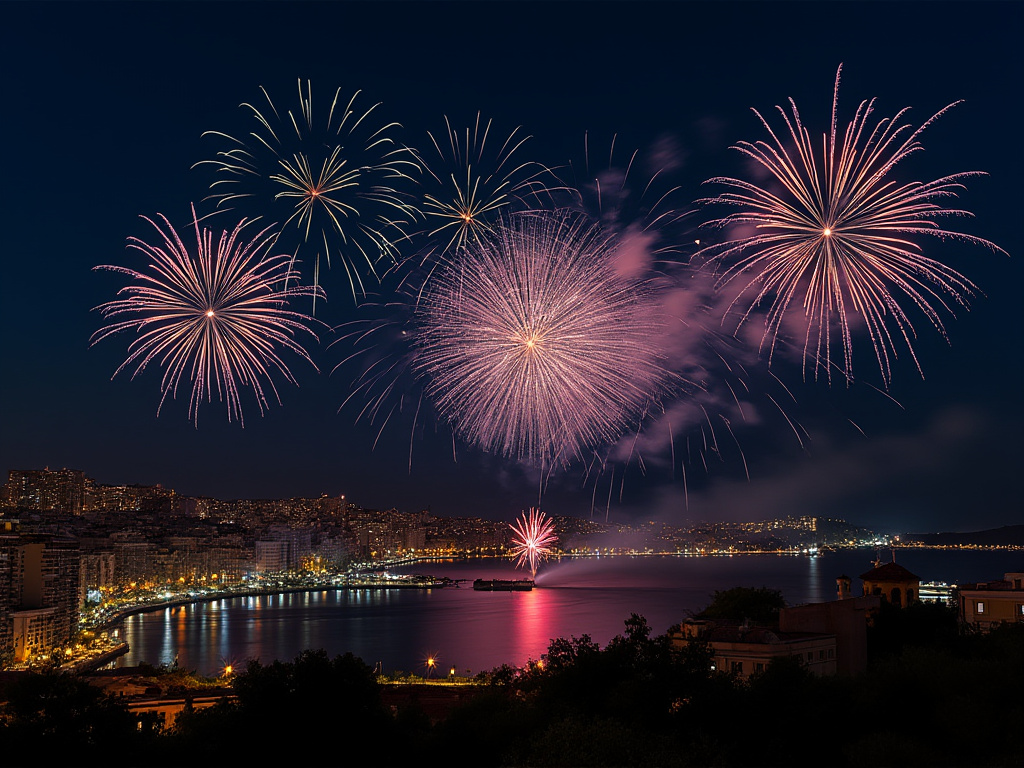
- Festas are one of the best ways to understand local Malta. Fireworks, banners, brass bands, statues, food stalls, parish pride, and crowds all come together. If you only stay in tourist zones, you can miss this side of the island completely.
- Malta has a long medical history. Hospitals and organised care go back centuries. It is not the first thing most visitors associate with the island, but historically it matters.
Landscape and practical quirks
- There are no permanent rivers or lakes. That is one reason water has always mattered so much in Malta. Rainwater storage, wells, groundwater, and modern desalination are all part of the story.
- The harbours help explain why Malta mattered historically. Grand Harbour and Marsamxett are not just scenic. They were strategic assets, which is a big part of why so many powers cared about Malta in the first place.
- Buskett stands out because Malta is not a heavily wooded country. On a larger island it might not feel especially notable. In Malta it does.
- The salt pans in Gozo are still one of the island’s most distinctive landscapes. At Xwejni, the pattern of shallow salt pans is both practical and photogenic, which is why it shows up so often in travel photos.
- Popeye Village is real, and yes, it is a little odd. It started as a film set for the 1980 movie and stayed behind. That sounds gimmicky, but it is one of those places people remember.
- Malta has been used as a film location for years. Producers like the light, the stone, the coastline, and the fact that parts of Malta can still look convincingly historical on screen.
- Comino is tiny, but its image is huge. Plenty of people know the Blue Lagoon before they know much else about Malta. In peak season, the number of visitors can make the place feel far less remote than the photos suggest.
- Distances are short, but travel times can still be annoying. Malta is a place where the map can mislead you a bit. Something may look close, and technically it is, but traffic, buses, roadworks, or summer crowds can stretch the trip.
- Malta is full of small details that make more sense once you slow down. Street shrines, enclosed balconies, British phone boxes, Arabic-rooted place names, Italian food influence, and parish decorations all sit next to each other without much fuss.
- The main thing to know is that Malta is more layered than it first appears. It is easy to arrive thinking of it as a beach destination with some history attached. After a bit more time, the order tends to reverse.
Final thoughts
Malta works best when you stop expecting it to behave like a neat resort island. It is older, busier, more built-up, and more textured than that. Some people fall for it immediately. Others need a few days before it clicks.
Either way, the interesting part is not just that Malta has old temples or good weather. It is that so many different layers of history and daily life are still visible at the same time.
Last updated: March 6, 2026
Stay in Gżira near the promenade
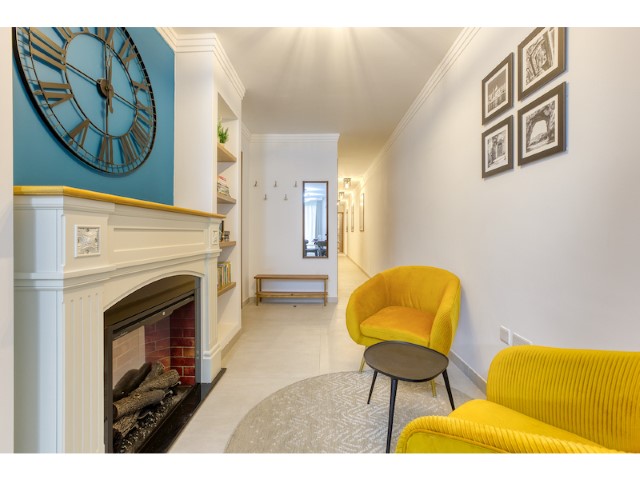
A designer 2-bedroom apartment in Gżira, close to the church, around 2 minutes from the promenade, and near Manoel Island.
View on Airbnb