
A structured history guide for readers who want the big picture, the right next page, and a clearer way into ManicMalta’s deepest historical articles.
TL;DR
Malta’s history is not one neat story. It is a chain of temple builders, traders, harbour towns, religious orders, sieges, empires, occupations and survival. Use this page to get the whole arc, or jump straight into the part that interests you most: ancient Malta, the Knights of Malta, the Great Siege, the Three Cities, Valletta, the French invasion, or Malta’s role in modern war.
Malta is small, but historically it is dense. That density is one of the island’s great strengths, but it can also make a site hard to read if everything is left as separate articles with no obvious path through them.
This page is here to make sense of the cluster. It gives readers a clean entry point and helps search engines see the shape of the topic more clearly: the main eras, the strongest cornerstone pages, and the sub-clusters that matter most.
Jump to:
Start Here
If you are new to Maltese history, do not start with the most specialised page. Start with one of these three routes instead.
Malta History Timeline Explorer
Best for readers who want the whole sweep first: deep prehistory, ancient Malta, Arab influence, the Knights, colonial transition and the modern state.
A Brief History of Malta
Best if you want a fast narrative introduction before drilling into separate themes.
Why Is Malta Important?
Best if your real question is strategic: why did this small island matter so much to so many powers?
The Big Picture
If you want the shortest possible historical map before choosing where to go next, this is the simple version.
1. Prehistoric Malta
Early settlement, cave evidence, temple culture and ritual landscapes unlike anything most visitors expect from such a small island.
2. Ancient maritime Malta
Phoenician, Carthaginian, Roman and Byzantine layers, with Malta functioning as a useful Mediterranean node rather than an isolated outpost.
3. Medieval transformation
Arab influence, changing rulers and the long shaping of Maltese language, agriculture and settlement patterns.
4. The Knights and the fortress age
The Order of St John, Ottoman pressure, the Great Siege, major fortification works, the rise of Valletta and the remaking of the harbour.
5. French, British and wartime Malta
Political transition, imperial strategy, naval importance and Malta’s outsized role in modern conflict.
6. Living historical Malta
These layers still sit close together in the streets, bastions, churches, harbours and place names of the islands today.
The Knights of Malta
This is the largest and most important historical cluster on the site, so it needs more than one generic link. The Knights of Malta were not just a military order that fought one famous siege. They were also state builders, financiers, naval operators, fortress planners, religious authorities, urban patrons and a long-running political institution.
If you flatten all of that into one article, readers get lost. The better approach is to break the cluster into clear paths.

1. Start with the Order itself
These are the pages to read if you need the core background: who the Knights were, where they came from, how they changed over time, and why they mattered beyond Malta.
| Read this | Why it matters |
|---|---|
| The Knights of Malta | The broad overview page and the cleanest starting point for most readers. |
| How the Knights of Malta Survived 900 Years of European Politics | Places the Order in a wider European frame instead of treating Malta as an isolated episode. |
| The Knights of Malta Today | Useful for readers who want to understand what survived and what changed after the military era. |
2. Great Siege and Ottoman pressure
This is the obvious entry point for many readers, but it works best when broken into strategy, battle, tactics, intelligence and aftermath rather than one single war story.
The Ottoman Empire’s Rise and How It Led to the Great Siege
Best for understanding why Malta came under such pressure in the first place.
The Great Siege of Malta
The main cornerstone page for the military crisis itself.
Military Tactics During the Great Siege of Malta
Best for readers who want the mechanics of the fighting rather than just the headline narrative.
The Spy Reports That Revealed the Ottoman Empire’s Malta Plans
Adds intelligence and planning detail to the siege cluster.
Birgu and the Great Siege of 1565
Useful if you want the ground-level city angle rather than only the strategic overview.
The Maltese During and After the Great Siege of 1565
Important because it puts local Maltese experience back into a story that is often told only through leaders and armies.
The Ottomans After the Great Siege of Malta
A useful follow-on if you want the geopolitical story after the battle itself.
3. How the Knights ruled Malta
The Order did not only fight. It governed, taxed, built, controlled trade, shaped religion and influenced the social structure of the islands.
The Economics of the Knights of Malta
Start here if you want to understand money, power and how the Order sustained itself.
Running a Business in the Three Cities, 1530–1630
A more grounded way into daily economic life under the Knights.
The Inquisition in Malta
Useful for readers interested in institutional power, discipline and religious authority rather than only fortresses and battles.
The Forgotten Hospitaller Sisters
Adds important social and institutional depth to a cluster that can otherwise become too male and too military.
4. Maritime, piracy and the corsair world
The Knights era makes more sense when you remember that Malta was a sea-facing power. Corsairing, naval action and maritime strategy were central, not peripheral.
History of Piracy from Malta
A strong bridge between fortress history and the wider Mediterranean economy of force.
Maltese Pirates: Naval Tactics
Best for readers drawn to ships, manoeuvre and operational detail.
From Corsairs to Collapse
Useful if you want to follow the decline of that system rather than only its peak.
Traditional Boats of Malta
A lighter maritime lane that still adds texture to the island’s sea-facing history.
5. Legacy after the peak
The story does not end in 1565. Readers often want to know what changed after the siege, how the Order evolved, and what remained in later centuries and even today.
The Knights of Malta After the Great Siege
The cleanest follow-on page after the main siege story.
Mysteries and Legends of the Knights of Malta
A lighter lane for readers drawn to folklore, legend and the cultural afterlife of the Order.
A Guide to Becoming a Knight or Dame of Malta
Not for everyone, but useful as a modern-era curiosity and continuity piece once the historical groundwork is in place.
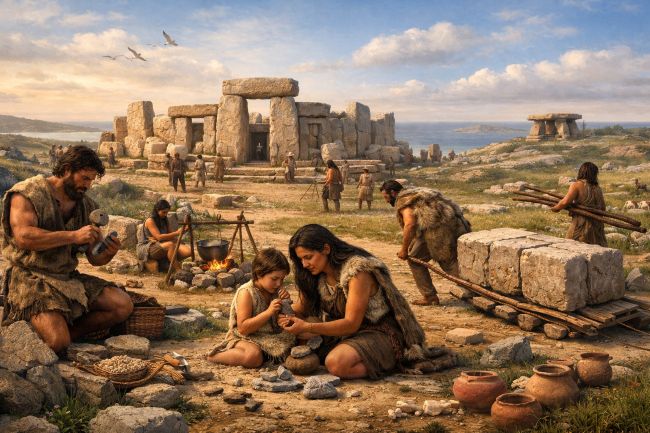
Ancient and Pre-Knights Malta
Malta’s historical importance did not begin with the Knights. The island has much deeper layers, and they matter because they show that Malta was significant long before it became a Christian fortress state.
Għar Dalam: Malta’s Window into Deep Time
The oldest layer and a useful entry point into Malta before written history.
Mnajdra and Ħaġar Qim
The clearest route into Malta’s temple culture if you want a practical starting point.
Ħal Saflieni Hypogeum
For readers who want ritual, burial and underground sacred space rather than open-air monuments.
Phoenician History in Malta
Useful for the shift from prehistoric Malta into wider Mediterranean trade and contact.
The Lasting Impact of Arab Rule on Malta
Important because it explains linguistic, agricultural and structural continuity that many visitors miss.
The Three Cities
The Three Cities are not just another area guide. They are one of the clearest places where Malta’s military, maritime, commercial and local history all meet in the same physical space.
If Valletta often feels like the polished headline, the Three Cities feel like the older working memory underneath it. This is where readers can move from high-level Knights history into streets, forts, business life, resistance, harbour logic and everyday continuity.
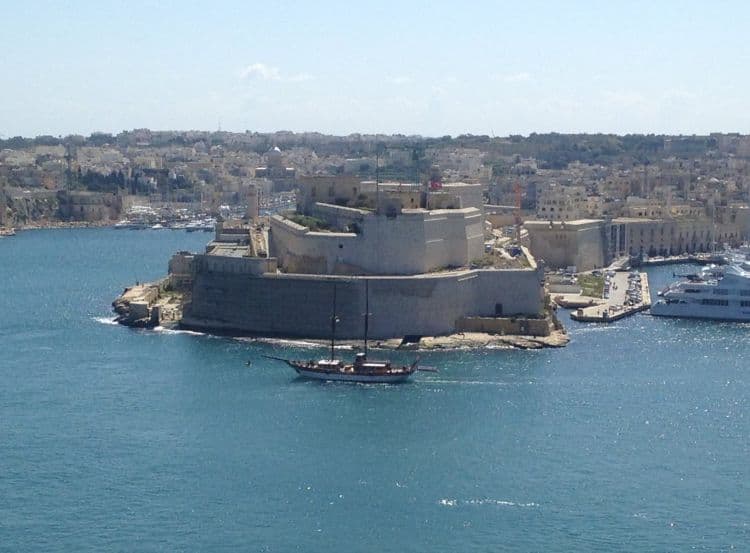
BEST WAY INTO THIS SUB-CLUSTER
1. Three Cities
3. How the Three Cities Sustained Malta During the French Blockade
| Page | What it adds |
|---|---|
| Three Cities | The main bridge page between travel and serious harbour history. |
| Bormla History | Useful when readers want one city’s story rather than a blended regional view. |
| Bormla’s Fortifications | Adds defensive and military depth to the harbour system. |
| The Evolution of Castrum Maris | Pushes the story back before the high Knights period. |
| Running a Business in the Three Cities, 1530–1630 | Adds commercial and lived-in texture to the history. |
| Tourist Guide for Senglea | A lighter entry point for readers who want a place-led route in. |
French Invasion and Political Transition
This is a stronger sub-cluster than it first appears. It is the hinge between Knights Malta and the next political order. It also connects directly into the Three Cities, resistance and blockade stories.
The French Invasion of Malta
The key transition page between the Knights era and the next political phase.
Military Tactics Used by the French in the Invasion of Malta, 1798
Best for readers who want operational detail rather than a general political summary.
The Blockade of the Three Cities by the Maltese vs the French
Important because it links occupation, resistance and place-based history.
How the Three Cities Sustained Malta During the French Blockade
A useful local-angle companion to the broader invasion story.
WWI, WWII and Modern Fortress Malta
The Knights cluster dominates the site, but it should not swallow everything that came after. Malta remained strategically important well beyond the Order’s rule.
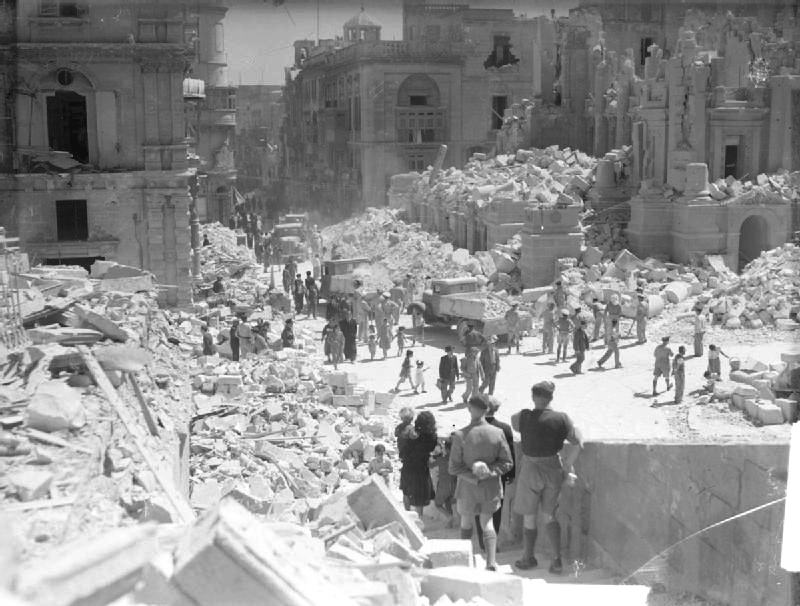
Life on a Fortress Island During WWI
A less common but useful angle on Malta before the heavier focus of WWII.
The Strategic Role of Malta in WWII
The main route into modern wartime Malta and the island’s continued strategic role.
History You Can Actually Visit
Some readers want a broad reading list. Others want a practical shortlist they can use on the ground. Start here if you want the second kind.
| If you want… | Start with… | Then read… |
|---|---|---|
| A fast overview | A Brief History of Malta | Timeline Explorer |
| The Knights and fortresses | The Knights of Malta | The Great Siege of Malta |
| A harbour-history route | Three Cities | Valletta Self-Guided Tour |
| Ancient Malta | Għar Dalam | Mnajdra and Ħaġar Qim |
| French invasion and resistance | The French Invasion of Malta | The Blockade of the Three Cities |
| Modern war history | Malta in WWII | Malta in WWI |
Why This Page Exists
Malta has enough historical depth to justify more than a category archive and more than a loose list of old articles. The aim of this page is to give the topic a centre of gravity.
For readers, that means less confusion and a clearer path into the subject. For search engines, it means a stronger signal that ManicMalta is not touching history lightly. It has real topic depth, especially around the Knights of Malta, the Great Siege, the Three Cities and the wider fortress era, and that depth is now organised in a way that makes sense.
Stay in Gżira near the promenade

A designer 2-bedroom apartment in Gżira, close to the church, around 2 minutes from the promenade, and near Manoel Island.
View on Airbnb