

Important: This is a travel site, not a law firm or tax practice. Nothing here is legal, financial, or tax advice. Programme rules, tax rates, and costs change — sometimes mid-year. Before you make any decisions about the MRP, talk to a qualified Authorised Registered Mandatory (ARM) and, if you’re moving money across borders, a cross-border tax specialist.
- Why Malta for Retirement
- How the MRP Works
- Who Can Apply
- Property Requirements
- Tax Benefits and Structure
- Residence Requirements
- Including Dependents
- The Application Process
- Real Living Costs
- Healthcare
- The Honest Downsides
- Best Places to Retire in Malta
- What Retirement in Malta Actually Looks Like
- MRP vs Other Programmes
- Long-term Residency and Citizenship
- Estate Planning and Banking
- Practical Stuff: Cars, Pets, Plugs
- Finding Your People
- Next Steps
- FAQ
I grew up here, and ManicMalta has been covering these islands since 1997 — long enough to watch this country go from a quiet Mediterranean outpost to one of Europe’s most popular retirement destinations. The Malta Retirement Programme is how it works — and it’s a good deal for the right person. But “the right person” matters. I’ve seen retired couples fall in love with the place and never look back. I’ve also seen people arrive expecting a Greek island fantasy and get rattled by the construction noise in Sliema within six weeks.
This guide covers the MRP itself — the rules, the taxes, the property requirements, the paperwork — but also the stuff immigration law firms don’t tell you: what your Tuesday morning actually looks like, where the good pharmacies are, and whether you’ll go mad without a car.
Official sources:
- Commissioner for Revenue — MRP page
- MRP official rules (PDF)
- Malta Tax & Customs Administration — MRP overview
Why Malta for Retirement
Malta sits at the centre of the Mediterranean, roughly 90 kilometres south of Sicily and 290 kilometres north of Libya. It’s an independent republic, an EU member state, in the Schengen Area, and uses the euro — which means no currency hassle for European pensioners and easy banking for everyone else.
The appeal is not hard to understand:
- Over 300 days of sunshine a year
- English as an official language — around 88% of the population speaks it fluently
- A history stretching back 7,000 years that makes most of continental Europe look recent
- Direct flights to London, Frankfurt, Paris, Rome, Amsterdam, and dozens of other cities
- A tax system that actually rewards retirees who structure things correctly
But it’s the smaller things I notice. The fact that the pharmacist knows your name. That the Sunday morning fish market in Marsaxlokk hasn’t changed since the 1990s. That you can hear church bells from four different parishes at once if you stand in the right spot. That you can drive from one end of the island to the other in under an hour — which is both a convenience and, if you’re used to wide open spaces, something to reckon with. Malta is 316 square kilometres. That’s roughly twice the size of Washington DC. You need to be at peace with that before signing anything.
How the Malta Retirement Programme Works
The MRP, established through Subsidiary Legislation 123.134 and updated in 2020, is built for pensioners. Not investors, not digital nomads, not wealthy individuals looking for a golden visa, not people who want to work remotely from a beach — pensioners. At least 75% of your chargeable income must come from a pension. That pension must be fully remitted to Malta. In return, you get a flat 15% tax rate on foreign-source income remitted to the country, with a minimum annual tax payment of €7,500.
The programme was opened to all nationalities (except Maltese citizens) in 2020, having previously been limited to EU, EEA, and Swiss nationals. By the end of 2024, over 2,800 applicants had enrolled, with a good number from Northern Europe — particularly Germany, the Netherlands, and the UK.
Who Can Apply
Anyone from any country can apply, except Maltese citizens. EU, EEA, Swiss, and third-country nationals are all eligible. The key requirements:
Pension income: You need a regular pension. Qualifying sources include:
- Periodic payments from former employers
- Occupational retirement schemes
- Personal overseas retirement plans
- Annuities and insurance policies
- US 401(k) distributions and IRA withdrawals
- UK state pensions and private pensions
Lump-sum payments without a periodic component do not qualify.
The 75% rule: At least 75% of your chargeable income must come from that pension. Any non-pension income cannot exceed 25% of total income remitted to Malta.
Financial stability: You need to prove you can support yourself and anyone coming with you, without falling back on Malta’s welfare system.
Health insurance: You need health insurance that covers you across the whole EU, not just Malta. This can be through:
- EU health rights (such as an EHIC or S1 form)
- Reciprocal agreements
- Private insurance from a reputable provider
- A qualifying health plan from your home country, if it covers EU-wide risks
Language: You must communicate adequately in either Maltese or English. In practice, this is rarely an issue — Malta is one of the most English-friendly countries in Europe.
No employment: You cannot work in Malta. However, you may hold a non-executive position on the board of a Maltese-resident company, and you can participate in philanthropic, educational, or research activities.
The Property Requirement
You need to buy or rent a place in Malta, and it has to be your main home — not a holiday flat or investment property. The property cannot be leased to a third party while you hold MRP status. You have two options:
Buying
On mobile? Swipe to see full table.
| Location | Minimum purchase price |
|---|---|
| Northern and central Malta | €275,000 |
| Gozo or southern Malta | €220,000 |
Southern Malta localities qualifying for the lower threshold include Birżebbuġa, Marsascala, Żurrieq, Żejtun, Mqabba, Qrendi, and others. These areas offer good value — Marsascala in particular has a proper year-round community and good restaurants along the waterfront.
Renting
On mobile? Swipe to see full table.
| Location | Minimum annual rent |
|---|---|
| Northern and central Malta | €9,600 (€800/month) |
| Gozo or southern Malta | €8,750 (~€729/month) |
Lease agreements must be at least 12 months and properly certified. My honest advice: rent first, even if you plan to buy. Every expat I know who rented for a year before purchasing was glad they did. The neighbourhood that charmed you on holiday may drive you mad in August when the construction starts at 6am. Our apartment rental guide covers what to look for and which platforms to trust.
Tax Benefits and Structure
The tax deal is why most people look at this programme. Here’s how it actually works:
- 15% flat rate on all foreign-source income remitted to Malta — compare that to standard progressive rates in Germany (up to 45%), the UK (up to 45%), or France (up to 45%). For a pension of €100,000, your MRP tax would be €15,000. In many EU countries, you’d be paying €30,000–€40,000.
- Minimum annual tax: €7,500 for the main beneficiary, plus €500 per dependent.
- Foreign income not remitted to Malta is not taxed. Malta uses a remittance-based system — if you leave money abroad, Malta doesn’t touch it.
- Malta-sourced income is taxed at 35%. This is deliberately high to discourage MRP holders from working locally — the programme is designed for people living off foreign pensions.
- Double taxation relief: Malta has treaties with over 70 countries. If your home country taxes your pension at source, the treaty stops you from paying twice. For non-treaty countries, Malta has a backup system so you’re not left paying double.
Tax rules change. Malta’s 2026 budget introduced pension reforms that affect how the MRP compares to ordinary residence. The figures above reflect the programme as of early 2026 — always verify with a qualified ARM or tax advisor before making decisions.
Residence Requirements
The residence rules give you room to travel without losing your status:
- Minimum stay: 90 days in Malta, averaged over any five-year period. In practical terms, this means you could spend 60 days one year and 120 the next, as long as the five-year average holds.
- Maximum stay elsewhere: Not more than 183 days in any other single jurisdiction per calendar year. This is the one that trips people up — spend 184 days in Spain and you’ve potentially triggered Spanish tax residency while losing your MRP status.
It works well for retirees who want Malta as their home base but still visit family, escape the August heat, or travel. I know MRP holders who spend winters in Malta and summers touring Northern Europe, and it works perfectly within the rules.
Including Your Dependents
Eligible dependents who can be included in your MRP application:
- Your spouse or partner (including stable, durable relationships)
- Minor children, including adopted children
- Adult children unable to support themselves due to illness or disability
- Household staff who have served you for at least two years
Each dependent adds €500 to your minimum annual tax — a modest sum. All dependents must also maintain health insurance and reside at the qualifying property.
The Application Process
You cannot apply directly. The MRP requires you to work with an Authorised Registered Mandatory (ARM) — a qualified professional (lawyer, accountant, notary, or legal procurator) registered with the Commissioner for Revenue. This adds cost but also means your paperwork gets done right.
Step by Step
- Initial application: Your ARM submits the application with a non-refundable fee of €2,500
- Due diligence: The Commissioner for Revenue reviews your documents and conducts background checks
- Letter of Intent: If approved in principle, you receive a Letter of Intent valid for 12 months
- Secure property: Buy or rent your qualifying property (if not already done)
- Final confirmation: Submit proof of property, minimum tax payment, and Notice of Primary Residence to receive your confirmation letter
The typical timeline is 2–4 months. That’s a lot faster than comparable programmes — Portugal’s retirement residency, for instance, commonly takes six months or longer.
Documentation You’ll Need
- Valid passport
- Police conduct certificates with Apostille certification
- Proof of pension income (statements, award letters)
- Health insurance documentation
- Property purchase or rental agreement
- Birth, marriage, or divorce certificates as applicable
- Completed application forms (your ARM provides these)
ARM professional fees typically run €1,500–€3,000 on top of the government application fee. Budget for total first-year professional costs of €4,000–€5,500.
Real Living Costs in Malta
Here are the numbers I’d give a friend, not the glossy brochure version. A single retiree can live comfortably in Malta on €2,200–€2,800 per month including rent. A couple should budget €2,800–€3,500. These are realistic figures that include eating out once or twice a week, running a car, and having a social life. You can do it cheaper — I know people managing on €1,500 — but you’d be watching every euro.
Monthly Breakdown (Single Retiree, 2026)
On mobile? Swipe to see full table.
| Category | Typical range |
|---|---|
| Rent (1-bed, decent area) | €800–€1,200 |
| Utilities (electricity, water, gas) | €90–€150 |
| Internet (fibre) | €30–€35 |
| Mobile phone | €15–€30 |
| Groceries | €250–€350 |
| Dining out (2× weekly) | €150–€250 |
| Public transport (Tallinja card) | Free (all routes, since 2024) |
| Health insurance (monthly share) | €60–€260 |
| Misc (pharmacy, haircut, entertainment) | €100–€200 |
Costs are estimates based on 2025–2026 prices and vary by area and lifestyle. Treat these as a starting point for your own budgeting, not a guarantee.
Grocery costs: a standard loaf of bread runs about €0.85, though a large fresh ħobż from a proper bakery is closer to €1.50 (and worth every cent). A litre of local milk, €1.10. A bottle of decent Maltese wine — and they are actually decent now — starts at €5 in the supermarket. Malta’s wine scene has improved hugely. The Sunday open-air markets at Marsaxlokk and Birgu are where locals buy produce at better prices than the supermarkets.
Restaurant costs remain reasonable compared to Northern Europe:
- Inexpensive restaurant meal: €12–€18
- Three-course dinner for two at a mid-range place: €55–€80 with wine
- Glass of local wine at a restaurant: €4–€7
- Espresso: €1.50 / Cappuccino: €2.50–€3.00 — coffee culture is alive and well here
Common Medication Costs
For retirees on regular medication, this matters. Pharmacy prices in Malta:
On mobile? Swipe to see full table.
| Medication | Approximate price |
|---|---|
| Metformin (type 2 diabetes, 90-day supply) | €5–€9 |
| Simvastatin (cholesterol, 30-day supply) | €4–€7 |
| Omeprazole (acid reflux, 30-day supply) | €12 |
| Lisinopril (blood pressure, 30-day supply) | €10–€20 |
| Levothyroxine (thyroid, 28-day supply) | €3 |
If you’re coming from the US, these numbers will look absurdly low. If you’re coming from the UK with an NHS prescription, they’re comparable or slightly higher — but you won’t be waiting six weeks for a GP appointment. Pharmacy prices checked in 2025; they may shift with supplier changes or EU regulation updates.
Healthcare for MRP Retirees
MRP holders must maintain private health insurance covering EU-wide risks. You cannot access Malta’s free public healthcare system — that’s reserved for citizens, permanent residents paying National Insurance, and EU workers.
That said, Malta’s healthcare is good. The World Health Organization ranked Malta’s health system 5th globally in its well-known 2000 ranking — a number that still gets cited everywhere. More recent indices place Malta lower (the 2023 WHO framework puts it around 26th, the Lancet Healthcare Access and Quality Index has it in the top 30), but day-to-day, the care here is solid. Life expectancy in Malta is among the highest in the EU, and according to Eurostat data, the number of healthy life years at age 65 is well above the EU average.
What’s Available
- Mater Dei Hospital — Malta’s main public hospital, a modern 825-bed facility that opened in 2007 and is one of the largest medical buildings in Europe. Even as a private patient, you may end up here for emergencies or specialist procedures.
- Private hospitals — St James Hospital Group, Saint James Capua Hospital, Da Vinci Health, and Saint Thomas Hospital. Wait times for private consultations are typically days, not weeks.
- GP consultations: €15–€60 privately
- Specialist visits: from €60
- Emergency care is available to everyone regardless of insurance status — though insurance verification happens after stabilisation
All medical professionals speak English. It’s basically the British system — Malta was a colony for over 150 years, and the hospitals still run on that model.
Insurance Options
On mobile? Swipe to see full table.
| Coverage level | Annual cost (approx.) |
|---|---|
| Basic coverage | €275–€500 |
| Comprehensive coverage | €700–€3,100+ |
| Family of four | From €1,600 |
Major insurers operating in Malta include BUPA Malta (the one most expats start with), GasanMamo, Laferla, Atlas, and Citadel. According to the Malta Insurance Association, about 65% of expat retirees use a mix of public emergency care and private insurance for planned treatments. Get quotes from at least three providers before committing — premiums vary wildly based on age, pre-existing conditions, and excess levels. Insurance costs change annually; always get current quotes directly from providers.
The Honest Downsides
I’d be doing you a disservice if I didn’t cover this. Every immigration firm’s website makes Malta sound perfect, and it’s not — here’s what catches retirees off guard:
Summer heat. July and August are brutal — 35°C+ with humidity that makes it feel worse. If you’re heat-sensitive, you will spend those months indoors with the air conditioning on, or you’ll leave. Many MRP holders do exactly that, which is fine within the residence rules. Check the month-by-month weather breakdown before making decisions.
Then there’s the construction. Malta is in a building boom that shows no sign of stopping, and the noise and dust from it is a constant presence. Cranes are everywhere. Some neighbourhoods have active building sites on every other street. This is the single biggest complaint I hear from expats who’ve been here less than two years.
Traffic. Malta has among the highest car densities in Europe — roughly 700 vehicles per 1,000 people. Rush hour on the main roads can be properly awful. Think carefully about whether you need a car — many retirees find they don’t if they choose their location well.
And if you need trees and grass around you every day, Malta will feel stark — there are no forests, no rivers, just limestone and sea. The landscape is beautiful in its own way, but it’s not green. The hiking is surprisingly good, but it’s garigue and cliff edges, not woodland trails.
Size and cost are related problems. After three months, you will know every restaurant in your neighbourhood. After six months, you’ll start running into the same people everywhere. Some people love this. Others find it claustrophobic — and it’s getting more expensive, too. Malta is no longer the bargain it was ten years ago; rents have risen sharply since 2018, especially in the popular coastal areas. Sicily is a short ferry or flight away when you need a change of scenery, and if your pension is modest, look at Gozo, southern Malta, or the Three Cities for better value with real character.
Best Places to Retire in Malta
If I could give you one piece of advice, it’s this: spend more time choosing your neighbourhood than choosing your ARM. I’ve watched enough retirees settle in the wrong spot and struggle. Here’s my honest take on the main options:
St. Paul’s Bay / Buġibba / Qawra: The largest expat community on the island. Affordable rents, plentiful restaurants, good bus connections, English spoken everywhere. The downside: it can feel like a British resort town rather than Malta, and the architecture is mixed at best. If you prioritise community and convenience over character, this works well.
Mellieħa: Quieter than St. Paul’s Bay, with Malta’s best sandy beach on your doorstep. More of a village feel. You’ll probably want a car. Good for people who prefer nature and quiet over nightlife.
The Three Cities (Birgu, Senglea, Bormla): This is where I send people who want authentic Malta. The Three Cities have real history — Fort St Angelo alone is worth a full morning — plus waterfront walks, local restaurants, and a growing arts scene. Rents are much lower than the northern coast. The ferry to Valletta takes ten minutes. Senglea in particular is compact, beautiful, and walkable.
Marsascala: A working fishing town in the south with a genuine local community. Qualifies for the lower MRP property thresholds. Sunday lunches at the waterfront restaurants are one of my favourite things on the island.
Gozo (Victoria, Xlendi, Marsalforn): The peaceful option. Lower property prices, slower pace, better countryside. You’re dependent on the ferry to the main island (25 minutes, free for Gozo residents on foot). Medical facilities are more limited — serious cases get transferred to Malta. But if tranquillity is your priority, Gozo is hard to beat. The temples at Ġgantija alone are worth the move.
For a deeper comparison of neighbourhoods, read my honest area-by-area guide. If you’re still in the “is this even right for me?” stage, start with Is Malta Right for You?
What Retirement in Malta Actually Looks Like
Immigration law firms don’t cover this part, but it’s what actually decides whether you’re happy here: what will you do with your days?
Morning: Coffee at a harbour-side café. Walk along the promenade. In winter, Malta’s light is extraordinary — golden, Mediterranean, the kind photographers travel thousands of miles for. Winter sun here does something good for you that’s hard to explain.
Culture:
- Valletta’s museums are world-class for a city this small
- The walk through the capital never gets old — I still do it regularly
- Cultural events run year-round: concerts, exhibitions, theatre, opera at the Manoel Theatre (one of Europe’s oldest working theatres)
- Village festas are loud, chaotic, and flat-out joyful — every parish has its own week-long celebration with fireworks, band marches, and food stalls
Outdoors:
- Beach days from May through October
- Diving is spectacular — Malta ranks among Europe’s top dive destinations, with accessible wreck sites and visibility reaching 30+ metres
- Rock climbing, mountain biking, and multi-day coastal hiking if you’re the active type
- Sea kayaking along the cliff coastline — you can paddle into caves that are impossible to reach on foot, and most rental outfits don’t need any experience
History: I’ve been here nearly 30 years and I’m still finding things I didn’t know about.
- The Hypogeum dates back to around 4000 BC and still gives me chills
- Ħaġar Qim and Mnajdra predate the Egyptian pyramids
- The Great Siege of 1565 is one of the most dramatic military stories in European history, and you can walk the actual fortifications
- Mdina is the old capital — silent streets, honey-coloured stone, and surprisingly few tourists outside peak season
Food: Maltese food is its own thing — a mix of Sicilian, North African, and British influences. You can get pastizzi for €0.50 from a hole-in-the-wall bakery, fresh swordfish at Marsaxlokk, rabbit (fenek) stew that’s been slow-cooking since morning, or a plate of bigilla with crusty bread at a village bar that hasn’t redecorated since 1985. Summer festivals bring food stalls to every town square.
Day trips:
- Comino for swimming in the Blue Lagoon (go early or off-season)
- The historic water trail through Malta’s aqueducts and springs
- Kalkara for a quiet waterfront lunch
- Gozo for the day — take the ferry from Ċirkewwa and you’re on a different island in 25 minutes
MRP vs Other Malta Residence Programmes
Malta offers several residence programmes, and picking the wrong one can cost you thousands in unnecessary fees or lock you out of the tax benefits you actually want.
On mobile? Swipe to see full table.
| Feature | MRP | MPRP (Permanent Residence) | GRP (Global Residence) |
|---|---|---|---|
| Target audience | Pensioners | High-net-worth investors | Non-EU high-income individuals |
| Tax rate on foreign income | 15% flat | Progressive (up to 35%) | 15% flat |
| Minimum annual tax | €7,500 | N/A | €15,000 |
| Government contribution | €2,500 application fee | €28,000–€58,000 | €6,000 application fee |
| Property requirement | From €220k (buy) / €8,750 (rent) | €300,000–€375,000 | From €275k (buy) / €9,600 (rent) |
| Permanent residence? | No (renewable) | Yes | No (renewable) |
| Path to citizenship? | Indirect | Yes | Indirect |
| Employment allowed? | No (non-exec only) | Yes | No (non-exec only) |
The MRP is best for genuine retirees with pension income who want tax efficiency and don’t need permanent status. If permanent residence and a citizenship path matter more, the MPRP is the route — but it costs a lot more.
Long-term Residency and Citizenship
The MRP gives you renewable tax residency — not permanent residence, and not a path to citizenship. That difference matters more than people realise.
Your first permit lasts one year. After that, renewals come in two-year blocks, and you can keep renewing indefinitely as long as you stay in compliance. There’s no cap and no re-application — just keep meeting the conditions.
After five years of continuous residence, naturalisation may be possible through Malta’s standard channels. You’d need four cumulative years with permanent residence permits, at least 12 months continuous residence right before you apply, enough Maltese to get by in daily life, and a clean record. It’s not automatic — it’s a separate application with its own requirements.
Here’s the catch: Obtaining permanent residence automatically terminates your MRP tax benefits. You’d switch to Malta’s progressive tax rates (up to 35%). This is a deliberate design — the MRP and permanent residence are separate tracks. If you’re happy with the 15% flat rate and renewable status, there’s no reason to change.
Estate Planning and Banking
For estate planning, Malta is about as clean as it gets in Europe:
- No inheritance tax*
- No estate tax
- No wealth tax
- 5% transfer duty on inherited immovable property in Malta
- Special provisions for MRP status transfer to qualifying dependents
Compare that to other countries it’s not a bad deal …
*There’s no inheritance tax as such, but heirs do pay a 5% stamp duty when Malta property is transferred to their name — and under the 2026 budget, that drops to 3.5% on the first €400,000 if you’re inheriting a parent’s home.
Banking
Opening a Maltese bank account requires:
- Standard KYC documentation
- Proof of Malta address
- Income verification
- Initial deposits: €500–€1,000
The main banks are Bank of Valletta (BOV), HSBC Malta, APS Bank, and BNF Bank.
A word of honest warning: Malta’s banks are not known for speed. Opening an account can take weeks. Online banking works but feels about a decade behind what you’re used to from Northern European or US banks. Many expats maintain a Revolut or Wise account alongside their Maltese bank for day-to-day convenience. International pension transfers work smoothly through SEPA (for euro-denominated pensions) or SWIFT.
Practical Stuff: Cars, Pets, Plugs
Transport
Malta drives on the left (British legacy), and the roads take some getting used to. Here’s what you need to know:
- EU/EEA driving licences: Valid without exchange
- Non-EU licences: Valid for 12 months with an International Driving Permit
- Car insurance: ~€200 annually for third-party (the legal minimum); comprehensive cover runs €400–€600+ depending on the car and your age
- Bolt / eCabs: Ride-hailing apps work well in the main towns and are often easier than finding parking
The public bus system (Tallinja) covers the whole island and — as of 2024 — is free for all Tallinja cardholders. That includes all day routes, night routes, harbour ferries, and even the Barrakka Lift. You just need to register for a personalised Tallinja card (free, takes a few days). Buses are air-conditioned and reasonably reliable on main routes, less so on rural ones. My honest assessment is that most retirees living along the coast from Valletta to St. Paul’s Bay can manage without a car. In Gozo or rural Malta, you’ll want one.
Pets
Bringing pets to Malta requires:
- EU pet passport or third-country health certificate
- Microchipping
- Rabies vaccination (at least 21 days before travel)
- Tapeworm treatment for dogs (1–5 days before entry)
- No quarantine when requirements are met
Electrical
Malta uses British three-prong square plugs (Type G), not the two-pin round plugs standard in continental Europe. Voltage is 230V/50Hz. Bring adapters. If you’re coming from the US, you’ll also need a voltage converter for any appliances that aren’t dual-voltage.
What to Bring
Our Malta packing guide covers what you’ll need. For a permanent move, add:
- Copies of all medical records
- A 3-month supply of prescription medications while you set up a local pharmacy relationship
- Any specialised electrical equipment with the right adapters
- A certified copy of your pension documentation — your ARM will need it, and getting it re-issued from abroad takes time
A good travel first aid kit is worth assembling before you arrive.
Finding Your People
Malta has a large and well-established expat community — foreign residents make up roughly 20% of the population. Finding your social circle isn’t difficult if you make a small effort:
- InterNations Malta — regular meetups: happy hours, cultural tours, wine tastings. The most organised expat networking group on the island.
- Facebook groups — “Expats Malta” and “Americans in Malta” are active and helpful.
- British Residents’ Association — established for decades, a natural starting point for UK retirees.
- Local clubs — Malta has active sailing, bridge, bowls, photography, and volunteer groups. The Lions Club, Rotary, and various church-based social groups are easy ways in if you prefer structured meetups over pub nights.
Street art walks, village festas, spring equinox gatherings, and Easter celebrations are all entry points into Maltese social life. The Maltese are warm people — if you shop at the same grocer, drink at the same bar, and make an effort to learn even a few words of Maltese (bonġu = good morning, grazzi = thank you), doors open fast.
Maintaining Your MRP Status
Compliance is not optional. Status can be lost by:
- Exceeding 183 days in another jurisdiction annually
- Failing to maintain the 90-day average presence over five years
- Not maintaining qualifying property or insurance
- Taking employment in Malta
- Establishing Malta domicile within five years of MRP approval
Every year you’ll need to file a tax return, keep your property and insurance in order, and notify the authorities within four weeks if anything changes — new address, change in pension, updated insurance policy, anything. Miss a deadline and you’ll get a warning; miss several and your status is at risk.
Next Steps
If you’re seriously considering the Malta Retirement Programme:
- Run the numbers. Calculate whether the 15% flat rate actually saves you money compared to your home country’s tax system, factoring in the €7,500 minimum and property/insurance costs
- Visit first. Spend at least two weeks here, ideally spanning different weather. Stay in different areas. Rent an apartment rather than staying in a hotel so you experience daily life, not tourist life
- Choose your ARM carefully. Get recommendations from other MRP holders, not from Google ads. The quality of your professional advisor makes a real difference
- Rent before buying. Always. Live somewhere for a year before committing €275,000+
- Check flight connections from the places you’ll still want to visit regularly — proximity to family matters more at this stage of life than at any other
Look, Malta is a real country with real frustrations — the bureaucracy, the traffic, the banking that moves at glacial speed, the fact that the entire island shuts down for three hours on Sunday afternoon. But for the right person with the right pension and the right expectations, it’s an extraordinary place to spend your retirement. I still find new things to love about it after all these years. If you visit, walk the streets of Valletta and the Three Cities, sit in the cafés, and ask yourself honestly: could I do this every Tuesday? If the answer is yes, call an ARM.
Important: This guide is written by a travel site, not by lawyers or tax advisors. Nothing in this article is professional legal, financial, immigration, or tax advice. Programme rules, thresholds, and tax rates can and do change — Malta’s 2026 budget changed the pension tax rules mid-cycle, and future budgets may do the same. Before making any decisions, consult an Authorised Registered Mandatory (ARM), a qualified tax advisor familiar with your home country’s obligations, and verify everything directly with the Malta Tax and Customs Administration. Your situation is yours — get advice that’s specific to it.
Frequently Asked Questions
How much money do I need to retire in Malta?
A single retiree can live comfortably on €2,200–€2,800 per month including rent. A couple should budget €2,800–€3,500. The MRP itself requires a minimum annual tax of €7,500 plus either property purchase (from €220,000) or rental (from €8,750/year). In practice, the programme works best for pensions above €50,000 annually — below that, the mandatory minimum tax may not save you anything.
Can Americans retire in Malta through the MRP?
Yes. The MRP was extended to all nationalities in 2020. Social Security income, 401(k) distributions, and IRA withdrawals can qualify. The US–Malta double taxation treaty helps prevent double taxation. However, US citizens remain subject to worldwide US tax obligations regardless of residency — you’ll need a cross-border tax specialist.
Can UK citizens still use the Malta Retirement Programme after Brexit?
Yes. The MRP remains fully open to UK nationals, who now apply as third-country nationals. The UK–Malta double taxation treaty is still in force. UK state pensions, occupational pensions, and private pensions all qualify.
What is the healthcare system like in Malta for retirees?
Malta has a strong dual healthcare system. MRP holders must use private insurance, costing €275–€3,100+ annually. Mater Dei Hospital, opened in 2007, is one of Europe’s largest medical facilities. Private wait times are typically days, not weeks. All staff speak English. Eurostat data shows Malta’s healthy life years at age 65 are well above the EU average.
Where is the best place to retire in Malta?
It depends on what you want. St. Paul’s Bay has the biggest expat community and best value. The Three Cities offer authentic character at lower prices. Mellieħa is quiet with good beaches. Gozo is peaceful and affordable but isolated. Rent for a year before buying — always.
Do I need a car in Malta as a retiree?
Not necessarily. Along the Valletta-to-St Paul’s Bay coast, buses are frequent and free for all Tallinja cardholders. In Gozo or rural Malta, a car makes life easier. Malta drives on the left. Third-party car insurance: ~€200/year.
Is Malta safe for retirees?
Very safe. Eurostat data shows roughly 25 police-reported crimes per 100,000 residents, lower than the Netherlands or Denmark. Violent crime is extremely rare. Standard precautions apply, but most retirees feel safer here than at home.
What can I do in retirement in Malta?
More than you’d expect from a 316 km² country. Diving, hiking, climbing, cycling, kayaking. Valletta’s museums, year-round cultural events, village festas. 7,000 years of history to explore on foot. A growing wine scene, excellent restaurants, and Sunday fish markets. Day trips to Comino, Gozo, and even Sicily.
How long does the MRP application take?
Typically 2–4 months from submission to confirmation — faster than most comparable European programmes. You must work through an Authorised Registered Mandatory (ARM). Total professional costs: €4,000–€5,500 including the €2,500 government application fee.
Can I work in Malta under the MRP?
No. Employment is prohibited. You may hold non-executive board positions and do philanthropic or research work. For remote work, look at Malta’s Digital Nomad Visa instead.
Answers above are for general orientation only and may be out of date. Always confirm current rules, costs, and eligibility with the relevant Maltese authorities and a qualified professional before acting.
Stay in Gżira near the promenade
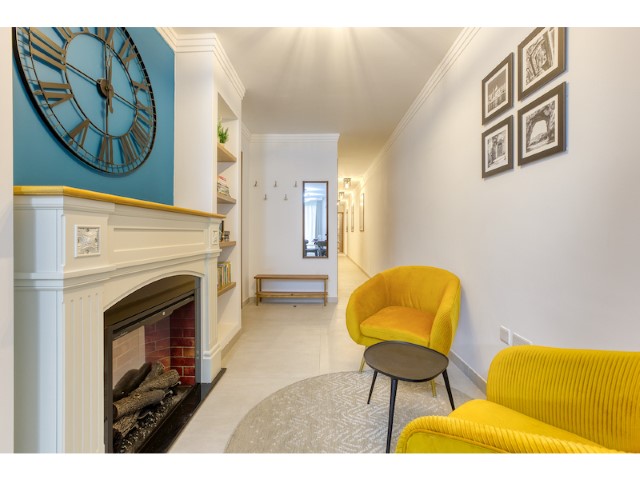
A designer 2-bedroom apartment in Gżira, close to the church, around 2 minutes from the promenade, and near Manoel Island.
View on Airbnb