
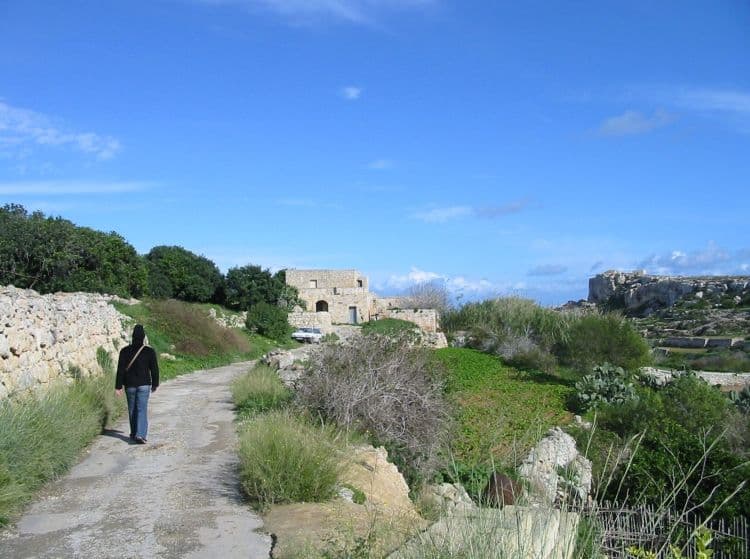

Remote Work Guide · Written from Malta · 2026
Visa reality, tax nuance, real costs, timezone, Schengen access, iGaming cluster, banking, apps and the daily friction most guides skip. Includes a longer look at Malta as a Dubai alternative.
By ManicMalta · Updated March 4, 2026
TL;DR — THE 30-SECOND VERSION
This guide helps you decide whether Malta or Dubai is the right remote-work base for your actual income, client geography and lifestyle — not the lifestyle you think you want.
- Choose Malta if your clients are in Europe, you want EU legal footing, and a €1,800–2,800/month burn rate suits your income.
- Choose Dubai if you earn €90k+ comfortably, want a global hub, and are fine with months of indoor-default summer living.
- Biggest hidden difference: Malta asks you to tolerate mess. Dubai asks you to tolerate engineered convenience — and pay for it.
- Tax risk to avoid: 183+ days in Malta can trigger ordinary tax residency. Count your days.
- VoIP risk to avoid: Test your calling stack in Dubai before you sign a lease — not after your first missed client call.
- Banking reality: Budget 3 months minimum for a local Malta bank account. Wise/Revolut is your primary stack in both places.
- Disclosure: ManicMalta is sponsored by a short let in Gżira, Malta. It is linked below in the costs section.
JUMP TO
ManicMalta has been covering Malta since 1997, and this guide is written from the Gżira side of the harbour, a short hop from Valletta. For Dubai I have relied on people who have actually lived there — not just visited — and tried to represent their experience honestly.
This comparison is built around the questions that matter once the novelty wears off: how hot is too hot, what does banking actually look like, where do you end up socially, and what happens to your working day when your clients are three time zones away. You will get real numbers, real neighbourhood names, real friction and one clear decision framework. If you are still deciding whether Malta works at all as a base, start with our remote work from Malta guide and the wider digital nomads and remote work section. If you need a quick geographic reset before any of that, here is where Malta actually sits.
Vibe check
Before the spreadsheets, the honest version.
Malta: The smell of sunscreen on tourists coming to party with the excuse of learning English, mixed with smiles of the older expats who are here to retire early and seeking shelter from grey English weather under a mild sun. Stuck in traffic because you decided to visit the Three Cities at the top of rush hour, and party-goers coming back hand in hand wishing the night is not ending as their one-night fling ends with it.
The pastizzi grease, the sand and the sea salt mixed. The ferry horn at 7am. A landlord who will fix something eventually — probably next week. High-speed internet and slow-speed life. Street works, cranes, people going to work in the morning all busy and businesslike. Transformed into life, bars, restaurants and promenades along a cool summer breeze.
Too many supermarkets probably and not too much differentiation between them. Amazon does not work here, or at least not like in mainland Europe or Dubai, but there are some online Amazon wannabes. And then: a 400-year-old wine bar on Strait Street, flip-flops acceptable, nobody performing anything, someone’s dog asleep under the table. Malta is loud, warm, slightly broken and completely itself.
Dubai: The smell of expensive oud and aggressive air conditioning. Marble lobbies at midnight. A Careem that arrives in four minutes every time. A city built on the premise that friction is a problem to be engineered out of existence — and one that largely succeeds. Everything is brand new, perfectly paved, and slightly sterile in the way high-end airport lounges are sterile: comfortable, functional, oddly placeless.
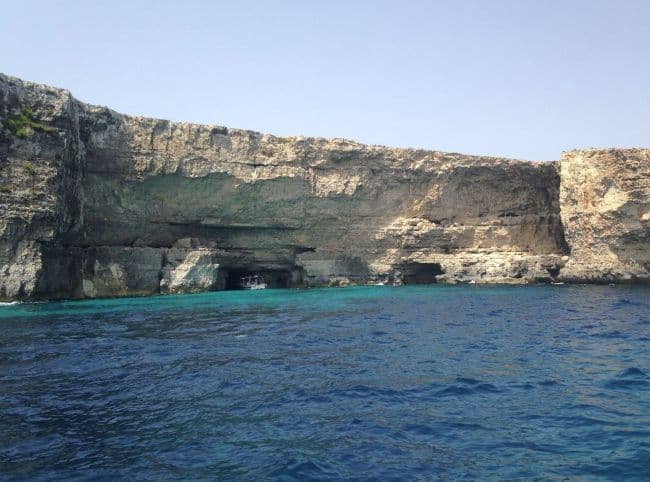
At a glance
On mobile, swipe left to see the full table.
| Category | Malta | Dubai | Edge |
|---|---|---|---|
| Residency route | Nomad Residence Permit, €42,000/yr min, 1-year renewable | Virtual Work Visa, ~USD 42,000/yr min, 1-year | Tie |
| Tax headline | 10% on authorised work only — not a blanket rate | No UAE local income tax — but home-country obligations remain | Depends on passport |
| Timezone (EU clients) | CET/CEST — essentially aligned with Europe | UTC+4 — 3–4 hrs ahead of London, awkward for EU overlap | Depends on your business |
| Schengen / EU | Full Schengen member; EU legal protections; SEPA banking | Non-EU; excellent hub for Gulf, South Asia, East Africa | Malta for Europe; Dubai for Gulf/Asia |
| Monthly burn (1-bed) | €1,800–2,800 all-in | USD 3,500–5,500 once ecosystem costs land | Malta |
| Summer reality | Hot, humid, crowded in August — but still walkable | Brutally hot; city becomes indoor infrastructure for weeks | Malta |
| VoIP / calling | No restrictions | TDRA approved-list applies; test before committing | Malta |
| Social vibe | Casual, overlapping, easier to meet people spending lightly. There is a good gender balance. | Ambitious, polished, social life tiered by spend. | Malta for ease; Dubai for scale |
| iGaming / tech cluster | One of the densest in the world for its size. However you can walk in the countryside during the week and see no one for km. | Larger but less concentrated by industry | Malta for this niche |
Who each base tends to suit
Malta may suit you if:
- Most of your clients are in Europe or you travel Schengen regularly
- You want EU legal footing — for compliance, invoicing or a documented European address
- You invoice in euros and want fewer FX frictions in daily life
- You want to keep burn rate under €2,500/month without feeling like you opted out
- You work in or adjacent to iGaming, fintech, crypto or digital marketing
- You want a base that feels inhabited, not engineered
- You love the sea, sea sports, snorkelling, mountain biking
- You want a good nightlife based on your personal choice
Dubai may suit you if:
- Your income comfortably covers a USD 4,000–5,000/month baseline without stress
- Your clients or network span Gulf, South Asia or East Africa
- You travel long-haul frequently and want a major hub airport on your doorstep
- You want systems that work at scale, quickly and predictably
- You are comfortable with months of indoor-default living in summer
- You are building a family setup and want infrastructure that does not require improvisation
Where you would actually live
Comparison guides talk about countries. You will live in three or four streets. Neighbourhood choice shapes your social life, daily mood, transport costs, noise level and food options more than any national average.
Malta: neighbourhoods that work for remote workers
- Gżira and Sliema — where most remote workers end up. The ferry to Valletta from the Gżira waterfront takes about 8 minutes and costs almost nothing. Good café density. Lidl, PAVI and coworking options nearby. Trade-off: the main coastal road is noisy, and July–August tourist density is real. Two apartments on the same street can feel completely different depending on which side they face.
- Valletta — small, atmospheric, very well-served by independent cafés and restaurants. Probably the place on the island which has all services close to each other. But it is hilly and some of the rustic charm might become too much long term. Cars inside are an issue and a 15-minute walk to and from your car is a given. Free parking is very difficult, but a large car park at the entrance makes things easier. There are not a lot of people who actually live in the capital. Rental options are more limited and building quality varies, but the city-within-a-city feel works well for some remote workers at this price point.
- St Julian’s — convenient and well-connected. Runs hotter on nightlife energy. Works for some, wears on others. Loud in the evening, loud at night, parking is difficult, but has access to the sea and beaches and close to some marvellous walks between St Julian’s and Baħar iċ-Ċagħaq.
- Gozo — slower, quieter, beautiful in places, but without the plug-and-play infrastructure of the main island. Best as a rotation base rather than a primary one. Channel crossing: ~25 minutes from Ċirkewwa. Summer is busy, winter is quiet — very quiet, so quiet that you can hear yourself think how quiet it is. Marsalforn and Rabat are cosmopolitan by Gozo standards.
If accommodation choice is still fuzzy, read our holiday rentals guide and alternatives to Airbnb in Malta before signing anything.
Dubai: clusters that work for remote workers
- Dubai Marina and JBR — most walkable by Dubai standards, best café and coworking density, waterfront access. Most expensive of the nomad-friendly clusters.
- JLT (Jumeirah Lakes Towers) — slightly lower price point, professional community feel, reasonable metro access.
- JVC (Jumeirah Village Circle) — budget-conscious and suburban. Works if you are mostly at your desk. Daily errands default to apps and taxis rather than walking.
- DIFC / Downtown — business-heavy, premium, central. Priced accordingly. Suits people for whom proximity to professional networks matters.
Visa and residency basics
Last checked against official programme pages March 2026. Always verify directly before applying.
| Factor | Malta Nomad Permit | Dubai Virtual Work Visa |
|---|---|---|
| Min. income | €42,000 gross/year | ~USD 42,000/year (~USD 3,500/month) |
| Core condition | Remote work for non-Malta employer or clients | Remote work for entity outside UAE |
| Insurance | Required | Required |
| Duration | 1 year, renewable (max 4 years total) | 1 year, renewable |
| EU benefit | Yes — formal EU residence, Schengen travel, SEPA IBAN | No EU dimension |
| Longer stay | Renewable within programme rules | 2-year and 10-year Golden Visa routes available |
One Dubai option worth knowing about separately: the Golden Visa (2-year and 10-year versions) operates on different qualifying criteria — typically property investment above a set threshold, a demonstrably high salary, or specific professional categories. Many higher-earning remote workers bypass the Virtual Work route entirely and qualify for Golden Visa status, which gives a more stable long-term UAE presence. If your income or asset position might qualify, research this separately before assuming Virtual Work is your only option.
If you want a broader visa comparison beyond these two countries, our guide to digital nomad visas is a useful next step.
Tax considerations
Tax treatment must be verified individually before relocation. This is not tax advice.
This is where comparison articles most often become dangerous — not because the information is wrong, but because a headline rate looks simpler than it is.
Malta: the published position for eligible Nomad Residence Permit holders is a 10% rate on authorised work income. That rate is real. It is also not the whole picture. It applies only to income from authorised work under the permit. Other income falls under normal Maltese tax rules. Residence status, domicile, remittance treatment and treaty interaction all matter. Do not compress the Malta tax story to one number.
Dubai: no UAE personal income tax is the headline. Your actual tax position still depends on your citizenship, home-country rules, applicable treaties and how many days you spend in the UAE. The zero-UAE-tax headline does not automatically mean zero global tax exposure.
One Dubai cost note that changed recently and matters for lifestyle budgeting: the UAE scrapped its 30% alcohol tax and removed the requirement for a personal liquor licence. This brought the actual cost of a night out meaningfully closer to European norms. Worth knowing if your earlier budget modelling included an alcohol premium.
Timezone and Schengen: the overlooked career variables
Malta sits at CET/CEST. If your clients are in London, Berlin, Amsterdam or Paris, you are one to two hours ahead of most of them. Morning standups, end-of-day calls and afternoon overlap all work without mental arithmetic. For European freelancers and contractors, Malta is effectively invisible from a scheduling perspective.
Dubai is UTC+4 all year. Three to four hours ahead of London. End-of-day calls for European clients may fall in your early evening. Those four hours compound quietly over months. For people working with Gulf or South Asian clients, the logic flips — Dubai’s timezone is a genuine career advantage.
On Schengen: a Malta residence permit lets you travel across 27 countries without visa applications or entry tracking — weekend in Rome, client meeting in Amsterdam, conference in Berlin. A note on what this does and does not mean: it is Schengen travel convenience and EU legal footing. It does not give automatic rights to live or work in other EU member states as a non-EU national under a Malta nomad permit. Keep the benefit where it belongs and it is still genuinely significant — especially for anyone whose passport previously required EU visas.
Real costs and budgets
Budget ranges are working estimates for 2026. They shift with neighbourhood, housing standard and lifestyle habits.
Malta (Gżira–Sliema corridor), solo remote worker:
- Furnished 1-bed apartment: €900–1,300/month
- Food (home cooking + regular café and dinner out): €350–500/month
- Transport (Bolt + occasional bus): €80–150/month
- Utilities and internet: €100–150/month
- Social life (wine bars, Gozo weekend, events): €200–400/month — depends on what you do
- Total realistic range: €1,800–2,800/month
Dubai (JLT–Marina area), solo remote worker:
- Furnished 1-bed apartment: USD 1,500–2,500/month
- Transport (Careem, Metro, taxis): USD 200–350/month
- Food, delivery and social: USD 600–900/month
- Gym, coworking, air-conditioned everything: USD 300–600/month
- Total realistic range: USD 3,500–5,500/month
A note on Malta life outside the house: even though the island is tiny there are many things to do cheaply outside. A BBQ on the beach (check the rules, but it can be done), a walk along the coast, a swim, a snorkel, a bottle of wine while watching the sunset, Carnival, visiting Fort St Elmo on a Sunday morning, walking along the Gżira marina to watch the yachts. You catch my drift. There are things to do which are interesting and free or do not cost an arm and a leg.
Planning rule: Malta rewards budget discipline — you can live well on a modest income in the right neighbourhood. Dubai rewards income strength — the city works best when your earnings comfortably exceed the cost floor.
Considering Malta seriously?
ManicMalta is sponsored by a short let in Gżira — between Valletta and Sliema, walkable to the seafront, close to the ferry, surrounded by actual supermarkets, cafés and daily infrastructure. The kind of location that makes Malta logistics actually work. If you are comparing neighbourhoods first, read where to stay in Malta. If you are deciding between hotels, apartments and booking platforms, read how to choose a holiday rental and alternatives to Airbnb in Malta. Then rent a short let for a couple of weeks before you choose your final base.
Disclosure: ManicMalta is sponsored by this Gżira short let.
Internet and work infrastructure
Malta: fibre is available in most of the main residential corridors through Melita and Epic. In practice, the apartment matters more than the provider. Some older buildings in Gżira and Sliema can be on pre-fibre infrastructure. Just check before signing — 99% of the time you will be fine. Internet in Malta is a solvable problem, not a structural one, but it needs checking per-apartment rather than assumed.
Dubai: infrastructure is excellent. Etisalat (e&) and du provide reliably fast connections across modern residential buildings. The friction point is not bandwidth — it is the VoIP question covered in the next section.
VoIP and communication friction
In Malta: no restrictions. Zoom, Google Meet, Slack calls, WhatsApp video, FaceTime, Teams — all work without configuration changes. Malta is transparent from a communication standpoint.
The iGaming and tech cluster
This is something Malta has that Dubai does not replicate — and it matters even if you do not work in gaming.
Malta has one of the densest concentrations of licensed iGaming companies in the world. The Malta Gaming Authority framework attracted operators from across Europe, and those operators brought product managers, developers, marketers, compliance people and tech consultants — most of them young, internationally mobile, and running the same lifestyle as a standard digital nomad. SiGMA in November brings several thousand people to the island and anchors the professional calendar for the whole sector.
The year-round ecosystem means there is a functioning professional network here that you can tap without being in the iGaming sector yourself. The best version of Malta socialising looks like: a wine bar on Strait Street in Valletta on a Thursday, ending up at a table with someone who works in iGaming compliance and someone who moved from Berlin to write — neither introduction organised. That happens here because the geography forces the overlap. It does not happen in a city of three million.
However, the dynamics of the job market around this industry are changing due to AI. It is not that companies are firing people, but they are using their people augmented by AI tools to grow more, and they are hiring less in some areas. Maybe not in all departments, but I have talked first-hand with some legal departments and it is the case for that kind of work.
The August problem
Malta in August: the relaxed Mediterranean pace disappears under tourist volume, festas, beach pressure, traffic noise and heat that does not drop much at night. Valletta stays manageable. The St Julian’s strip becomes punishing, in a good way.
Many long-term Malta-based remote workers treat August as their travel month and leave. That is a legitimate strategy, not a failure of the base. However, it is also a fun month, where you can wake up at 6am, go swim, work from 10am till 3pm, then sleep for two hours, then party like it’s 1999 and do the same thing next day. Just don’t drink every day as there is a bit of a drinking culture here.
Dubai in August: the city functions — it always functions — but daily life becomes a series of air-conditioned enclosures connected by air-conditioned cars. Outdoor spontaneity essentially disappears for eight to ten weeks. If your mental health depends on walking outside at random, sitting at a seafront kiosk for an hour, or spending unplanned time in the open air, you will feel the difference hard by week three.
The professional question is not which place is hotter. It is: where do you want to be for those six to eight worst weeks of the year? Malta asks you to tolerate humidity, noise, crowds and someone else’s construction schedule but you can escape to a cool beach and maybe take up diving. Dubai asks you to accept indoor enclosure as the default operating system of your day.
Healthcare and insurance
Both Malta and Dubai work reasonably well for remote workers who sort insurance before arriving. The important word is before.
Malta sits within a European healthcare context — public and private layers exist, and the environment is familiar to most people coming from elsewhere in Europe. As a nomad permit applicant, valid health insurance is required. What it actually covers — outpatient, emergency, specialist, dental — is worth checking carefully rather than assuming the cheapest policy is adequate. Hospitals in Malta: there are some private ones where appointments are quick. The public ones for non-urgent issues are a different story — enough said.
Dubai’s healthcare infrastructure is praised for modern facilities and private-sector convenience. Insurance is not optional and not cosmetic — it is central to how healthcare access works there. Sort it before you arrive. Check the provider network covers your intended area, and read the exclusions before you need to use the policy.
Banking and payments
Malta: once you have residence you can open an account with BOV, HSBC Malta and other local banks. The EU IBAN structure means payments from European clients and payment processors work cleanly — that is the payoff. The friction is front-loaded: Malta’s local banks have onboarding processes that are document-heavy, cautious and thorough.
One Malta-specific detail that catches people: utility registration through ARMS requires you to register correctly as the account holder. If a landlord leaves the account in their name or sets it up as domestic rather than residential, the billing works differently from what you expected. Ask the question before signing the tenancy agreement.
Dubai: UAE banking is more competitive but can be bureaucratically slow. Initial account opening often requires a salary certificate or employment confirmation that a self-employed nomad may not have in standard format. The system was designed for employed residents first. Wise bridges the gap. Build a two-month buffer either way.
Apps that run daily life
| Category | Malta | Dubai |
|---|---|---|
| Ride-hailing | Bolt, Uber, eCabs | Careem, Uber, Dubai Metro |
| Public transport | Tallinja (live bus routes — routes 13, 14, X1 most useful); Gżira–Valletta ferry | Dubai Metro + Careem for last mile |
| Food delivery | Wolt, Bolt Food | Talabat, Careem, Noon |
| Grocery delivery | Wolt Market, supermarket apps | Instashop, Kibsons, Noon |
| Shopping / household | Lidl, PAVI within walking distance in Gżira/Sliema, Greens, Pama, HomeMate | Noon, Amazon.ae |
In Dubai the app ecosystem is not a side feature — it is a core part of why the city feels easy. Remove the apps and Dubai becomes much harder to live efficiently. In Malta you will walk more than you expected in the Sliema–Gżira–Valletta strip, and use Bolt for anything beyond that zone.
Daily friction most guides skip
Malta
- Construction noise is hyperlocal. Two apartments in the same street can feel completely different. Check building plots behind, beside and opposite before signing.
- Traffic in the central belt. The same journey that takes 8 minutes at 8am can take 35 minutes at 5pm. The Gżira–Valletta ferry is one of the few genuine hacks.
- Landlord quality varies enormously. A good flat and a bad flat will produce completely different opinions about Malta as a country. Read the lease. Ask about ARMS registration. Ask who manages maintenance. Most landlords are good people and want to protect their reputation but also their investment. The small minority sometimes touches the headlines.
- The power grid is a real remote-work risk in summer. Malta experienced significant outages during 2023–2025 heatwaves. A UPS for desktop setups and a habit of keeping your laptop charged are basic infrastructure in Maltese summer. Since then the network has been upgraded and the power station fitted with extra generators. As of now, fuel and electricity are subsidised. Worth checking whether grid upgrades have improved the situation in your specific area.
- August changes the island. Peak of the tourist season — so if you like life, enjoy this month. If you prefer fewer crowds, you can slip away to mainland Europe or even to one of the central towns in Malta.
- Car-free living works only in specific zones. Sliema, Gżira and Valletta are viable. Outside those zones, daily movement slows significantly.
Dubai
- Chiller costs. Chiller-free apartments add a significant and variable AC cost in summer. Chiller-included buildings smooth this out. Ask before you rent.
- Delivery culture normalises spending. The convenience is real. So is the low-level spending inflation that comes with having everything available on an app.
- VoIP — see the dedicated section above. Test before you sign a lease.
- Ramadan changes the working and social rhythm. Restrictions on eating and drinking in public, adjusted business hours and a different social pace are worth understanding before you arrive.
- Cluster lock-in. Unless you live in Marina or JBR, day-to-day movement defaults to taxi, metro-plus-taxi or car. This shapes both budget and daily mood more than apartment photos suggest.
- The headline “Dubai is expensive” hides a quieter reality. Many remote workers settle into a more affordable version of the city that looks different from the brochure.
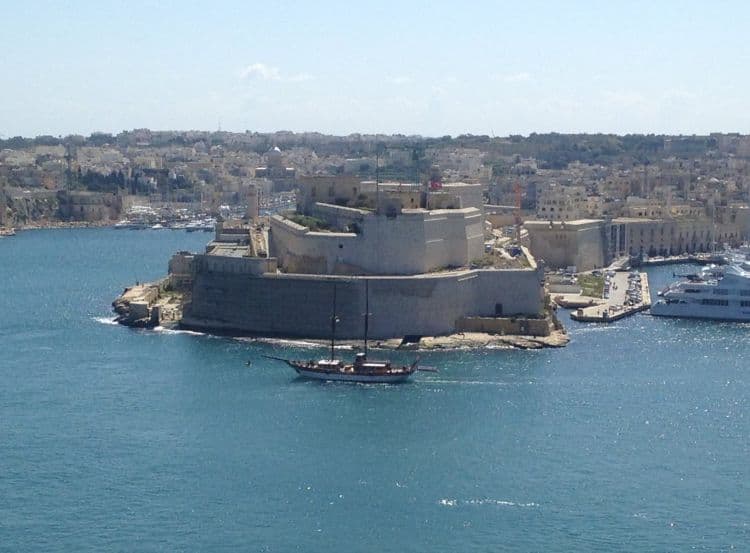
Malta as a Dubai alternative: the honest version
Some people reading this are not weighing two equal options. They are asking: “I understand what Dubai offers. I am not sure it still fits me. What does Malta actually solve?”
The cost gap compounds over time
The budgets above show a monthly gap of roughly €1,000–€1,800 between equivalent lifestyles. Over a year: €12,000–€21,000. For a solo remote worker earning €70,000–€90,000 gross, that gap is meaningful and shapes what you can save, invest or spend elsewhere.
| Timeframe | Malta (mid-range) | Dubai (mid-range) | You keep |
|---|---|---|---|
| 1 month | ~€2,300 | ~€4,100 | ~€1,800 |
| 6 months | ~€13,800 | ~€24,600 | ~€10,800 |
| 1 year | ~€27,600 | ~€49,200 | ~€21,600 |
| 2 years | ~€55,200 | ~€98,400 | ~€43,200 |
Mid-range estimates using €2,300/month (Malta) and ~€4,100/month (Dubai at ~USD 4,500). “You keep” = the difference. Tax not included — that changes the picture further depending on passport.
European access is a different kind of value
For remote workers doing EU-facing work — consulting, legal services, compliance, marketing to EU clients, anything where a documented European address matters — Malta solves a problem that Dubai cannot. You cannot substitute a UAE address for an EU one in regulatory or compliance contexts where EU presence is the actual requirement. This point is consistently underweighted in Malta-vs-Dubai comparisons.
The scale trade-off is real
Malta is small. There is no version of Malta that gives you Dubai’s airport depth, restaurant range, housing market breadth or premium service infrastructure. If you need those things consistently, Malta will frustrate you. That is an honest negative, not a hedge.
What Malta offers instead is compactness that works well for sustained remote work: short distances, repeated social overlap, the ability to know your neighbourhood rather than just consume it, and a Mediterranean pace that some people find better suited to long-term productivity than a city built around stimulation and convenience.
Who this trade actually makes sense for
The Malta-instead-of-Dubai move tends to make most sense for remote workers who earn comfortably but not extravagantly, whose client base is European rather than global, who value EU presence for business reasons, and who are honest with themselves that the Dubai lifestyle premium does not match what they actually use day to day. It is not a downgrade. It is a different strategy for a different profile.
Social texture
Malta’s social scene is compressed and surprisingly accessible. The island is small enough that scenes overlap regardless of profession. The iGaming and tech community shapes Malta’s expat atmosphere in ways that are useful even if you never touch gaming professionally. The coworking scene around Valletta and the Sliema waterfront acts as the practical professional mixing layer.
There is a flip side. Malta has a local population that has been here for millennia, and the expat-vs-local dynamic is more visible than in younger cities. Fitting into Maltese social life — as opposed to the expat layer of it — takes time and genuine interest. You will not be adopted by default but you will be accepted very easily. Many locals have now been expats themselves, all speak English well if not a third language, which is usually Italian. A small island with a repetitive cadence makes foreigners exotic, especially long-term visitors with tales from afar and stories with backgrounds that the island cannot replicate. So if you are a genuinely good person and are open and sincere you will make local friends — more easily than mainland Europe, dare I say.
Dubai’s social scene is more ambitious and more stratified. The city sorts people visibly by sector, spending tier and neighbourhood. If you want to be around high-performers who are explicitly optimising their lives and careers, Dubai puts you in a room with a lot of them. The downside: low-ceremony social life — the kind where you end up talking to someone because you were both standing outside — is harder to find. Most Dubai socialising involves a plan, a venue and a price point.
Dubai is also a transient city. Around 90% of the population are expatriates, and turnover among remote workers is high. That makes it easy to meet people and genuinely difficult to build the kind of slow-accumulating social roots that make a place feel like home. It is worth knowing which kind of person you are before committing to a long lease.
Family life and long-term practicality
Dubai has the stronger hand for family setups. International schools are plentiful and well-regarded, domestic services are inexpensive, and the overall physical safety record is excellent. The cost is real: a family in Dubai needs meaningfully higher income to access what the city is genuinely best at.
Malta is a workable family base but a more improvised one. Good international schools exist — St Edward’s College, Verdala International, San Anton and San Andrea are the main options — but the range is narrower. What Malta offers instead is sea access within minutes, smaller scale and a lifestyle that is less mall-centred. If that trade-off works for your family’s version of normal, Malta is very liveable with children. You have a lot of playgrounds and the number of parks has gone up significantly — the Malta parks and gardens directory is a good starting point.
Try before you commit
- Spend three to four weeks in the specific neighbourhood — not a hotel in the tourist zone
- Take actual client calls from the apartment — test internet, time zone and noise at 10am on a Tuesday
- Do your actual weekly errands: groceries, pharmacy, gym, café, coworking
- Spend a full workweek there and notice where the friction appears
- If considering Dubai, include some of the warmer months — not only the November-to-March window
One month of serious trial living reduces more uncertainty than ten blog posts, including this one.
Reality check
If you want a brochure to spell out every possible activity and want an engineered lifestyle, Malta offers some of that, but it becomes a routine — some love it. There is another Malta though. Drinking a Cisk on a hired boat. Going to Gianpula alone and making new friends. Going to Serkin at 5am and eating pastizzi before your 10k run and then hating the decision to eat before and not after every step. Going to a UFO-watching meeting and meeting plenty of interesting people. Sharing a seat with an Indian guy on the bus and he will tell you all about his journey from India to Malta. You exchange numbers and two years later he invites you to his daughter’s wedding. What I am saying is: be more open to life here, as Malta gets its depth from the people rather than its geography.
If you hate spending most of your summer indoors, watching lifestyle inflation creep into your monthly costs, and living in a housing cluster that defaults to taxi or car for everything, Dubai will wear on you faster than the glossy version suggests.
Malta asks you to tolerate more mess, more life, in exchange for Europe, compactness and atmosphere. Dubai asks you to tolerate more engineered convenience and higher cost in exchange for speed, scale and polish. Neither is wrong. Both are real.
Decision matrix
Rough heuristics, not rules. Score yourself and see where you land.
On mobile, swipe left to see full table.
| Your situation | Lean Malta | Lean Dubai |
|---|---|---|
| Annual income | €45k–€90k gross | €90k+ where the cost floor is genuinely comfortable |
| Client geography | Primarily European time zones | Gulf, South Asia, East Africa or multi-region |
| EU presence matters | Yes — compliance, invoicing or legal address | No — client base doesn’t require EU footing |
| Summer tolerance | Hot and crowded — but outdoor access matters to you | Fine with months of indoor-default living |
| Travel pattern | European hops, budget carriers, Schengen | Long-haul, multiple continents, hub matters |
| Social preference | Casual overlap, smaller scene, roots over novelty | Scale, ambition, high-performer density |
| Friction tolerance | Can live with slow banking, variable landlords, construction noise | Want things to work immediately and reliably |
| Family setup | Workable, more improvised | Stronger systems, more school choice, more expensive |
If you scored 5+ on one side, that is probably your base. If you split evenly, do the trial month — there is no spreadsheet fix for a tie like that.
Conclusion
If you are choosing with your head, Dubai often wins on infrastructure, speed and professional polish. The city is a better machine.
If you are choosing with your nervous system — the one that has to get up and work every day for two or three years — Malta often wins on liveability. The Schengen travel access, the timezone alignment with Europe, the iGaming professional cluster, the compressed social scene, the lower cost floor and the fact that you can walk to a café in October without planning your route around air-conditioning all point in the same direction: Malta is easier to actually inhabit, not just to stay in.
In one sentence each
Choose Malta if you want a compact European base, Mediterranean life, lower costs and EU access built in — and you are honest that the Dubai premium does not match what you actually use.
Choose Dubai if your income comfortably covers the cost floor, your work benefits from a major global hub, and you are prepared for the summer the brochure does not show you.
If Malta is winning, the next practical reads are where to stay in Malta, how to choose a holiday rental, and alternatives to Airbnb in Malta.
FAQ
Is Malta easier than Dubai for first-time digital nomads?
For most people with European clients: yes. The timezone sits right, Schengen travel is immediately useful, the social scene is more approachable on a limited budget, and the cost floor is lower. Dubai is easier in some administrative ways once you are set up, but the cost pressure from day one is real and the communication stack requires testing that Malta does not.
What is the 183-day rule and does it matter for nomads in Malta?
It matters and is worth tracking from day one. Spending 183 or more days in Malta in a calendar year can trigger ordinary Maltese tax residency — a different and more consequential status than the nomad permit scheme. Count your days. If you are approaching 150, get tax advice before the threshold becomes an issue rather than after.
Is Malta’s 10% nomad tax automatic?
No. The 10% rate applies to authorised work for eligible permit holders only. Other income falls under normal Maltese tax rules. If your income has multiple streams or you start any locally-sourced work, the picture changes. Read the official guidance rather than any blog summary, including this one.
Can I use Zoom and calling apps normally in Dubai?
Major work platforms — Zoom, Microsoft Teams, Slack, Google Meet — are on the TDRA’s published approved list. Consumer calling apps are a different category and should not be assumed to behave the same way. Test your exact stack during a short visit before committing to a lease. The list is at tdra.gov.ae.
Which place is better in summer?
Malta is significantly more liveable if outdoor life matters to you. It gets hot and crowded in August but you can still walk to a café in the morning without planning your route around air-conditioning. Dubai’s summer problem is not temperature alone — outdoor spontaneity essentially disappears for eight to ten weeks. And in Malta, construction noise can make it harder still. Many long-term Malta residents leave in August.
What does banking actually look like in each place?
Both require patience. In Malta, budget three months minimum for a functioning local account — Wise/Revolut is your primary setup in the meantime. In Dubai, account opening moves slowly for self-employed nomads who don’t fit the salary-certificate template. Same answer: Wise bridges the gap. Build a two-month buffer either way.
Is the iGaming scene in Malta relevant if I am not in that industry?
More than you would expect. The iGaming community brought a large number of internationally mobile, digitally-native professionals to a small island. That creates a default social layer of people already living the nomad lifestyle, already embedded in tech and digital business, and easy to meet without formal networking events. Even if you never touch gaming professionally, the community shapes Malta’s expat atmosphere in ways that are useful.
Can you live car-free as a remote worker in Malta?
Yes, but only in specific zones. Sliema, Gżira and Valletta are viable without a car. The Gżira-to-Valletta ferry is one of the best daily transport options on the island. Outside those zones, daily movement slows significantly without a car or consistent reliance on Bolt.
What about combining Malta and Gozo?
A good combination. The Gozo Channel crossing is about 25 minutes from Ċirkewwa. Malta for work rhythm, logistics and internet reliability; Gozo for decompression blocks when you need slower pace and less noise. Many Malta-based remote workers develop a Gozo rotation by month three.
ManicMalta has been covering Malta since 1997. This comparison is a practical planning guide, not a substitute for professional or official advice.
Last updated: March 2026.
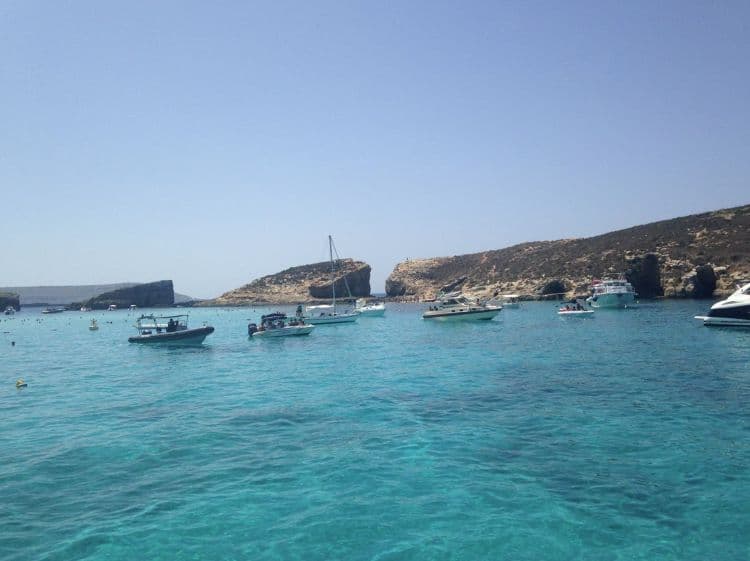
Stay in Gżira near the promenade
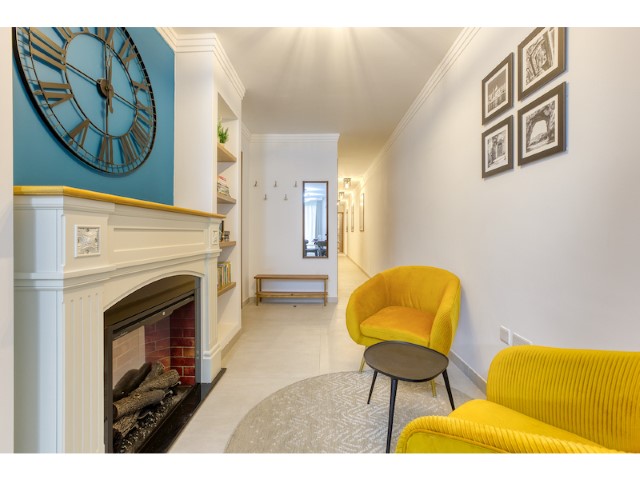
A designer 2-bedroom apartment in Gżira, close to the church, around 2 minutes from the promenade, and near Manoel Island.
View on Airbnb