
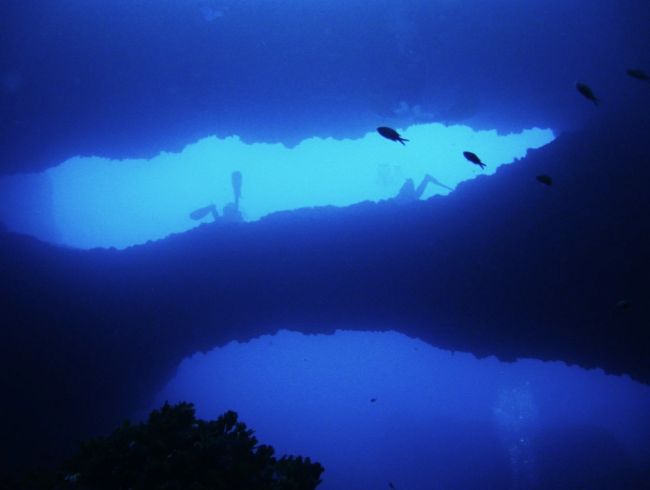

What visitors get wrong when diving in Malta, Gozo and Comino, and how to avoid wasting dive days on bad site choices, rough entries or overconfident planning.
TL;DR – THE 30-SECOND VERSION
This guide helps you avoid the mistakes that catch visiting divers out in Malta, especially if you are used to easier entries, warmer water or destinations where the weather does not reshape the whole plan.
Most common mistake: choosing the site from a nice photo instead of from that morning’s conditions.
Most underestimated problem: rocky entries and exits that look manageable until you are standing on them in full kit.
Best upgrade: start easy, get used to Malta’s entries and sea state, then move into the bigger sites.
Gear mistake: packing for a sunny island holiday instead of for the actual water temperature.
Planning mistake: booking every dive too rigidly and leaving no room for a coast change.
Rule to know: in Malta, independent diving is tied to certification level, and divers without a 30m qualification must be accompanied by a licensed instructor.
Disclosure: ManicMalta is supported by a short-let apartment in Gzira, mentioned below only as a practical Malta base for divers.
Jump to
Why Malta catches people out
Quick decision table
The most common mistakes
Local rules and practical realities
Gear and season mistakes
How to build a safer trip
FAQ
Malta is a very good place to dive. It is also a place that punishes lazy assumptions.
From shore, the water can look calm enough. Then you walk down with your gear, get a proper look at the rocks, feel the surge a bit closer in, and realise the dive is not really starting underwater. It started five minutes earlier.
That is where visitors often get caught. Malta, Gozo and Comino are full of rewarding dives, but they suit people who plan properly, listen to the local briefing and stay honest about what kind of diver they are in real conditions, not just in their logbook story about themselves.
Disclaimer: Scuba diving is an inherently risky activity that requires proper training, experience and adherence to safety protocols. This article is for general guidance only and is not a substitute for professional instruction, certification standards or a proper briefing from a licensed local operator. Always dive within your training limits and the conditions on the day.
Why Malta catches people out
One reason is simple. Malta gives you a lot of diving in a small area, and that can create false confidence. People see that everything is close together and start treating the sites like menu options. But the gap between an easy bay dive and a rougher exposed entry can be bigger than it first looks.
The second reason is more local. Malta is not a place where you just ask “what is the best site?” and get one fixed answer. The real question is “what is working today?” Wind direction, swell and which side of the islands is protected matter enough that a less famous site in the right conditions is often the better dive by miles.
- Malta is compact: but conditions can change sharply from one coast to another.
- Shore diving is common: which keeps the trip flexible, but makes entries and exits a much bigger deal.
- Visibility is often excellent: which can trick people into thinking the dive itself will be easy.
- Big-name sites are everywhere: which is exactly why people sometimes move up too fast.
Quick decision table
On mobile, swipe left to see full table details.
| Mistake | Why it happens | What it leads to | Better move |
|---|---|---|---|
| Ignoring entry and exit conditions | The sea looks fine from a distance | Slips, scrapes, aborted dives, tired divers before descent | Assess the rock entry and exit before committing |
| Underestimating wind and current | People assume the Mediterranean is always gentle | Wrong site choice, rough exits, wasted dive time | Let the operator match the site to the day |
| Overestimating ability | Experience from easier water does not always transfer well | Stress, bad buoyancy, poor gas use, rushed ascents | Start easier and step up gradually |
| Wrong exposure protection | “Malta” sounds warm all year | Cold divers, shorter dives, worse decisions | Choose gear for the season and dive profile, not the postcard |
| Surfacing carelessly in boat traffic | Visitors are not used to busy summer waters | Serious safety risk | Use an SMB and surface with awareness |
| Not understanding local rules | Assuming home-country habits apply | Problems with operators, confusion, restricted options | Check what your certification actually allows in Malta |
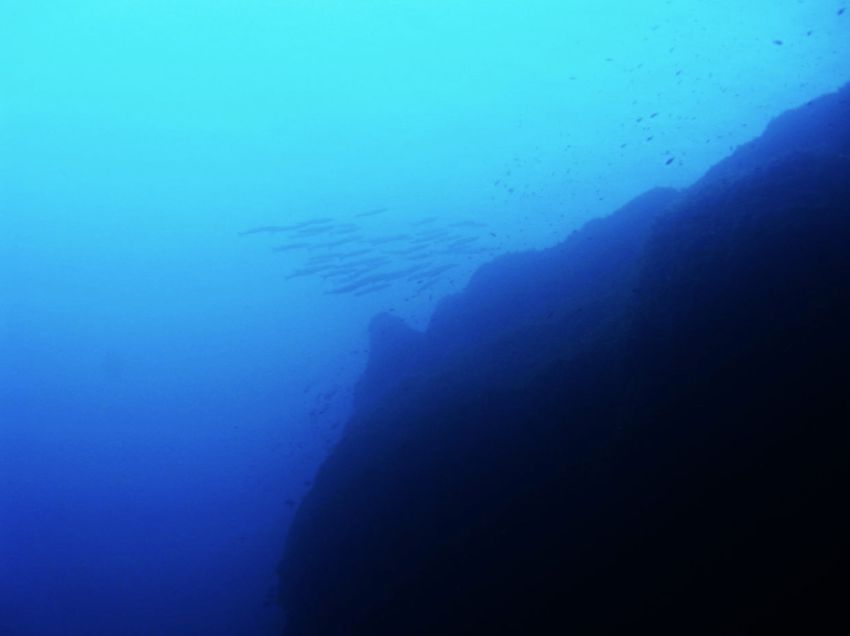
The most common mistakes
1. Underestimating the entry and exit
This is the mistake that feels most Malta-specific. Plenty of visitors are used to easier entries. In Malta, a good shore dive may start with uneven limestone, slippery edges or an exit that feels much worse when you are tired and carrying kit. People think about the site. They forget to think about the first ten metres.
- Where it shows up: exposed shore sites such as Cirkewwa, Reqqa Point and other rocky entries.
- Why it matters: bad entries injure people, drain energy and knock confidence before the dive even begins.
- Better move: wear proper boots, move slowly and think about the exit before you enter.
2. Trusting the photo instead of the weather
A site can look perfect in a guide and still be the wrong place to dive that day. Malta diving is shaped heavily by wind direction, swell and which side of the islands is working. This is why local operators change plans so often. They are not messing you about. They are reading the island properly.
- Local wind to know: the Gregale, a strong north-east wind, can turn a comfortable plan into a poor one fast.
- Better move: keep the schedule flexible and let the day decide the coast.
3. Assuming your experience transfers neatly
A diver can be comfortable in warm, calm water and still find Malta tiring at first. That is normal. Shore entries, cooler water outside summer, busier boat traffic and more exposed sites all change how the day feels. Malta is not hard for the sake of it. It just exposes weak assumptions quickly.
- Warning signs: rushed setup, heavy breathing before descent, poor trim, messy buoyancy and over-fast ascents.
- Better move: treat your first dive as a reset, not as a stage performance.
4. Poor buoyancy in caves, caverns and reef sections
Malta has several sites where bad buoyancy causes real trouble. In caverns, swim-throughs and reefy areas, unstable trim does not just look messy. It kicks up silt, knocks into marine life and makes enclosed spaces feel smaller very quickly.
- Where it matters: cave systems, rocky swim-throughs, reef edges and marine growth areas.
- Better move: do a refresher if needed and leave the more enclosed routes until you are properly settled in.
5. Bringing gear for the holiday, not for the dive
This happens because people pack for Malta the destination, not Malta the water. In winter and early spring the sea can drop to around 14C. Even outside the coldest months, repeated or deeper dives can feel sharper than expected once wind and surface intervals get involved. You notice this more on day two than on day one.
- Typical mistake: packing too light because the trip is in the Mediterranean.
- Better move: choose exposure protection for the water and the dive profile, not the air temperature on the promenade.
6. Letting a famous site drag you deeper than planned
Famous wrecks and headline natural sites have a way of pulling people along. You want to see the wreck properly. You want to reach the arch. You want the full version of the dive because you may not be back soon. That is exactly where planning starts to go soft and bottom time disappears faster than expected.
- Where this happens: sites like Rozi, P31, Um El Faroud, Blue Hole and other dives with deeper options.
- Better move: decide the sensible version of the dive before you descend and stick to it.
- Related read: Malta shipwreck diving guide
7. Surfacing lazily in boat traffic
This is more of a warm-season problem, but it is real. Malta’s popular waters can get busy. Divers who are used to quieter places sometimes get sloppy about ascent and surfacing discipline, especially later in the day when everyone is relaxed and already thinking about lunch.
- Better move: use an SMB where appropriate, follow the briefing and surface like people above you exist.
8. Flattening all cave-style diving into one category
Malta has beautiful underwater caves and caverns, but not every overhead-looking space is a casual holiday swim-through. Some routes are simple and open. Some are not. Visitors sometimes lump them all together and call the lot “cave diving”, which is where sloppy judgement begins.
- Better move: stay inside your training and treat anything more than a straightforward cavern or guided passage with proper respect.
9. Not knowing the local rule set
This part needed correcting from the older version of the article. In Malta, divers are only considered independent if they hold a certification that allows them to dive to 30m. If they do not, they need to be accompanied by a licensed instructor. Operators will also usually require a medical questionnaire, and declared conditions may mean medical clearance is needed.
- Better move: sort the paperwork and expectations before you get to the desk.
10. Refusing local help when the dive clearly calls for it
This is not about always hiring a guide. Plenty of Malta dives are straightforward enough with the right experience. The mistake is refusing local knowledge on days when the site, the conditions or your own comfort level obviously make it the sensible option. Some people hear “guide” and think sales tactic. Sometimes it is just good judgement.
- Better move: use local guidance for deeper, rougher, more exposed or more complex dives.
- Related read: Scuba diving in Malta: a primer to the best underwater adventures
Local rules and practical realities
Malta is not difficult to navigate once you know the basics, but it is worth clearing up a few things before the trip. The main one is independence. Not every certified diver is treated as an independent diver under Maltese rules, even if they think of themselves that way back home.
- Independent diving: only for divers whose certification allows them to dive to 30m.
- If you do not hold that level: you need to be accompanied by a licensed instructor.
- Medical forms: expect a questionnaire before diving with operators.
- Protected and heritage sites: follow operator guidance rather than assuming the rules are the same everywhere.
Local reality: Malta is windy. Good operators do not fight that. They work around it by choosing the right coast, the right site and sometimes the less glamorous plan that turns out to be the better dive.
Gear and season mistakes
Being cold is not just uncomfortable. It makes people rush, shortens dives and nudges decision-making in the wrong direction. Malta’s sea temperature can fall to around 14C in winter, and even shoulder-season diving can feel sharper than expected when you are doing multiple dives and standing around in the wind between them.
| Season | What people assume | What often works better | Main risk |
|---|---|---|---|
| Winter | Mediterranean means mild water | 7mm, semi-dry or drysuit depending on diver and profile | Getting cold fast and shortening dives badly |
| Spring | Warm air means warm water | A full suit, often thicker than first-time visitors expect | Underestimating repeated-dive chill |
| Summer | Any light setup will do | Usually lighter gear, but depth and repetition still matter | Packing for beach time instead of dive time |
| Autumn | Warm sea means no thought needed | Often comfortable, but still adjust for your tolerance and dive plan | Late-season complacency |
- Bring: sturdy boots, appropriate exposure protection and an SMB if it is not already part of the operator setup.
- Remember: shore-entry comfort is part of the equipment decision in Malta.
- Do not assume: the gear that worked on a beach holiday elsewhere will automatically feel right here.
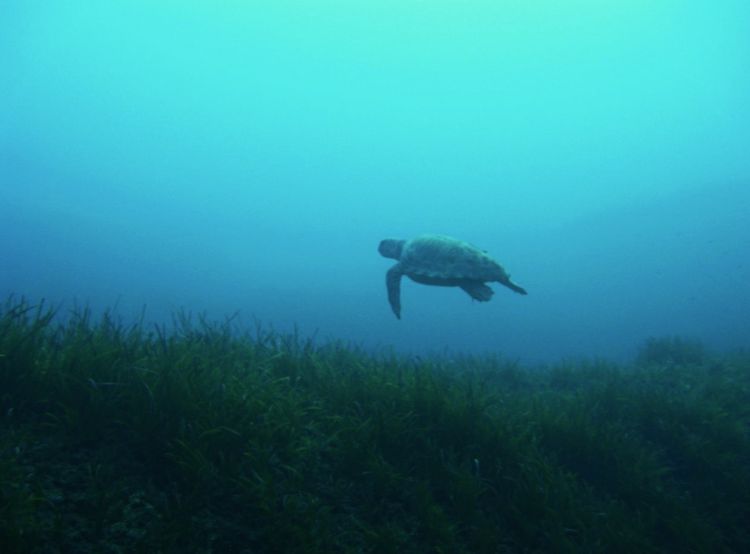
How to build a safer trip
The best Malta dive trips are usually the least stubborn ones. Start with a check dive or an easier site, get used to the entries, see how the group is actually performing, then build into the bigger dives. That works far better than arriving with a rigid list of famous sites and trying to force them one after another.
- First dive: settle in, check weighting and get a feel for Malta-style entries.
- After that: step up only when the group is genuinely ready, not just excited.
- Keep some slack: good Malta planning always leaves room for site changes.
- Best attitude: if the operator changes the plan, assume they are improving the day, not spoiling it.
Need a practical Malta base for a dive trip?
The ManicMalta site sponsor is a short-let apartment in Gzira. It suits divers who want to stay in Malta proper and day-trip to dive areas rather than book a resort-style stay.
Useful related reads
- Malta shipwreck diving guide
- Scuba diving in Malta: a primer to the best underwater adventures
- Food in Malta
FAQ
What is the most common scuba diving mistake in Malta?
Usually underestimating the entry and exit. Many visitors think mainly about the underwater part and not enough about the rocky approach, especially on exposed shore dives.
Is Malta good for beginner divers?
Yes, but only with sensible site choice. Malta has beginner-friendly dives, but it also has popular sites that are deeper, rougher or more exposed than new divers expect.
Do I need a guide to dive in Malta?
Not always, but many visitors benefit from one on unfamiliar, deeper or more exposed sites. Also, if your certification does not allow you to dive to 30m, Maltese rules mean you are not considered an independent diver and must be accompanied by a licensed instructor.
Is the water cold in Malta?
It can be. Winter sea temperatures can drop to around 14C, and deeper or repeated dives can feel colder than visitors expect even outside the coldest period.
Is boat traffic a real issue for divers in Malta?
Yes, especially around busier periods and popular areas. Use an SMB where appropriate and follow the ascent and surfacing briefing properly.
Should I pre-book every dive site before I arrive?
No, not too rigidly. Malta diving works better when you leave room for operators to adapt to wind, swell and coast choice.
Is Gzira a sensible base for a diving holiday?
Yes, if you want a practical Malta base with food, seafront access and the option to day-trip to dive areas rather than staying right beside one centre.
Stay in Gżira near the promenade
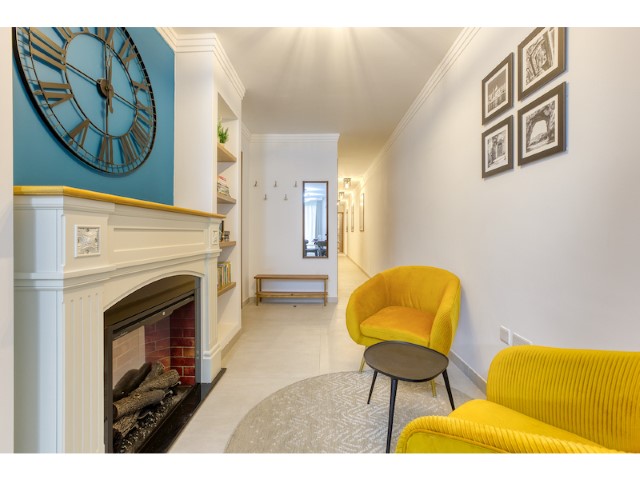
A designer 2-bedroom apartment in Gżira, close to the church, around 2 minutes from the promenade, and near Manoel Island.
View on Airbnb