
Most “best European destinations” lists are too broad to be genuinely useful. They throw mountain escapes, city breaks, luxury marinas, quiet islands, and wine regions into one big ranking, as if they are all competing for the same traveller. This guide takes a more practical approach. Start with the kind of trip you actually want, then see where Malta really earns a place on the shortlist and where it does not.
TL;DR – THE 30-SECOND VERSION
This guide helps you choose between 20 strong European destinations by trip type, while showing where Malta genuinely stands out and where another place is the better fit.
- Best all-round short break: Malta is one of Europe’s strongest picks if you want history, sea access, ferries, food, and short travel times in one trip.
- Best for pure art and architecture: Florence is stronger if museums, churches, and Renaissance heritage matter most.
- Best for green scenery and hiking: Madeira is the better specialist choice.
- Best for big-city energy: London wins on scale, nightlife, theatre, and neighbourhood variety.
- Best for polished luxury: Monaco and Marbella fit better if glamour is the main goal.
- Best for shoulder season and winter sun: Malta stays useful well beyond peak summer.
Malta is for you if…
- you want a compact Mediterranean trip that still feels full
- you like the idea of sea views one day and a history walk the next
- you want flexibility without spending half the holiday in transit
Malta is not for you if…
- you want huge mountain scenery, glaciers, or deep wilderness
- you want a giant metropolitan nightlife scene on the scale of a major capital
- you want one specialist experience above all else, such as world-class museums or lush hiking terrain
Jump to
How to use this guide
The mistake many travellers make is starting with prestige instead of fit. A luxury marina weekend, an art-heavy city break, a slow island holiday, and a hiking trip are not competing on the same terms.
This guide fixes that by grouping destinations by the kind of trip they are actually good at. Malta sits near the centre because it covers more ground than many people expect: old cities, harbours, swimming, ferry hops, layered history, diving, and a travel window that works well beyond peak summer.
Quick decision table
On mobile, this is the fastest way to narrow the field before reading the full breakdown.
| If you want… | Start with… | Why it works | Malta’s edge |
|---|---|---|---|
| A compact Mediterranean trip with range | Malta | Sea, old cities, ferries, food, history, and short travel times all work well together. | This is where Malta is hardest to beat. |
| Pure art and architecture | Florence | Few places match its concentration of museums, churches, and Renaissance heritage. | Malta has rich local history, but not Florence-level museum density. |
| Big-city culture and nightlife | London | Theatre, neighbourhood variety, shopping, and scale make it a classic urban break. | Malta is much easier to cover in a few days and lighter on logistics. |
| Green scenery and hiking | Madeira | Levada walks, mild climate, and outdoor terrain are its strongest cards. | Malta gives you more urban history and sea-facing culture, but not the same landscape drama. |
| Luxury polish and glamour | Monaco or Marbella | These work better if marina luxury, shopping, golf, and 5-star ease are the whole point. | Malta usually feels more layered and lived-in, which many travellers prefer over time. |
| A slower wine or food escape | Champagne | Vineyards, gourmet experiences, and a quieter indulgent pace define the trip. | Malta offers more contrast in the same itinerary, even if wine-country romance is not its main strength. |
| Remote natural drama | Faroe Islands or Reykjavik | These suit travellers who want weather, cliffs, geothermal landscapes, or real remoteness. | Malta is warmer, easier, and more flexible, but it is not the right pick for wilderness-scale scenery. |
| A quieter island rhythm | Thassos or Ponza Island | These are better if tranquil beaches and simpler days matter most. | Malta is denser and busier, but that is also why it gives you more to do if plans change. |
Suggested image: Valletta and the Grand Harbour from an elevated bastion viewpoint.
Suggested alt text: Panoramic view over Valletta bastions and the Grand Harbour in Malta showing historic stone architecture, harbour water, and dense urban skyline.
When to skip Malta
Malta is not the right answer for every traveller. Saying that openly makes the shortlist more useful.
You should probably skip Malta if one of these is the non-negotiable point of the trip:
- Huge green landscapes and serious hiking terrain: Madeira will fit better.
- World-class museum density and Renaissance prestige: Florence is the stronger specialist choice.
- A giant city with huge theatre, shopping, and nightlife scale: London is the better answer.
- Remote cliffs, weather drama, or geothermal spectacle: Reykjavik or the Faroe Islands fit that mood better.
- A very quiet island holiday with minimal urban density: Thassos or Ponza may suit you better.
20 best European destinations in 2026, grouped by the kind of trip you actually want
This keeps the original “best European destinations” idea, but makes it more practical. The point is not to force 20 places into one fake ranking. It is to show what each destination is genuinely good at and who it really suits.
If you want a compact Mediterranean trip that does more than one thing
Who this is really for: the couple, small group, or first-time Mediterranean traveller who wants dinner by the sea one night and a history-heavy day the next without renting a car or wasting hours in transit.
Malta. Malta is one of the most adaptable destinations on this list. You can combine harbours, old cities, swimming, diving, good food, and short travel times in one manageable trip. Valletta, Sliema, and Gżira sit close enough to create a harbour area that is easy to use as a base, while the rest of the islands adds beaches, ferry hops, and more historical depth.
Sicily, Italy. Sicily offers many of the same ingredients as Malta, just spread across a much larger map: sea, conquest layers, archaeology, island character, and strong food culture. If you have more time and want scale, Sicily pulls ahead. If you have fewer days and want the trip to stay manageable, Malta usually makes more sense.
Porto-Vecchio, Corsica, France. Porto-Vecchio works well for clear water, strong local identity, and a mix of culture and nature. Malta becomes the better answer when the trip also needs more urban texture and more obvious historical sightseeing.
Piran, Slovenia. Piran is charming, walkable, and easy to like, with Venetian architecture and a pretty Adriatic setting. Malta is less neat, but more layered once you want the trip to do more than orbit one picturesque town.
Thassos, Greece. Thassos suits travellers looking for tranquil beaches, greener scenery, and a simpler island rhythm. Malta is denser and more urban, but that is also why it works better as an island holiday that can double as a city break.
Ponza Island, Italy. Ponza is the more secluded pick, built around boat trips, coves, and local seafood. It works if peace and quiet are the point. Malta gives you more layers and more fallback options if the trip needs variety.
If you want culture, architecture, and city-break substance
Who this is really for: the traveller who wants museums, old streets, landmark buildings, and the sense that the trip has historical weight rather than just good weather.
Florence, Italy. Florence remains one of Europe’s clearest choices for art, architecture, Renaissance heritage, and a romantic city break. Malta does not beat Florence for museum density. It competes by offering a broader mix of history and sea access within the same trip.
London, United Kingdom. London earns its place through diverse neighbourhoods, shopping, musicals, and iconic landmarks. Malta makes more sense when the traveller wants something shorter, warmer, and easier to cover in a few days.
Siena, Italy. Siena is slower and more concentrated than Florence, with medieval charm, history, and a strong sense of place. Malta cannot give you Tuscan inland calm, but it can give you city history and open water in the same holiday.
Riga, Latvia. Riga is stronger than many casual travellers expect, thanks to its historic centre, Art Nouveau architecture, and growing food scene. Malta is easier to recommend to mixed-interest groups because the trip can shift more easily between history, coast, and practical day planning.
Geneva, Switzerland. Geneva brings polished lakeside scenery, diplomatic weight, and an easy city break format. Malta is less tidy and less polished, but more textured for travellers who want coastline, older urban fabric, and stronger contrast inside a short trip.
If you want scenery, weather, or a stronger outdoors pull
Who this is really for: the traveller whose first question is not “where should we eat?” but “what does the landscape feel like?”
Madeira, Portugal. Madeira is the better specialist choice if the trip is mainly about mild climate, hiking trails, and outdoor terrain. Malta answers a different need: less mountain scenery, more urban access, and more history by the sea.
Reykjavik, Iceland. Reykjavik belongs here because some travellers want nature, geothermal drama, and a completely different climate mood. Malta is the warmer, older-stone, easier-moving alternative.
Faroe Islands. The Faroes are for spectacular landscapes, hiking, birdwatching, and a setting that feels remote and weather-driven. Malta is simply the easier, warmer, more flexible choice for a European break that still feels varied.
Newquay, Cornwall, UK. Newquay brings surfing, family activities, and a British coastal atmosphere. It works when the coast is the main event. Malta is broader once you want beaches, history, ferries, and city texture in the same trip.
If you want polish, atmosphere, or a more curated escape
Who this is really for: the traveller who wants a trip with a stronger mood, cleaner visual identity, or a more obviously indulgent rhythm.
Monaco. Monaco is the clean luxury-weekend answer on this list, built around glamour, safety, gastronomy, nightlife, and marina spectacle. Malta is less manicured and more lived-in, which is exactly why many travellers find it more interesting after the first impression.
Marbella, Spain. Marbella earns its place for 5-star luxury, golf, cuisine, shopping, and polished resort energy. Malta is less about one perfect lifestyle lane and more about range.
Cap Ferret, France. Cap Ferret fits travellers who want simplicity, oyster tasting, lighthouse views, and a slower coastal mood. Malta is busier and denser, but also more varied.
Sirmione, Italy. Sirmione works because the appeal is immediate: a medieval castle, Lake Garda scenery, and easy romance. Malta is less postcard-perfect at first glance, but often becomes more interesting once you start moving between different parts of the islands.
Champagne Wine Region, France. Champagne belongs on a serious list because vineyards, wine tours, and quiet gourmet travel are legitimate trip goals in their own right. Malta is stronger when you want more movement, more coastline, and more different days inside the same itinerary.
Batumi, Georgia. Batumi is the outsider here: affordable, unusual, and culturally layered, with a subtropical feel that sets it apart. Malta is still the easier recommendation for travellers who want a classic Mediterranean short break with fewer planning unknowns.
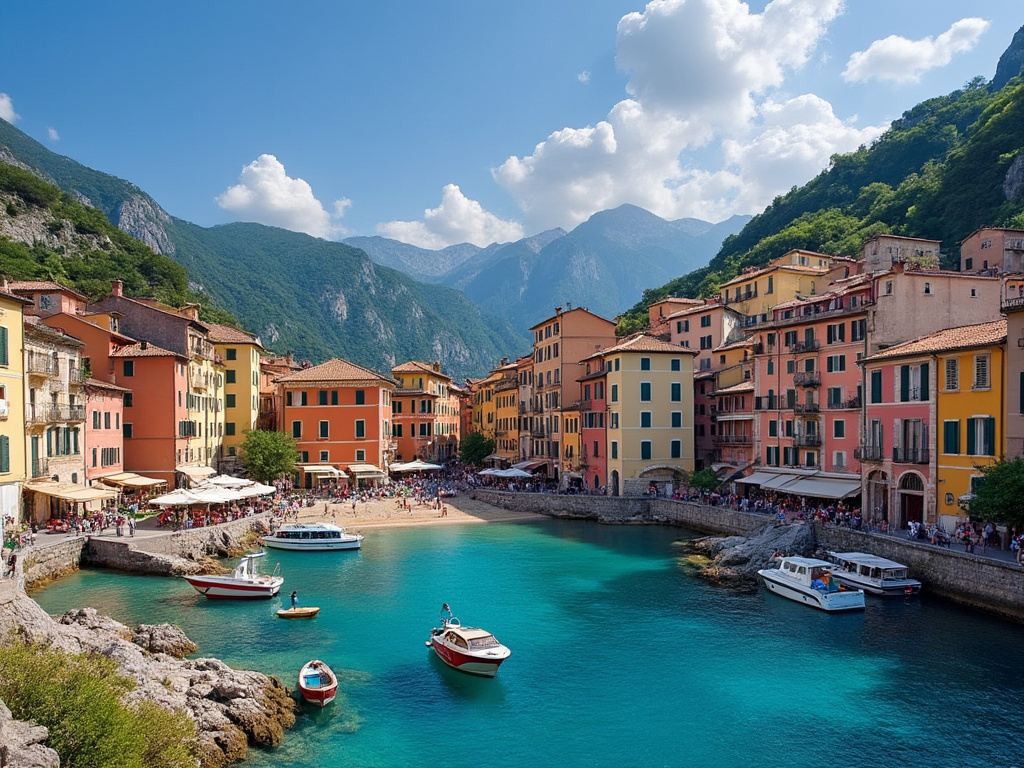
Suggested image: A Malta harbour scene that shows both heritage and water access, such as the Three Cities facing the Grand Harbour.
Suggested alt text: Historic Three Cities waterfront in Malta with stone buildings, harbour water, and ferry-linked urban access showing Malta’s mix of heritage and coastal practicality.
If Malta makes your shortlist
Once Malta is on your shortlist, the next decision is not really whether to go. It is which version of Malta you want.
If you are still working out the basics, start with Where is Malta?. If you are already thinking about neighbourhoods and daily rhythm, jump straight to Where to Stay in Malta. If food helps you decide faster than maps do, go to Food in Malta and plan the first evening properly.
- If beaches and swimming are doing most of the work, use Map of Beaches in Malta and the Complete Guide to Comino and Cominotto.
- If you want the harbour-and-history side of the islands that many first-timers miss, go to Three Cities.
- If you are planning outside peak summer, read Weather in Malta by Month, Malta in February, and Malta in March 2026.
- If the trip is already becoming more specialized, use Malta Shipwreck Diving Guide, Scuba Diving in Malta, Remote Work from Malta, and Is Malta Safe?.
- If you are choosing between nearby island styles, the direct comparison in Malta vs Sicily is the logical next read.
FAQ
Is Malta really one of the best European destinations for a short break?
Yes. Malta works unusually well for short breaks because old cities, sea access, ferries, food, and major sightseeing areas sit close together.
When does Malta make more sense than Sicily?
Malta usually makes more sense than Sicily when you have less time, want shorter travel distances, or want a trip that feels dense without a car-heavy itinerary.
Is Malta mainly a summer destination?
No. One of Malta’s advantages is that it stays useful outside peak summer, especially for shoulder-season travel and winter-sun planning.
Which part of Malta suits first-time visitors best?
That depends on the trip style, but Valletta, Sliema, and Gżira are often the easiest starting points because they combine harbour access, transport links, and walkable urban life.
When should you skip Malta?
Skip Malta if your non-negotiable priority is huge green hiking terrain, giant-city nightlife, world-class museum density, or wilderness-scale scenery.
Is Malta good for divers and remote workers?
Yes. Malta is strong for both diving and remote work, which is one reason it adapts better than many single-purpose European destinations.
Final word
There is no universal winner among the best European destinations in 2026. There are only destinations that fit particular travellers, seasons, and moods better than others.
Malta deserves to rank higher in that conversation than generic roundups usually allow. Not because it is better at everything, but because it is better than most at combining several good things into one very workable trip.
Last updated: March 2026.
Stay in Gżira near the promenade
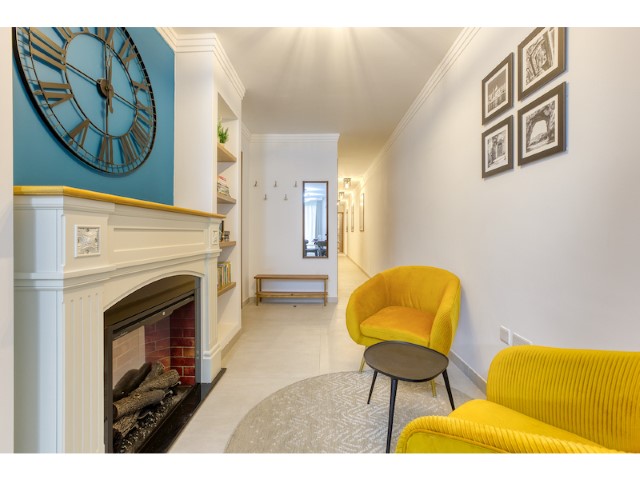
A designer 2-bedroom apartment in Gżira, close to the church, around 2 minutes from the promenade, and near Manoel Island.
View on Airbnb