
1. How Senglea Went from Hunting Ground to Fortress City
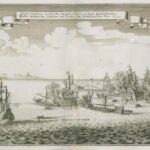
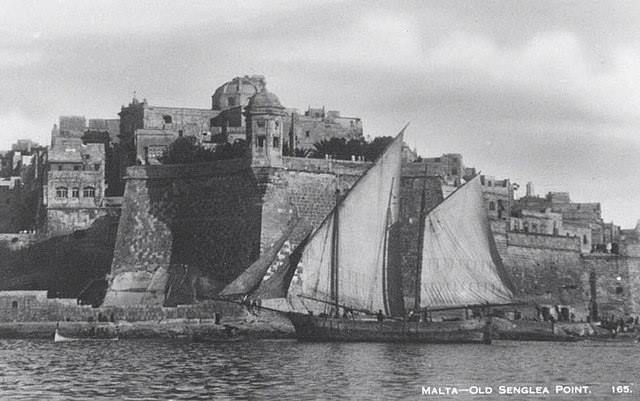
Before the Knights of St. John showed up, the peninsula where Senglea sits was just a rocky hunting ground called Isola di San Giuliano. The only structure was a small chapel dedicated to St Julian — patron saint of hunters — built around 1311. That chapel was the first building ever constructed on what would become one of Malta’s most fought-over pieces of real estate.
Everything changed after an Ottoman raid in 1551 that exposed how poorly defended the Grand Harbour was. Grand Master Claude de la Sengle saw that this peninsula could plug a dangerous gap in the harbour’s defences. The key dates came fast:
• 8 May 1552 — foundation stone of Fort St. Michael laid, designed by architect Pedro Pardo
• 1553 — fort completed; the entire peninsula begins to be ringed with bastions
• Late 1550s — city status granted, named Senglea after the Grand Master who built it
• Grid street plan laid out — the first planned settlement in Malta since the Roman era
Residents poured in from overcrowded Birgu across the creek — you can still see the original grid today if you look down from the Gardjola watchtower or any high vantage point. Those fortifications are now on Malta’s tentative list for UNESCO World Heritage status, submitted in 1998 as part of the Knights’ Fortifications around the Harbours of Malta. In the words of military historian Quentin Hughes, the harbour fortifications represent “a monumental heritage… for sheer concentration and majesty quite unmatched.” I’ve walked these bastions dozens of times and that assessment doesn’t feel like exaggeration.
The Great Siege of 1565
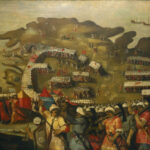
Senglea’s title as “Civitas Invicta” — the Unconquered City — isn’t ceremonial fluff. It was earned during the Great Siege of 1565, when roughly 40,000 Ottoman troops tried to take Malta from a garrison of Knights and Maltese fighters who were outnumbered roughly four to one. Fort St. Michael and Senglea’s bastions absorbed wave after wave of assault for three months. Fort St. Angelo on Birgu’s side provided covering fire, while the Ottomans made the fateful decision to concentrate on Fort St. Elmo first — a decision that cost them five weeks and thousands of men before the main assault on Senglea even began.
Grand Master Jean Parisot de Valette awarded Senglea its title after the Ottomans retreated. The military tactics used during the siege are worth reading about separately — the Knights’ use of wildfire, chain booms, night raids, and swimming parties to sabotage Ottoman ships makes for quite a story. If you want to understand how the Ottoman Empire’s expansion led to the siege, or what happened to the Maltese people during and after it, I’ve covered both elsewhere on the site.
French Occupation and Blockade
When Napoleon’s forces occupied Malta in 1798, the Three Cities became the centre of Maltese resistance. The locals blockaded the French forces into their garrisons — a stubborn, drawn-out affair whose military tactics foreshadowed the eventual French surrender in 1800.
British Era, the Dockyard, and WWII
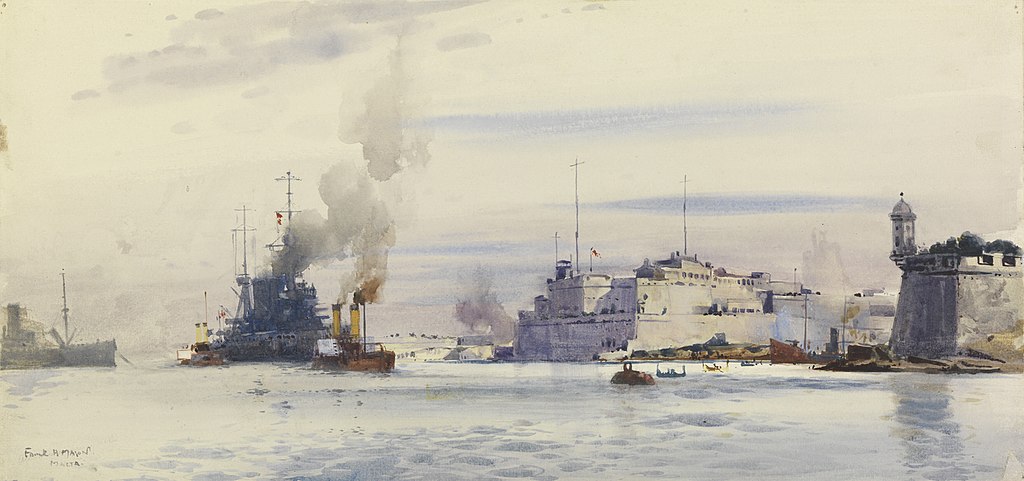
Under British rule, Senglea’s dockyard — originally built by the Knights — was expanded into a major Royal Navy facility. The harbour’s shipbuilding docks made Senglea the most prosperous of the Three Cities by the 18th century, and at the turn of the 20th century the city had over 8,200 residents crammed into half a square mile — the most densely populated town in Europe at the time. The Three Cities were where Malta’s leading families, academics, clergy, and politicians lived — the social centre of the island before the war reshuffled everything.
That prominence painted a massive target on Senglea during World War II. On 16 January 1941, a Luftwaffe blitz aimed at HMS Illustrious, docked at nearby Corradino, killed 21 people and destroyed most of the city’s buildings including the Basilica. When King George VI visited on 20 June 1943, he found Senglea in ruins. Many residents who fled never came back, fundamentally changing the city’s social fabric. The rebuilt Basilica wasn’t consecrated until 1957 — sixteen years later. You can read more about Malta’s strategic role in WWII for the broader picture.
2. What to See in Senglea
Senglea Gate and Fort St. Michael
You enter Senglea through St Anne’s Gate, part of the Knights’ original fortifications and one of those moments where Malta’s layered history hits you all at once. Fort St. Michael, which bore the brunt of Ottoman attacks in 1565, was partly demolished in 1921, but the base of its cavalier survives. Key things to look for:
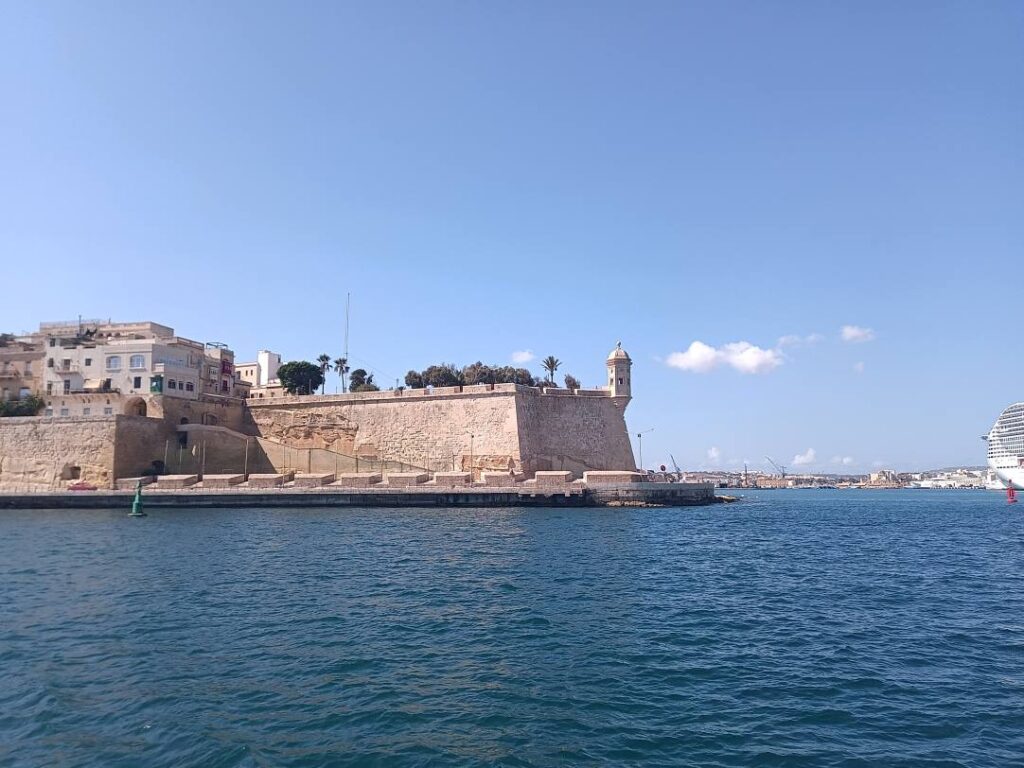
• The St. Michael Bastion with its large échauguette (corner watchtower)
• The clock tower that now sits where the fort’s cavalier once stood
• The walls themselves — when you walk through the gate, look at how thick they are. TripAdvisor reviewers keep mentioning this, and they’re right
• The fortifications were included on Malta’s Antiquities List in 1925 and are part of the National Inventory of Cultural Property
Basilica of the Birth of Our Lady (Marija Bambina)
This is the spiritual heart of Senglea and a pilgrimage site for Maltese from across the island. The original church was built around 1580, likely by architect Vittorio Cassar (son of the famous Girolamo Cassar who designed much of Valletta). What you see today is the post-WWII reconstruction, consecrated in 1957. Here’s what to look for inside:
• The wooden statue of Mary known as “Il-Bambina,” carved around 1618, painted in 1631 and gilded — the sculptor is still unknown. The crown contains diamonds and precious stones, surrounded by four silver angels added in 1934. Paraded through the streets every 8th September
• The Oratory next door, housing the miraculous statue of Jesus Christ the Redeemer (Ir-Redentur tal-Isla) — a major pilgrimage draw
• The church facade, inscribed with the names of Knights who fell defending the island — take a moment to read some of them
• A library of 17th-century manuscripts, including a diary by Francesco Saverio Baldacchino covering the final years of the Knights, the French occupation, and early British rule
• Four busts inside: Grand Master La Sengle, the symbol of Senglea, Pope Benedict XV, and Archbishop Mauro Caruana. The columns display 16 saints connected to Maria — four Evangelists, four popes, four Doctors of the Church, and four founders of Christian orders. The church also houses seven bells
Gardjola Gardens and the Gardjola Watchtower
At the very tip of the peninsula, Gardjola Gardens gives you panoramic views across to Valletta, the Grand Harbour, and Fort St. Angelo that are genuinely hard to beat anywhere on the island. The Gardjola watchtower (vedette) is the centrepiece — a stone sentry box with an eye and an ear carved into it, symbolising the eternal vigilance of Malta’s defenders. It’s become one of Malta’s most photographed icons, and I’ve seen it reproduced on everything from tea towels to tattoos.
The gardens sit on the Upper Spur Battery, part of the original fortifications, with well-preserved artillery positions. If you look carefully at the peninsula’s tip, you can spot markings showing the cave where the Knights stored harbour defence chains. There are free public toilets and a drinks machine here — worth knowing about, since options are limited elsewhere in Senglea. A few things TripAdvisor reviewers flag that are also worth knowing:
• Noon cannon: If you’re here at 12pm, you can watch the Upper Barrakka saluting battery fire across the harbour — one of the best vantage points for it
• Weddings: The gardens are a popular wedding venue, so they’re occasionally closed to the public without warning
• Summer heat: The gardens suffer in midsummer — there’s some shade from trees and benches, but it gets hot. Spring and autumn are much more pleasant
• Wind: The peninsula tip is exposed — bring a layer if it’s breezy
Il-Maċina (Sheer Bastion)
This wedge-shaped bastion at the Dockyard Creek end of Senglea housed something unusual: a massive masting crane (maċina, from the Italian “macchina”) that hoisted masts and lowered them into galleys moored below. The timeline is interesting:
• 1554 — original wooden sheer-legs built
• 1864 — replaced by a heavier iron structure
• 1927 — while being dismantled, the crane fell into the sea, creating a wave reportedly 35 feet high — the Daily Malta Chronicle covered it at the time
• Today — home to the Cugó Gran Macina, a five-star boutique hotel with a rooftop pool. You can still see the old cast iron hinges on the masonry plinth if you look carefully from the harbour ferry.
St. Philip’s Church (Porto Salvo)
At the far end of the peninsula, St. Philip’s Church was first built in 1596 by initiative of Senglea’s second parish priest, Fr Vincenzo Caruana, and rebuilt in 1690. It passed through the hands of the Oratorians, then the Jesuits, and is now run by the Salesians. Two bits of local trivia: St. Philip’s was the first community kitchen established in Malta, and it’s the traditional founder of the Grand Harbour Regatta. If you’re visiting around Easter, this is one of the churches involved in the traditional processions.
While you’re in this area, keep an eye out for St. Julian’s Chapel — the oldest structure on the peninsula, originally built in 1311 when this was still a hunting ground. It was rebuilt in 1539 by Fra. Diego de Malfreire of the Langue of Castile and Portugal, and a third time in 1712 to a design by architect Lorenzo Gafà (who also designed the Mdina Cathedral dome). Not a major stop, but knowing it’s here gives you a sense of how long this peninsula has been used.
3. Art and Monuments
• Art by the Seaside Gallery — Opened in 2021, showing work from local and international artists in a waterfront setting. Worth a look if it’s open. If you’re interested in Maltese art more broadly, the Mattia Preti article covers one of the island’s most important painters.
• Charles Clews Monument — A nod to Charles Clews (1919–2009), Senglean-born comedian and national cultural icon. In Gardjola Gardens.
• Vitorin Galea Memorial — Also in Gardjola Gardens, honouring a prominent local figure.
• Monument to Pope Benedict XV — In Misraħ il-Papa Benedittu XV, recognising the Pope who elevated the parish church to Basilica status in 1921.
• Madonna tan-Nofs — Halfway down Victory Street, this statue of the Madonna was erected after Senglea escaped the plague of 1813. Most tourists walk straight past it — knowing the story changes how you see the street.
• Senglea World War II Memorial — On Triq il-Vitorja, unveiled 5 September 1991 to mark the 50th anniversary of the Luftwaffe bombing. Commemorates local victims of both World Wars.
• The Eight Passion Statues — Eight life-size 18th-century statues depicting scenes from the agony of Christ, scattered through the streets. Carried in Easter processions — one of the most atmospheric things you can witness in Malta.
• Upper Spur Battery (The Spur) — Seaward bastion facing Valletta with a reconstructed échauguette and well-preserved artillery positions. Its top is now the public garden.

4. Walking Senglea’s Streets
The peninsula is only about 823 metres from gate to tip, so you can walk the entire city comfortably in an hour or two — though you’ll probably want longer. The grid street plan the Knights laid out is still intact, adapted to the shape of the headland, with narrow alleys and steep stairways connecting the upper streets to the waterfront below.
Victory Street (Triq il-Vitorja) is the main spine running from the gate to the peninsula’s tip. It’s lined with traditional Maltese balconies — the colourful enclosed wooden ones, sometimes called “gossip balconies” locally — niche statues of saints at practically every corner, and a handful of tiny local shops. Fair warning: between noon and 4pm, most of those shops close for siesta, especially in summer. I’ve made that mistake more than once.
The Waterfront and Marina — Several streets have steps leading down to Senglea’s most striking area. The promenade along the harbour, with the Birgu yacht marina on one side, is where you want to be in the evening. The city was once nicknamed “Piccola Venezia” (Little Venice) for its homes along the coast, though the sight of traditional Maltese dgħajsa boats quickly reminds you where you are. The waterfront along Xatt Juan B. Azopardo is named after Senglea’s most internationally famous son (more on him below).
Sally Port Tunnel — Accessible from Gardjola Gardens, this historical passage leads down through the fortifications to the seafront and marina. It was originally an escape route during sieges — part of the layered defensive thinking that made these fortress cities so hard to take. Today it drops you out at the water’s edge with views back up at the bastions above.
5. Famous Sengleans You’ve Probably Never Heard Of
For a city of under 3,000 people, Senglea has turned out a surprising number of people who made their mark far beyond Malta:
• Juan Bautista Azopardo (1772–1848) — Born Ġann Patist Azzopardi in Senglea, trained as a naval architect in Toulon, served as a privateer under Dutch and Spanish flags, and in 1810 was given command of three vessels that became the first Argentine Navy. Fought at the Battle of San Nicolás (1811), was captured, imprisoned in Ceuta alongside the Inca Juan Bautista Túpac Amaru, and eventually returned to Argentina as a hero. His bust sits on the Senglea waterfront. A street in Buenos Aires, a naval base, and a lighthouse in Patagonia carry his name. If you’re into Malta’s piracy and corsair history, Azopardo fits right in.
• Ignazio Panzavecchia (1855–1925) — Elected as Malta’s first Prime Minister in 1921 under the first Self-Government Constitution. Declined the position because of his ecclesiastical status.
• Andrea De Bono (1821–1871) — Explorer of both the River Nile and the Sobat River in East Africa.
• Francesco Zahra (1710–1773) — One of Malta’s most important painters, whose work appears in churches across the island.
• Louis Shickluna (1808–1880) — Emigrated to Canada and built over 140 ships between 1838 and 1880. Senglea bred people who knew their way around a hull.
6. Annual Events and Festivals
Senglea Feast Day and Il-Bambina (8th September)
The 8th of September is the biggest day in Senglea’s calendar — commemorating both the victory over the Ottoman siege and the city’s devotion to the Madonna. The Marija Bambina statue is carried in procession, accompanied by fireworks, street decorations, band marches, and the kind of crowd energy that’s hard to describe until you’ve been in the middle of it. Pope John Paul II visited Senglea in May 1990, a visit the locals still talk about. If you’re planning around Malta’s village festa calendar, the Senglea festa is one of the most intense. See also the Malta cultural events calendar.
Grand Harbour Regatta (31st March and 8th September)
Traditional dgħajsa rowing races held on Freedom Day and Victory Day. The Regatta dates back to the Middle Ages and has been a professional sport in Malta since 1955. Senglea is one of the main contenders. In 2010, Senglea won a European Destinations of Excellence (EDEN) award for aquatic tourism — partly on the strength of this event and the marina revival.
Maritime Senglea Festival — A newer September festival celebrating Senglea’s connection to the sea with live music, traditional food, and exhibits. Less formal than the feast, more of a street party.
See more: Unique Experiences in the Three Cities
Guided Tours Worth Knowing About
If you’d rather have someone tell you the stories while you walk, two options stand out:
• “The Dark Side of Senglea” walking tour — A 2-hour evening tour run by Mario, an ex-BBC journalist who digs up stories from dusty archives and old newspapers. Covers murders, mermaids, moving Madonnas, and the day a “dragon” flew into the Grand Harbour. Rated 5/5 on TripAdvisor with reviewers calling him one of the best storytellers on the island. Starts at the car park opposite The Little Bastion restaurant. Involves stairs — needs average fitness. Book via GetYourGuide.
• Three Fortified Cities Half Day Tour — If you want Senglea plus Birgu and Cospicua with a guide and boat trip included. Popular on TripAdvisor and frequently listed as a “likely to sell out” experience. Good option if you’re short on time or want the full Three Cities context without self-navigating.
7. Eating and Drinking in Senglea
In the evening, the waterfront fills up with open-air dining. The restaurants and kiosks attract a solid local crowd alongside visitors — always a good sign. Options worth knowing:
• Enchanté — Seasonal food on the water’s edge, excellent pizza as backup. Open daily 12–3:30pm and 6:30–10:30pm. 📍 Map
• Il-Hnejja — Excellent seafood and pasta. If you eat one meal in Senglea, this is a strong candidate. Closed Mondays. 📍 Map
• Le Regatta — Mediterranean seafood with harbour views.
• Aroy-D — Asian-inspired dishes, a change of pace if you’ve been eating Maltese all week.
• Date Art Cafe — Cozy, artistic spot just outside Senglea proper. Good for coffee and lighter meals.
The evening views of illuminated Valletta and Fort St. Angelo from the waterfront are genuinely special. Locals and visitors sit together at the kiosks with a glass of local wine, and the atmosphere is warm without being forced. If you want to explore Maltese wine beyond the usual tourist picks, ask what’s local at any of these places.
See more: Where to eat in the Three Cities
8. Getting to Senglea
Ferry from Valletta (recommended)
The Valletta Ferry Services catamaran runs every 30 minutes from the Lascaris ferry landing. Key details:
• Crossing time: ~10 minutes to Cospicua/Bormla, then a short walk to Senglea
• Cost: €1.50 single / €2.80 return — free with a tallinja card
• Bonus: return ticket includes a free ride on the Barrakka Lift
• Winter hours: last ferry ~7pm. Summer (June–Oct): late service until midnight
• 📍 Valletta Ferry terminal map
I’ve found the ferry to be the most enjoyable way to arrive — you get a proper sense of the Grand Harbour’s scale from the water, and it beats sitting in traffic on the bus for twice the time.
Traditional Dgħajsa (Water Taxi)
For something more atmospheric, the traditional Maltese water taxis operate from the dock next to the Valletta ferry terminal. The ride takes about 30 minutes with commentary. Expect to pay around €10 per person — more of an experience than a commute.
Bus
Routes 1, 2, 3, 4, 124, and 213 stop at the “Isla” bus stop. Journey 20–30 minutes from Valletta depending on traffic. The Hop-On-Hop-Off Southern Route also covers the Three Cities. For the full picture on Malta’s transport, see the getting to Malta guide, and if you’re wondering about whether to rent a car — not for the Three Cities. Parking is a headache.
See more: Getting to the Three Cities
9. Where to Stay in Senglea
• Cugó Gran Macina — Five-star boutique hotel in the historic Sheer Bastion. 21 suites, vaulted limestone ceilings, rooftop pool, marina views. Not cheap, but the setting is extraordinary. 📍 Map
• Senglea Suites — More accessible option with good marina views and proximity to everything.
Staying in Senglea rather than Valletta gives you quieter evenings, a more local feel, and easier parking. For a broader comparison, see the where to stay in Malta guide or the hotel vs Airbnb comparison.
10. Walking Itinerary: Gate to Waterfront in 2.5 Hours
This route covers everything in logical walking order with no backtracking — gate to tip, then down to the waterfront. Total distance: about 1.5 km including detours. Allow 2.5–3 hours with stops and lunch.
Best day: any day except Monday (Il-Hnejja is closed). Best time: start around 10am to hit the waterfront for lunch. Wear: comfortable shoes — there are cobblestones and some steep steps. Bring: water and sun protection (limited shade outside the gardens and churches).
Stop 1: St Anne’s Gate and Fort St. Michael (10 mins)
Malta history context · 📍 Map
Enter through the gate. Look up at the St. Michael Bastion and the échauguette. The clock tower marks where the fort’s cavalier once stood. Open 24/7, free.
Stop 2: Basilica of the Birth of Our Lady (20–30 mins)
Great Siege context · 📍 Map
Just inside the gate on Triq il-Vitorja. See the Il-Bambina statue (gilded, with a diamond-studded crown), the Oratory with the Redeemer, and the Knights’ names on the facade. The Basilica is active — dress respectfully (covered shoulders, no shorts). Closed at lunchtime — this catches people out. Best mornings before noon or late afternoon; free.
Stop 3: Victory Street — walk south toward the tip (15 mins)
📍 Map
The main spine of the city. Look for the Maltese balconies, street-corner niche statues, and the Madonna tan-Nofs statue halfway down (erected after the 1813 plague). Tiny shops on both sides — open mornings only.
Stop 4: St. Philip’s Church (10 mins)
📍 Map
At the far end of Victory Street. The first community kitchen in Malta and birthplace of the Grand Harbour Regatta. Open limited hours (mornings 7:45–9am; evenings 5:30–7pm). Worth a quick look if the timing works; don’t detour specially.
Stop 5: Gardjola Gardens and Watchtower (20–30 mins)
📍 Map
The peninsula’s tip. This is the highlight — views of Valletta, Fort St. Angelo, and the open harbour. Find the eye-and-ear carvings on the watchtower, the Upper Spur Battery artillery positions, and the chain cave markings. Timing tip: if you’re here at noon, you can watch the Upper Barrakka saluting battery fire across the harbour. Free toilets and drinks machine. Free; open daylight hours — occasionally closed for weddings without notice. Check if the maintenance closure has ended.
Stop 6: Sally Port Tunnel — descend to waterfront (10 mins)
From the gardens, take the Sally Port tunnel down through the fortifications to the marina level. The entrance is at the south side of Gardjola Gardens. 📍 Map (Gardjola Gardens entrance). Steep stairs — watch your footing. You’ll emerge at the waterfront promenade.
☕ Coffee break / 🍽️ Lunch: Senglea Waterfront (45–60 mins)
📍 Map
You’ve been walking about 90 minutes — time to sit. Enchanté for a proper lunch (opens 12pm), or Il-Hnejja for seafood (opens 11:30am, closed Mondays). Lighter option: grab a coffee and pastizz from one of the kiosks. The waterfront has views of Birgu, Fort St. Angelo, and the yacht marina.
Stop 7 (optional): Art by the Seaside Gallery (15 mins)
📍 Map
On the waterfront promenade. Small gallery, varied exhibitions. If it’s open and you have energy, pop in. If museum fatigue has set in, skip it — you’ve already seen the best of Senglea.
Stop 8 (optional): Walk the waterfront to Il-Maċina (15 mins)
📍 Map
Continue along the promenade toward the Cugó Gran Macina hotel at the Dockyard Creek end. Look for the cast iron hinges on the old bastion plinth — remnants of the famous crane. From here, the ferry terminal at Cospicua is a 5-minute walk for the return to Valletta. Or cross the footbridge to Birgu and keep going.
11. Practical Tips
• Walking distance: 823 metres gate to tip. Budget 2+ hours minimum.
• Siesta: shops close noon–4pm, especially in summer.
• Parking: tight and fills fast. There’s a small car park right next to the Main Gate — arrive early or park in Cospicua and walk in.
• Bolt/Uber: both work in Senglea for pickup if you don’t want the ferry back.
• Shoes: cobblestones and steep steps — check the Malta packing list.
• Accessibility: stairs to the waterfront are manageable, but they’ll be a problem for anyone with serious mobility issues. Reviewers with accommodation in Senglea also warn about lots of stairs in older buildings — ask before booking.
• Ferry cancellations: the ferry doesn’t run in very rough weather — check the Valletta Ferry Services website or Facebook before heading to the dock.
• Best months: autumn and spring — Senglea is fully exposed to summer sun with limited shade. Check the Malta weather guide.
• Budget tip: hotel prices in Senglea are lowest December–February — and the Three Cities are far less crowded in winter.
• Wind: the waterfront and Gardjola Gardens are exposed — bring a jacket on breezy days, especially in the cooler months.
• Safety: quiet residential area, feels safe at all hours. See is Malta safe.
Frequently Asked Questions
How long does it take to visit Senglea?
Two to three hours covers the main sights. Add time if you want to eat at the waterfront. The peninsula is only 823 metres long. See the Three Cities guide for combining Senglea with Birgu and Cospicua.
Is Senglea worth visiting if I’ve already seen Birgu?
Yes. Birgu has Fort St. Angelo and the Inquisitor’s Palace; Senglea has the Gardjola watchtower, the Basilica, and arguably better harbour views. They’re connected by a 15-minute waterfront walk.
How do I get from Valletta to Senglea?
Take the Valletta Ferry Services catamaran — runs every 30 minutes, costs €1.50 single / €2.80 return (free with tallinja card), takes about 10 minutes. Return includes the Barrakka Lift. See the getting to Malta page for broader options.
What is the best time of day to visit?
Late afternoon into evening — golden-hour light on Valletta, waterfront restaurants alive after 7pm. Morning also works for quieter streets. Bonus: if you arrive by noon, you can watch the Upper Barrakka saluting battery fire from Gardjola Gardens — one of the best vantage points. Check Malta weather by month for seasonal planning.
Are there any guided tours of Senglea?
The standout is “The Dark Side of Senglea” — a 2-hour evening walking tour run by Mario, an ex-BBC journalist who covers murders, mermaids, and local legends. Rated 5/5 on TripAdvisor. It involves stairs and needs average fitness. There’s also a Three Fortified Cities Half Day Tour with a boat trip if you want all three cities with a guide. Both bookable via GetYourGuide. See the Three Cities guide for self-guided options.
Why is Senglea called Isla?
From the Italian “isola” (island) — the peninsula was originally an island before a land bridge connected it to Cospicua. Locals still call it L-Isla. The name “Senglea” comes from Grand Master Claude de la Sengle. More about the Knights of Malta.
Is the Valletta–Three Cities ferry free?
Free with a personalised tallinja card. Otherwise €1.50 single / €2.80 return, which includes the Barrakka Lift. See the Malta travel guide for more on getting around.
Can I combine Senglea with the other Three Cities?
Yes, and I’d recommend it — start at Senglea, walk the waterfront to Birgu (15 mins), loop through Cospicua on the way back. A full day covers all three. The Three Cities hub has the complete picture.
Is Senglea safe for tourists?
Yes — quiet residential area, feels very safe at all hours. Malta generally has low crime rates. Full info at is Malta safe.
Senglea doesn’t try to compete with Valletta for attention, and that’s part of what makes it work. It’s a city where you can sit on a bastion wall that Ottoman cannons failed to breach, eat grilled fish at a waterfront kiosk alongside people whose families have lived here for generations, and watch the sun go down behind one of the Mediterranean’s most underrated skylines. If you’re planning a trip, start with the Malta travel guide and give Senglea at least a half-day — the ferry runs until late in summer, so you can always stay for the sunset and the views of Valletta lit up across the water.
Stay in Gżira near the promenade
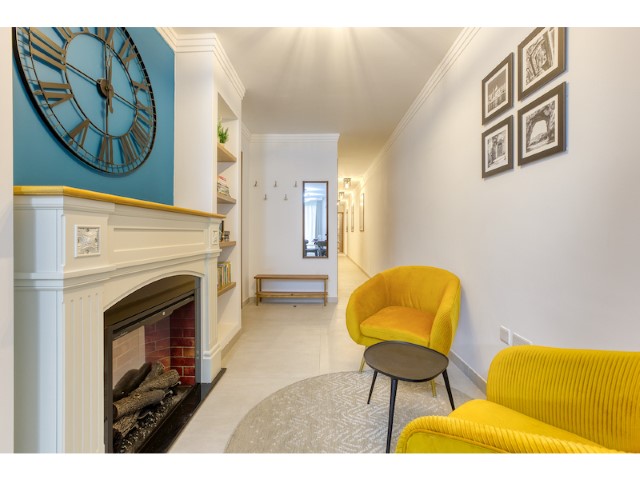
A designer 2-bedroom apartment in Gżira, close to the church, around 2 minutes from the promenade, and near Manoel Island.
View on Airbnb