


Malta’s weather has more range than people expect. January storms rattle the Gżira seafront hard enough to salt your windows, but by October the sea is still 24°C and people are swimming after work like it’s July. Here’s what the weather actually does, month by month, and what it means for planning a trip.
Monthly weather at a glance
⟵ Scroll to see full table on mobile
| Month | Day High | Night Low | Sea Temp | Rain (mm) | Sun Hours | UV | Feels like… | Swimming |
|---|---|---|---|---|---|---|---|---|
| January | 15°C / 59°F | 9°C / 48°F | 16°C / 61°F | 85 | 5.5 | 2 | Northern England in October | ❌ No |
| February | 15°C / 59°F | 9°C / 48°F | 16°C / 61°F | 60 | 6.5 | 3 | Northern England in October | ❌ No |
| March | 17°C / 63°F | 10°C / 50°F | 16°C / 61°F | 45 | 7.5 | 4 | Central Europe in May | ❌ No |
| April | 20°C / 68°F | 12°C / 54°F | 18°C / 64°F | 26 | 8.5 | 5 | Central Europe in June | ⚠️ Possible |
| May | 24°C / 76°F | 15°C / 59°F | 21°C / 70°F | 15 | 10 | 6 | South France in summer | ✅ Yes |
| June | 28°C / 82°F | 19°C / 67°F | 23°C / 73°F | 5 | 11 | 9 | South Spain in peak summer | ✅ Yes |
| July | 32°C / 90°F | 22°C / 72°F | 26°C / 79°F | 0.2 | 12 | 10 | North Africa coast | ✅ Yes |
| August | 32°C / 90°F | 23°C / 73°F | 27°C / 81°F | 6 | 11.5 | 10 | North Africa coast | ✅ Yes |
| September | 29°C / 84°F | 21°C / 70°F | 26°C / 79°F | 35 | 9 | 8 | South France in summer | ✅ Yes |
| October | 25°C / 77°F | 18°C / 64°F | 24°C / 75°F | 80 | 7 | 6 | Central Europe in July | ⚠️ Possible |
| November | 20°C / 68°F | 14°C / 57°F | 22°C / 72°F | 85 | 6 | 4 | Central Europe in May | ❌ No |
| December | 17°C / 63°F | 11°C / 52°F | 19°C / 66°F | 100 | 5 | 3 | Northern England in October | ❌ No |
“Feels like” comparisons are air-temperature equivalents — they don’t account for Malta’s sunshine intensity, limestone heat reflection, or coastal humidity, which make summer feel much hotter than the numbers suggest.
January: quieter than you’d think, rougher than you’d hope
Day: 15°C / 59°F | Night: 9°C / 48°F | Sea: 16°C / 61°F | Rain: 85mm | Sun: 5.5 hrs | UV: 2
January is the month you can have Valletta almost to yourself on a Tuesday morning. The Baroque Festival runs through the first two weeks — the St John’s Co-Cathedral acoustic is unlike anything you’ll hear in a concert hall. The Valletta museums are at their emptiest and most enjoyable now. Temperatures are mild by northern European standards, but a wet January day with wind off the harbour feels cold, and Maltese buildings aren’t insulated for it.
Popular sites like the Blue Grotto, Ħagar Qim, and Mdina are easy to visit without queuing, and prices are at their lowest. Coastal cycling is comfortable in a way it simply isn’t in August. Just pack a waterproof you actually mean to wear — January is Malta’s second-wettest month, and storms blow in without much warning.
Related: Malta’s big five hiking trails — the cliff-top paths are at their greenest in January.
✅ Good for
|
❌ Not ideal for
|
🎒 Pack: Waterproof jacket (essential), light layers, warm layer for evenings, walking shoes. A small umbrella. Don’t bother with sunscreen above SPF 20.
February: Carnival is the only reason most people come, and it’s enough
Day: 15°C / 59°F | Night: 9°C / 48°F | Sea: 16°C / 61°F | Rain: 60mm | Sun: 6.5 hrs | UV: 3
Malta Carnival doesn’t get nearly enough international attention. The floats through Valletta are elaborate in a way that feels anachronistic — not Instagram-polished, just hand-made over months by people who take it seriously. The children’s costumes on the Thursday before Lent are worth seeing on their own terms.
Weather-wise, February is nearly identical to January — cooler, occasionally wet, intermittently beautiful. The light on clear February days has a quality that’s hard to describe; the limestone catches it differently than in summer. Good weather for museums and eating out without bookings. Storms do happen — February 2019 brought force 10 winds and power cuts across the island, and Storm Helios in February 2023 dumped 140mm of rain in a single day. If you’re a runner, the La Valette Marathon runs through Valletta in late February — one of the more scenic courses in Europe.
Related: History of Maltese Carnival — 500 years of floats, masks, and the Church trying to shut it down.
✅ Good for
|
❌ Not ideal for
|
🎒 Pack: Same as January. Carnival weekend: add comfortable shoes you don’t mind standing in for hours, and layers you can remove — Carnival crowds generate their own heat.
March: the island starts to wake up
Day: 17°C / 63°F | Night: 10°C / 50°F | Sea: 16°C / 61°F | Rain: 45mm | Sun: 7.5 hrs | UV: 4
March is when the fields come back. Gozo in particular turns a shade of green in late February and early March that it won’t see again until next winter — wildflowers out, rubble walls draped in whatever’s climbing them, the whole island smelling different. By mid-March, Maltese people are eating outside again at lunch, which is as reliable a weather indicator as anything on your phone.
Freedom Day on March 31st marks the British departure from Malta and is commemorated in Birgu — understated but meaningful if you know the history. The spring equinox alignment at Mnajdra temple draws a crowd on the 20th or 21st — sunlight hits the inner chamber in a way the builders planned 5,000 years ago. Rain is still possible, and some years March delivers a stormy week. But the trend is upward, and 17°C in sunshine feels warmer than that number suggests.
Related: Scenic walks from Kalkara — one of the better March routes, sheltered from the north wind.
✅ Good for
|
❌ Not ideal for
|
🎒 Pack: Light jacket, a mid-layer for mornings and evenings, comfortable walking shoes. Sunglasses useful by mid-March — the light is bright on clear days. Leave the heavy coat at home.
April: the best month nobody talks about
Day: 20°C / 68°F | Night: 12°C / 54°F | Sea: 18°C / 64°F | Rain: 26mm | Sun: 8.5 hrs | UV: 5
If someone asked me for one month for a first visit, April would be hard to beat. The temperature is warm without being punishing, and Easter brings street processions that rank with anything in the Mediterranean. Good Friday in Valletta or Żebbuġ — where statues are carried through narrow streets under candlelight — stays with you. The Malta International Fireworks Festival usually falls in late April and is best viewed from the Valletta waterfront or from a boat in the Grand Harbour.
The sea is cool but swimmable for the determined — 18°C is uncomfortable for most but fine in a wetsuit. April crowds are manageable, prices are reasonable, and 8.5 hours of sunshine per day is already more than most of northern Europe sees in summer.
Related: Easter in Malta — routes, times, and which towns do it best.
✅ Good for
|
❌ Not ideal for
|
🎒 Pack: T-shirts for the day, a light jacket for evenings, smart-casual layer for restaurants. Sunscreen SPF 30+ — UV index 5 will catch you out. Comfortable walking shoes more useful than sandals at this point.
May: warm, dry, and not yet relentless
Day: 24°C / 76°F | Night: 15°C / 59°F | Sea: 21°C / 70°F | Rain: 15mm | Sun: 10 hrs | UV: 6
My favourite month on the island, and it’s not close. Ten hours of sunshine, a sea warm enough to swim in properly, and the summer machine hasn’t fully started yet. Restaurants still take walk-ins. You can park in St Julian’s. The Medieval Mdina Festival turns the Silent City into a proper medieval street fair for a weekend.
One caveat: the Xlokk — a southerly wind drawing hot, dust-laden air from the Sahara — can blow in during May and push temperatures briefly above 30°C while coating everything in fine reddish dust. It passes in a day or two. On normal May days, Malta is close to its best.
Related: Malta’s historic water trail — springs, aqueducts, and Ottoman-era channels you can walk before the summer heat arrives.
✅ Good for
|
❌ Not ideal for
|
🎒 Pack: Summer clothes, swimwear, SPF 30–50, sunhat, sunglasses. Still bring a light layer for evenings — 15°C nights are cool. Reef shoes or water shoes for rocky entry points.
June: peak weather, not yet peak crowds
Day: 28°C / 82°F | Night: 19°C / 67°F | Sea: 23°C / 73°F | Rain: 5mm | Sun: 11 hrs | UV: 9
June is when the island fully commits to summer. The sea is warm, evenings last until after 8pm, and everyone moves outside. The summer music festival season kicks off — Isle of MTV usually falls in late June at the Granaries in Floriana, and that weekend makes Valletta accommodation difficult. Book early or stay farther out.
UV index 9 is not a number to ignore. An hour at midday without sunscreen will punish you. Mornings and late afternoons are the time to be out doing things. The middle of the day is for the sea, somewhere shaded, or a cold Cisk in a café.
Related: Rock climbing in Malta — the limestone crags are best tackled at dawn in June before the heat arrives.
✅ Good for
|
❌ Not ideal for
|
🎒 Pack: Full summer kit. SPF 50 — non-negotiable. Sunhat with a brim. Rash vest for extended sea time. Light linen or cotton only — synthetics are miserable in this heat. Reef shoes.
July: hot in a way that requires planning
Day: 32°C / 90°F | Night: 22°C / 72°F | Sea: 26°C / 79°F | Rain: 0.2mm | Sun: 12 hrs | UV: 10
July is the hottest month, and after living through twenty-eight of them I can tell you: it’s a lot. 32°C sounds manageable until you factor in the humidity, the reflected heat off limestone pavements, and night lows of 22°C that disrupt sleep without air conditioning. Most accommodation worth staying in has it. Check before booking anything older and smaller.
The sea in July is extraordinary — 26°C, clear, and you can get in from rocky platforms, ladders, and bays all over the island. The village festas running through July are among the most local experiences Malta offers — brass bands, fireworks at midnight, pastizzi sold from vans, none of it packaged for tourists.
Related: Working remotely from Malta — read this before trying to get anything done between noon and 3pm.
✅ Good for
|
❌ Not ideal for
|
🎒 Pack: Light summer clothes only. SPF 50+ reapplied every 90 minutes. Rash vest for snorkelling. Electrolyte sachets if you’re active. Flip-flops that handle hot stone. Reusable water bottle — drink constantly.
August: peak season, no apologies
Day: 32°C / 90°F | Night: 23°C / 73°F | Sea: 27°C / 81°F | Rain: 6mm | Sun: 11.5 hrs | UV: 10
August is when Malta runs at full capacity. Flights are expensive, accommodation is expensive, the beaches are busy by 9am, and restaurant queues are real. This is also when the island is most alive — festas continue, Gozo’s Delicata Wine Festival runs in August, and the Notte di San Lorenzo meteor shower draws people to the countryside for one of the few dark-sky nights of summer.
The sea peaks at 27°C, making August the best month for scuba diving — visibility is exceptional and you can stay in longer. Comino and the Blue Lagoon are at their busiest but also at their bluest; go early or accept the crowd. If you’re coming primarily for the water, August earns it.
✅ Good for
|
❌ Not ideal for
|
🎒 Pack: As July — but book air-conditioned accommodation well in advance. Don’t plan strenuous activity between 11am and 4pm. If you’re diving, book ahead.
September: the month the island relaxes
Day: 29°C / 84°F | Night: 21°C / 70°F | Sea: 26°C / 79°F | Rain: 35mm | Sun: 9 hrs | UV: 8
September is underrated. The sea is still 26°C — properly warm — but the European families have gone home and the Maltese get their island back. Prices drop fast from August’s peak, and I find the whole island easier to be on. Victory Day on the 8th and Independence Day on the 21st still feel like they belong to the Maltese rather than to tourists.
There’s a decent chance of a heavy September storm — the first rain of the season sometimes arrives as a deluge rather than a drizzle, and the drainage in St Paul’s Bay and parts of Valletta doesn’t always cope, though it passes quickly and a contingency day in the plan covers it. The Three Cities — Birgu, Senglea, Isla — are at their best in September: warm enough for the waterfront restaurants, cool enough to walk the backstreets without suffering.
Related: Map of beaches in Malta — September is the month to find the ones the August crowd missed.
✅ Good for
|
❌ Not ideal for
|
🎒 Pack: Summer clothes dominant, but add one light layer for evenings and a compact waterproof for sudden autumn showers. SPF 30–50 still necessary. Evenings cool to a pleasant 21°C.
October: the month to recommend to almost anyone
Day: 25°C / 77°F | Night: 18°C / 64°F | Sea: 24°C / 75°F | Rain: 80mm | Sun: 7 hrs | UV: 6
October is my honest answer when someone asks when to come. Still warm enough to swim — the sea is 24°C — but cool enough to actually walk around all day without heat planning. The light in October has a quality that makes even the unremarkable parts of the island look good. Birgu Fest, where the Three Cities are lit entirely by candlelight for a weekend, is one of the most atmospheric events on the Maltese calendar. Notte Bianca in Valletta runs the same month, and a self-guided walk through Valletta in October weather is about as good as city walking gets in the Mediterranean.
The 80mm rain figure looks alarming but usually arrives in a handful of heavy showers rather than sustained greyness. Most October days are clear and warm. The island is still fully operational but without August’s pressure.
Related: Phoenician history in Malta — October is the right temperature to spend a proper day at the archaeological sites.
✅ Good for
|
❌ Not ideal for
|
🎒 Pack: T-shirts for the day, a mid-layer for evenings, a packable waterproof. Swimwear — the sea is still worth it. SPF 20–30 on bright days. Versatile shoes that work for both beach access and historic sites.
November: fine with caveats
Day: 20°C / 68°F | Night: 14°C / 57°F | Sea: 22°C / 72°F | Rain: 85mm | Sun: 6 hrs | UV: 4
November divides people. Visitors from colder countries enjoy it — 20°C in daylight feels fine — while locals treat it as the beginning of winter and dress accordingly. The rain is more persistent than in October, and some years November brings localised flooding in the lower-lying areas around the Ta’ Qali valley and Marsaxlokk coast road.
The Three Palaces Festival uses state rooms at San Anton, the Grandmaster’s Palace, and the Verdala Palace — most not normally open to the public. Tourist numbers are low enough that you’ll get proper access without crowds. November is also a good month to visit the Ħal Saflieni Hypogeum — the underground burial complex is climate-controlled regardless of weather, and the limited daily tickets are easier to get outside peak season.
Related: Visiting Malta in November — full breakdown of what’s actually on.
✅ Good for
|
❌ Not ideal for
|
🎒 Pack: Light jacket and a proper waterproof (both needed). Layers for variable days — mornings can be chilly, afternoons warm. Comfortable walking shoes that handle wet streets. Leave the sandals at home.
December: Christmas in limestone
Day: 17°C / 63°F | Night: 11°C / 52°F | Sea: 19°C / 66°F | Rain: 100mm | Sun: 5 hrs | UV: 3
December is the wettest month of the year, and there’s no point pretending otherwise. When it’s not raining, Valletta in December is one of the nicest urban environments I know. Republic Street is lit up from the 8th onwards, the Christmas cribs (presepji) appearing in every town square are treated as an actual art form, and Republic Day on December 13th is still a proper national holiday.
Prices are low, flights are available outside Christmas week, and unlike most Mediterranean islands in December, Malta is a functioning place, not closed-for-winter. Most restaurants stay open, Valletta is walkable, and the weather is mild enough to be outside for much of the day. The Christmas food — qagħaq tal-għasel, imbuljuta, and the staggering quantities of nougat — is reason enough to come for a long weekend.
Related: Christmas in Malta — the full guide, including which presepji are worth hunting down.
✅ Good for
|
❌ Not ideal for
|
🎒 Pack: Warm layers, a proper waterproof jacket, closed shoes. December in Malta is not cold by northern European standards, but you’ll be wet if unprepared. Christmas week: book accommodation well ahead — it fills up.
What month should you actually come?
Depends on what you’re optimising for. If the sea matters most, come between May and October. For walking historic sites all day without overheating, aim for April or October. The cheapest months are January, February, and November. Want Malta at its most itself — festas, heat, noise, full summer energy — that’s July and August, but go knowing what that means.
The months that need a warning: August for anyone with heat or mobility issues, and November if you need reliable sunshine.
Extreme weather: what the brochure doesn’t mention
The 300-days-of-sunshine figure is real enough as an average. But Malta is a small limestone island with limited storm drainage and an open Mediterranean coastline, and when the weather turns bad it can turn properly bad. None of this should put anyone off visiting — it should help you decide where to park your rental car during a storm warning.
Flash floods
Malta has no rivers — just dry valleys (widien) that fill fast when enough rain falls at once. Urban development has paved over much of the natural drainage, and when a proper storm arrives, water finds the lowest point — often a road, a car park, or a ground-floor flat in Gżira, Msida, or Birkirkara. The worst event was October 1979, when flash floods killed four people in Birkirkara, Qormi, and Msida. It’s rare, and dramatic when it happens. More recently, November 2021 flooded roads and stranded cars — the Manoel Island underpass in Gżira went underwater within twenty minutes of the rain starting.
Hailstorms
Malta sees significant hail several times a decade. The January 1998 hailstorm is the one people of a certain age still talk about — hail drifts took five days to melt. In December 2014, Gozo had enough hail for children to build snowmen, and the Nadur weather station briefly recorded -0.6°C. January 2026 destroyed greenhouses across Manikata and Mellieħa before Storm Harry arrived the following week.
Storm Harry: January 2026
The most severe storm in recent Maltese history. A buoy between Sicily and Malta recorded a 16-metre wave — the highest ever documented in the Mediterranean. Wind speeds at Valletta reached 56 knots (103 km/h). Boats were washed onto roads in Marsaxlokk, concrete platforms were torn away at Għar Lapsi, and the Civil Protection Department responded to more than 180 incidents. Aquaculture damages alone topped €5 million.
Extreme heat
Heatwaves are becoming more frequent. In July 2023, the Cerberus heatwave ran ten days with air temperatures peaking at 42.7°C. Malta’s Research Innovation Unit recorded 51°C on a paved urban surface — 11°C hotter than a nearby natural valley. Record electricity consumption caused power outages in several localities. If you’re visiting in July or August and have health conditions affected by heat, plan around it.
- A red alert (twissija ħamra) from the Met Office means stay off the roads
- Move any rental car away from underpasses, seafront roads, and low-lying car parks
- Gżira, Msida, and Sliema seafront roads flood reliably in serious storms
- Coastal areas including Marsaskala, Marsaxlokk, and St. Paul’s Bay are exposed to wave surge
- The Gozo ferry and fast ferry services will be suspended — plan accordingly
- October through February is the highest-risk period
What the research says
The climate data behind the numbers above. Summers are getting hotter and autumn storms are getting heavier — the trend is clear in the peer-reviewed research even if the tourist brochures haven’t caught up.
Malta’s average air temperature increased at 0.71°C per 100 years over the full recorded period (1923–2005). The post-1970 rate is sharper: approximately 1.5°C of warming in 30 years, concentrated in summer. Maximum temperatures rose 1.2°C and minimums 1.1°C between 1951 and 2010.
Source: Republic of Malta / University of Malta climate reports; Galdies (2010)
Thunderstorm days per year have increased by nine since 1950. Daily maximum rainfall is trending upward — storms deliver heavier rainfall when they arrive. Autumn rainfall (October) has increased by 0.8mm per year, while spring rainfall is decreasing. Rising Mediterranean sea surface temperatures are fuelling more intense storm systems. Storm Harry’s record 16-metre wave was linked directly to unusually warm January sea temperatures.
Source: Galdies et al., Republic of Malta National Climate Report; Malta Meteorological Office
A 2022 study in Natural Hazards found that Malta’s flood events have become more frequent — but part of the reason is that buildings and roads now sit where water used to drain naturally. The problem isn’t only that it rains harder; it’s that the island has been built over in ways that make flooding worse. The IPCC’s Sixth Assessment identifies the Mediterranean as a region facing increased drought, temperature extremes, and extreme weather events by mid-century.
Source: Natural Hazards, Springer Nature, June 2022; IPCC AR6
FAQ: Malta weather questions
Does it ever snow in Malta?
Almost never at sea level. In December 2014, enough hail fell in Gozo that children built snowmen from it, and the Nadur station briefly recorded -0.6°C. Actual persistent snow on the main island has not been reliably recorded in living memory.
How warm is the sea in October?
Around 24°C — comfortable for swimming, and warmer than Sardinia or the Balearics at the same point in the calendar.
Is Malta too hot in August?
For some people, yes. If you struggle with heat above 30°C and disrupted sleep, August will be uncomfortable. If you prioritise beach time and water activities, it works well — just plan around the midday heat.
What causes the Xlokk wind?
A southerly wind drawing hot, dust-laden air from the Sahara. It can arrive in spring and early summer with little warning. Temperature spikes and a yellowish haze are the main signs. It typically lasts one to three days.
When is it cheapest to visit Malta?
January and February are the off-season lows. November and early December are also much cheaper than summer without January’s rain risk.
Does Malta flood?
In specific circumstances, yes. When heavy rain falls quickly — which happens several times a decade — low-lying areas in Msida, Gżira, Birkirkara, and St. Paul’s Bay can flood. October through February is the risk period. Most visits are unaffected.
Does Malta get hail?
Several times a decade. The worst event was January 1998, when hail took five days to melt in parts of the island. Hail typically accompanies the same Mediterranean low-pressure systems that produce flash flooding.
How big do waves get around Malta?
Normally modest — rarely more than 2–3 metres. During Storm Harry in January 2026, a buoy between Sicily and Malta recorded a 16-metre wave, the highest ever measured in the Mediterranean.
Has Malta ever been hit by a Mediterranean cyclone?
Yes. Storm Harry in January 2026 was the most severe in recent history, with 56-knot winds at Valletta and record wave heights. The Mediterranean occasionally generates compact intense low-pressure systems, and these events are expected to become more frequent as sea temperatures rise.
Whatever month you pick, download the Malta Met Office app before you arrive — it’s the only forecast that accounts for the microclimates between the north and south of the island, and the storm alerts are useful even if you never need them.
Stay in Gżira near the promenade
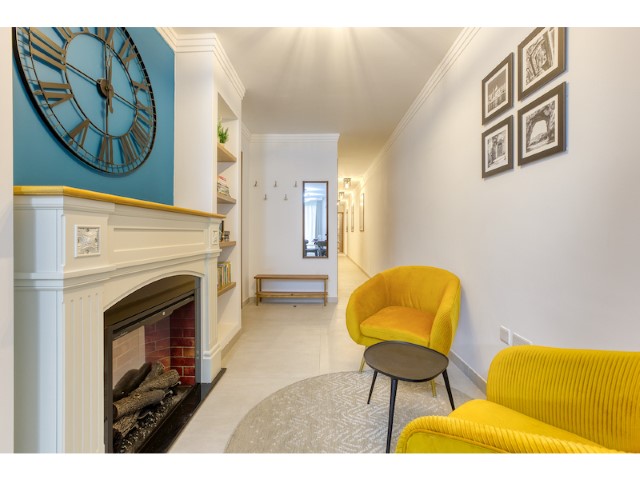
A designer 2-bedroom apartment in Gżira, close to the church, around 2 minutes from the promenade, and near Manoel Island.
View on Airbnb