
TL;DR – THE 30-SECOND VERSION
This guide helps you understand what makes Maltese wine distinctive, which grapes and wineries matter most, how to read labels, and how to plan a wine-focused trip in Malta or Gozo.
Best starting point: try a crisp Girgentina white, a Ġellewża rosé, and one premium bottle from Marsovin, Delicata, Meridiana or Ta’ Betta.
Most useful label shortcut: D.O.K. Malta and D.O.K. Gozo are stricter than I.G.T. Maltese Islands.
Best for first-time visitors: Malta’s main island is easier for flagship wineries; Gozo is stronger for atmosphere and slower rural tastings.
What makes Malta different: native grapes, old wine history, boutique-scale producers, limestone soils and a strong food-and-wine culture.
2026 reality check: climate pressure, drought and water scarcity now matter almost as much as history and terroir.
Jump to
Why Maltese wine matters | History | D.O.K. and I.G.T. | Native grapes | Wineries to know | Must-try wines | Map and itineraries | Festivals | Sustainability | FAQ
Wine in Malta often surprises people because the islands look too small and too dry to sustain a scene with real depth. Then you taste a fresh Girgentina, stumble across a small winery in the countryside, or realise that the story runs back to Phoenician and Roman times.
This guide pulls the subject into one place. It covers Maltese wine history, native grapes, label categories, major and boutique wineries, bottles worth trying, wine festivals, buying tips, food pairings, and the practical differences between exploring Malta and Gozo.
Quick note for mobile: the table below is the fastest way to decide where to start.
| If you want… | Start with | Why it works |
|---|---|---|
| Malta’s native identity | Girgentina and Ġellewża | They are the clearest local markers and still the best way into the story. |
| Big-name premium producers | Marsovin, Delicata, Meridiana, Ta’ Betta | These are the reference names most visitors encounter first. |
| Boutique and more personal tastings | Markus Divinus, Mar Casar, Tal-Massar, San Niklaw | Smaller scale, clearer stories, and more direct contact with place. |
| Natural or amphora wine | Mar Casar | It gives Malta a genuine low-intervention and qvevri angle. |
| A scenic Gozo wine day | Tal-Massar and Ta’ Mena | Gozo adds slower pacing, sea views and a more rural feel. |
| A fast label guide | D.O.K. Malta, D.O.K. Gozo, I.G.T. Maltese Islands | These categories tell you how tightly a wine is tied to local origin and production rules. |
Why Maltese Wine Matters
Maltese wine matters because it combines several things that do not often sit together in one small destination: ancient winemaking history, native grapes, boutique-scale production, limestone soils, sea influence, and a drinking culture that still feels tied to food rather than detached score-chasing.
That does not make Malta a giant wine power. It makes it interesting in a different way. The islands work best for people who enjoy discovery, context, and a sense of place.
- The scale is small, so the scene feels personal rather than industrial.
- Native grapes still give Malta a flavour profile that is hard to copy elsewhere.
- Travel distances are short, so wine can be combined easily with Valletta, Mdina, Gozo, village feasts, and coastal stops.
- The food context is strong, which makes the wines easier to understand on the table.
A Toast to History: Malta’s Winemaking Legacy
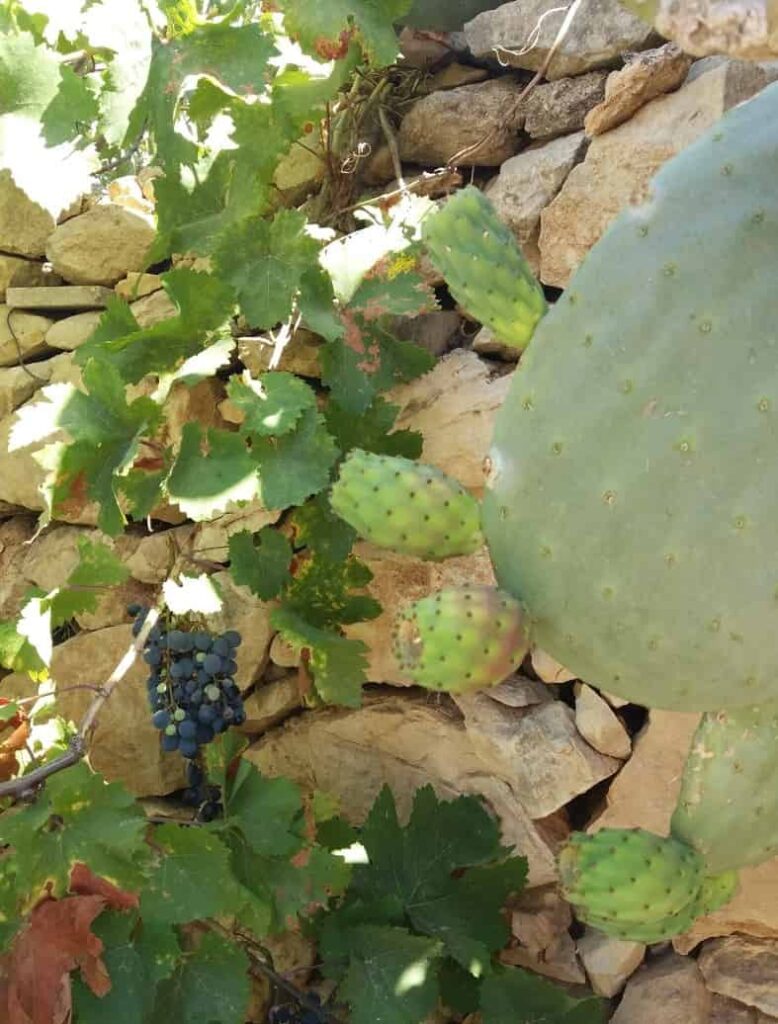
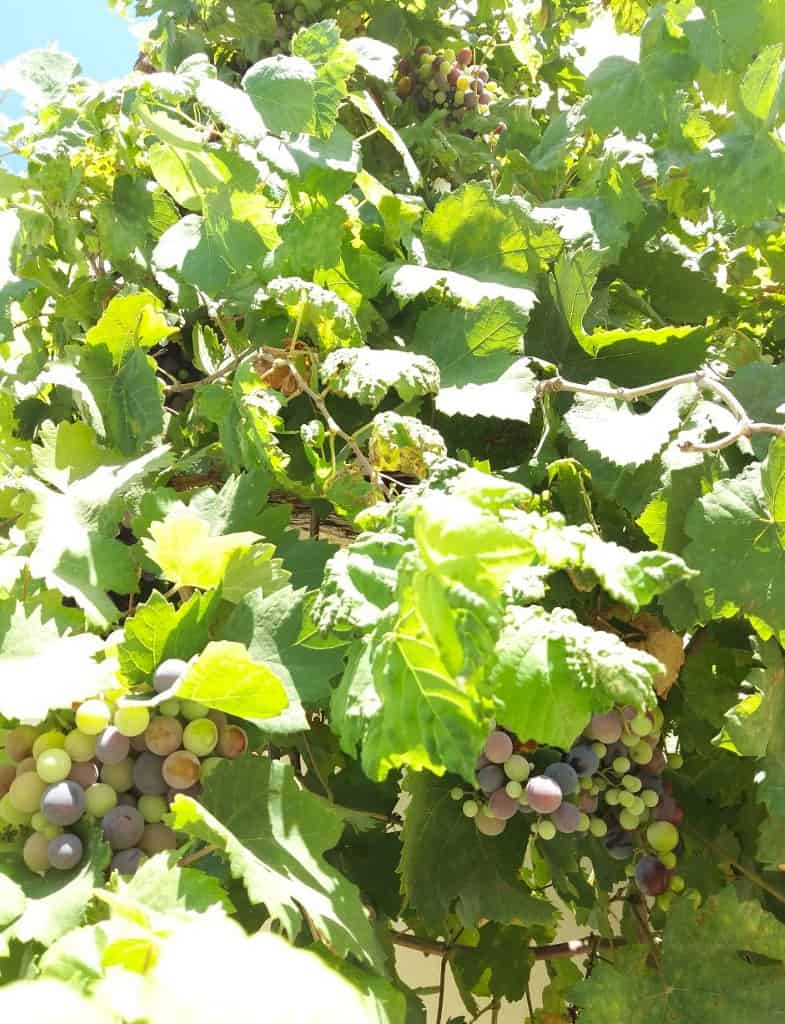
Malta’s wine story stretches back more than 3,000 years. Viticulture on the islands is generally traced to the Phoenicians around 800 BC, and the Greeks and Romans later continued the tradition. Wine became part of daily and ceremonial life, not just trade.
The archaeology gives that story weight. Rock-cut treading pans and grape-processing features in places such as Mġarr ix-Xini in Gozo point to organised wine production in antiquity.
The line was never smooth. The Arab period brought major cultural changes and viticulture declined. Later, the arrival of the Knights of St John helped stimulate agricultural renewal and vineyards regained importance.
Under British rule, cotton often displaced vines because it promised better returns. Then phylloxera hit European vineyards. Malta did suffer losses, but the story is more nuanced than total devastation. Sandy coastal sites helped limit the spread in some areas, and some local vines proved more resilient than outsiders once assumed.
The modern renaissance came in the late 20th century. Up to the 1990s, Maltese vineyards were still dominated by Girgentina and Ġellewża. After that, producers modernised cellar work, expanded international plantings, and pushed more clearly toward quality-focused production.
| Period | What happened | Why it matters |
|---|---|---|
| Phoenician period | Viticulture is generally traced to the islands from around 800 BC. | This anchors Malta’s wine history in deep antiquity. |
| Greek and Roman periods | Wine remained part of social and economic life. | The tradition was maintained rather than abandoned. |
| Arab period | Viticulture declined under new cultural conditions. | The story shows discontinuity as well as continuity. |
| Knights of St John | Agriculture and vineyards regained importance. | Wine returned to the landscape and to local life. |
| British rule | Cotton often replaced vines, then viticulture recovered. | Economic pressure repeatedly reshaped the vineyard map. |
| Late 20th century onward | Quality focus, modern cellars, and more international grapes. | This is the foundation of Malta’s current wine scene. |
How to Read Maltese Wine Labels: D.O.K. and I.G.T.
This is one of the most useful practical sections for visitors because Maltese labels can be unfamiliar at first glance. Malta has three recognised geographical-indication categories for quality wine: I.G.T. Maltese Islands, D.O.K. Malta, and D.O.K. Gozo.
In simple terms, I.G.T. is the broader protected category. D.O.K. Malta and D.O.K. Gozo are stricter. They use tighter origin and production rules, and the grapes must come exclusively from Malta or Gozo respectively.
- I.G.T. Maltese Islands: broader protected category for wines tied to the islands.
- D.O.K. Malta: stricter category for wines made from grapes grown in Malta.
- D.O.K. Gozo: stricter category for wines made from grapes grown in Gozo.
- Banderoles: pale yellow for D.O.K. Malta and D.O.K. Gozo, green for I.G.T. Maltese Islands.
Useful external references for this are the official D.O.K. and I.G.T. wine quality scheme and the Wines of Malta portal.
Indigenous Gems: Girgentina and Ġellewża
The heart of Malta’s wine identity still lies in its two best-known native grapes: Girgentina and Ġellewża. Their exact genetic origins remain uncertain, which is part of what makes them feel properly local rather than simply borrowed from nearby regions.
One of the more unusual technical points is that these grapes have long been noted for relatively low-sugar musts and comparatively modest alcohol levels, often around 9 to 10 percent in traditional expressions. That is an odd trait in a hot Mediterranean climate.
Girgentina
Girgentina produces pale, fresh, food-friendly wines with crisp acidity and a clean style that often works best without oak. Typical notes include green apple, pear, light citrus, and a mineral edge in better examples.
- Best with grilled fish, lampuki when in season, shellfish and seafood pasta.
- Works well on its own and also in blends.
- Feels more like an island white built for the table than a showpiece prestige grape.
Ġellewża
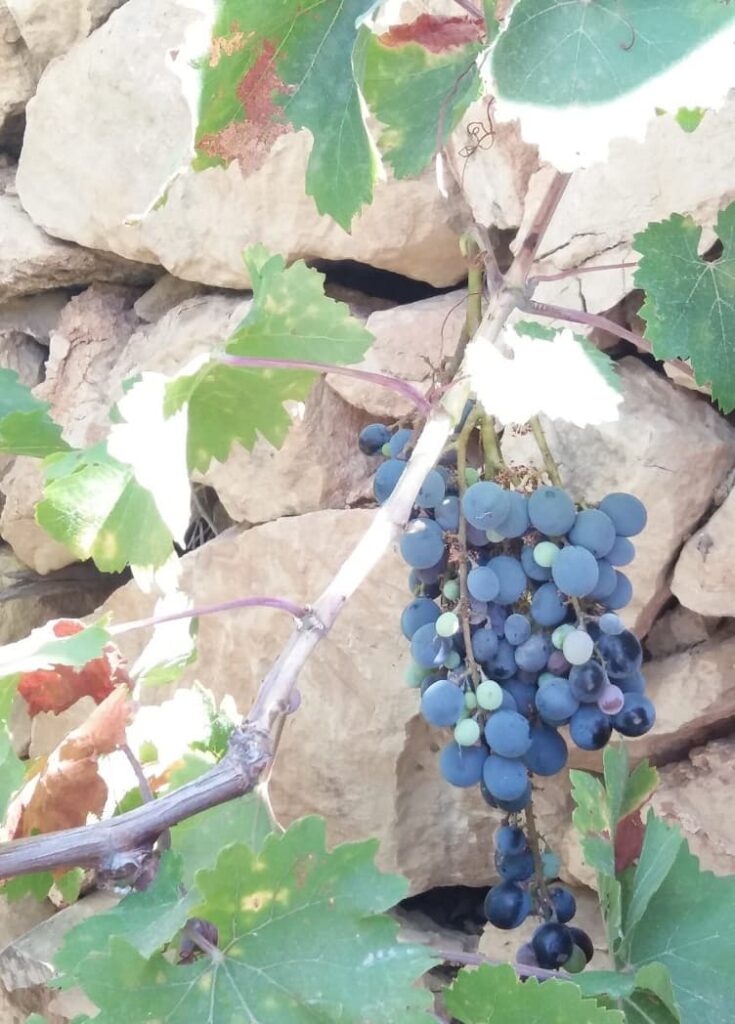
Ġellewża is Malta’s indigenous red grape. The name is commonly linked to the Maltese word for hazelnut, referring to the slightly elongated, nut-like shape of the berries. In still red form it tends toward lighter-bodied wines with cherry, plum and gentle spice.
Many drinkers first fall for it in rosé or lightly sparkling form, where it becomes one of Malta’s most expressive styles: bright, fruity, Mediterranean and easy to drink.
- Common notes include strawberry, raspberry, cherry and soft herbs.
- It is increasingly used in blends with international grapes.
- It often makes more immediate sense to first-time visitors as rosé than as a serious still red.
Beyond the Big Two
Malta’s native wine story does not stop at Girgentina and Ġellewża. Preservation and research work now extends to other rare or historically local grapevine material, including Marsusa Sewda, Beżżul Abjad, Insolja Bajda, Insolja Sewda, Miġnuna, Abjad Tond, and Muskatell.
These are not mainstream commercial names yet. Some are still in conservation, propagation or evaluation stages. But they matter because they show Malta’s wine heritage is broader than most casual drinkers realise.
Reporting around a four-year Maltese research project in 2025 also pointed to the identification of 10 previously undocumented indigenous grape varieties for potential wine use. That does not mean they are about to flood shop shelves, but it does strengthen the case that Malta’s native vine story is still being rediscovered rather than merely remembered.
“All the countries on my bucket list are wine countries.” – Anonymous
International Varieties and the Range of Modern Maltese Wine
Malta is not only about native grapes. Over the last few decades, several international varieties have adapted well to the islands and now form an important second pillar of the wine scene.
- Chardonnay: one of Malta’s strongest international performers, from fresh styles to richer oak-aged whites.
- Sauvignon Blanc: more difficult in warmth, but convincing when handled carefully.
- Merlot: one of the most reliable routes to polished Maltese reds.
- Cabernet Sauvignon and Cabernet Franc: add structure, darker fruit and premium ambition.
- Syrah: suits Malta’s heat and can produce peppery, concentrated wines.
- Vermentino, Viognier, Grenache, Carignan and Sangiovese: help keep the modern scene from becoming predictable.
- Style range: still whites, oak-aged whites, rosé, semi-sparkling wines, sparkling wines, natural wines and native-international blends.
Top Wineries Crafting Malta’s Finest Wines
Malta’s wineries range from long-established family producers to smaller boutique estates and natural-wine projects. That variety is part of the appeal.
Major producers
Marsovin
Founded in 1919, Marsovin remains one of the key names in Maltese wine. Its historic cellars and long institutional role make it central to the story.
- Key labels include Primus, Cheval Franc, Grand Maître, Antonin, Domina and the Classic Collection.
- Recent premium listings have included Grand Maître 2023, Domina 2023 and Antonin Riżerva bottlings.
- Official site: Marsovin
Emmanuel Delicata
Founded in 1907, Delicata is Malta’s oldest family-run winery and one of the island’s most visible quality producers.
- Key lines include Gran Cavalier, Grand Vin de Hauteville, Victoria Heights, Medina, Frizzante and the Classic Collection.
- Recent releases include Eskwiżit sparkling wines built around Girgentina and Ġellewża, and the newer ŻIFFA range.
- Official site: Delicata
Meridiana
Founded in 1987 and developed on what had once been an airfield below Mdina, Meridiana helped prove that estate-grown Maltese wine could be taken seriously.
- Its ISIS Chardonnay is one of Malta’s best-known whites.
- Nexus Merlot remains one of the cleaner reference points for polished Maltese red wine.
- It is a good producer to mention when readers want a more estate-driven angle.
Ta’ Betta
Ta’ Betta has built a strong reputation for careful site management, sea-breeze moderation and premium positioning. Jean Parisot Chardonnay remains one of the better-known prestige whites on the islands.
Boutique and specialist wineries
- Markus Divinus: a Dingli boutique producer with a small-scale craft identity and tasting experiences that feel more personal than mass-market. Official site: Markus Divinus.
- Mar Casar: one of the clearest examples of Malta’s natural-wine direction, working with qvevri amphorae and low-intervention methods.
- Tal-Massar: a scenic Gozo winery with a quieter rural identity and a useful sustainability angle.
- Ta’ Mena: more than a winery, with a broader agritourism feel through farm products and countryside context.
- San Niklaw: a smaller estate-focused name in the south of Malta worth knowing if you want to move beyond the largest producers.
- Bacchus and Maria Rosa: smaller-profile names that help round out the map for readers interested in lesser-known estates.
Must-Try Maltese Wines
If you want a practical drinking list rather than just producer names, these are the bottles and styles most useful to know.
| Category | Wine example | What to expect | Good food match |
|---|---|---|---|
| Indigenous white | Girgentina | Crisp, pear, apple, freshness, modest weight | Seafood pasta, grilled fish, light ftira |
| Indigenous rosé | Ġellewża Frizzante | Strawberry, fizz, easy-drinking charm | Summer platters, light meats, aperitif drinking |
| Indigenous still red | Ġellewża-based reds | Cherry, plum, soft spice, gentle body | Rabbit, sausages, rustic Maltese dishes |
| Premium white | ISIS Chardonnay / Jean Parisot Chardonnay | Citrus, stone fruit, sometimes oak and brioche | Fish, chicken, richer seafood dishes |
| Premium red | Grand Maître / Gran Cavalier Merlot or Syrah | Dark fruit, spice, more structure | Rabbit stew, grilled meats |
| Modern blend | Cheval Franc | Peppery, smooth, hybrid Maltese-international feel | Shared platters, mature cheeses |
Good bottles to mention by name
- Marsovin Grand Maître
- Marsovin Domina
- Marsovin Primus
- Meridiana ISIS Chardonnay
- Meridiana Nexus Merlot
- Delicata Gran Cavalier Merlot Riżerva
- Delicata Gran Cavalier Syrah Riżerva
- Delicata Gran Cavalier Sauvignon Blanc
- Antonin Blanc
- La Vallette Red
Pairing Maltese Wine with Local Food
Maltese wine usually makes the most sense with Maltese food. That is not a throwaway line. Many of the wines are moderate in body and built for the table.
- Girgentina: grilled fish, seafood pasta, shellfish, light ftira.
- Ġellewża rosé: lampuki dishes, lighter meats, summer platters.
- Medium red Ġellewża blends: rabbit stew and rustic Maltese dishes.
- Merlot or Syrah: richer meat dishes.
- Fresh whites: ġbejniet, olives and small sharing plates.
Wine Tourism: How to Explore Maltese Wine Properly
Malta’s small size works in its favour. You can combine wineries with historic towns, coastal viewpoints, festivals, and food stops without long transfers. The real planning question is not distance. It is focus.
| Area | Best for | Mood |
|---|---|---|
| Malta main island | Flagship producers, history, easier logistics | Broader choice, easy to combine with Valletta or Mdina |
| Gozo | Scenic vineyards, slower rural tastings | More relaxed, more countryside feeling |
| Dingli / western Malta | Boutique cellar experiences | Personal, high-view, more intimate |
| Siġġiewi / central-south | Alternative styles and countryside stops | Characterful and slightly off the standard route |
- Book ahead: many visits are appointment-based.
- Do not assume walk-ins: especially with boutique producers.
- Use Gozo deliberately: it works better as a real wine day than a rushed add-on.
- Driving gives flexibility: but guided tastings reduce friction, especially in summer.
- Left-side driving matters: it catches some visitors off guard after tastings and late finishes.
Map of Wineries and Sample Itineraries
Lists help with research, but maps are better for planning. This section makes the article more practical because you can see which wineries naturally fit together on the same day, especially if you want to combine tastings with Mdina, Dingli cliffs, Valletta, or a Gozo crossing.
The simplest rule is to plan by zone rather than by brand. West and central Malta work well together. Gozo deserves its own slower day.
| Plan | Best wineries | Why it works | Good add-on |
|---|---|---|---|
| Half-day west Malta | Meridiana + Ta’ Betta | A tidy west-central pairing if you want a polished estate-focused morning. | Mdina or Rabat |
| Boutique west Malta afternoon | Markus Divinus + Mar Casar | Best if you want smaller-scale tastings and a more personal feel. | Dingli cliffs |
| Harbour-side producer day | Marsovin + Delicata | Useful if you are staying closer to Valletta, the Three Cities or the harbour side. | Valletta or Senglea/Cospicua |
| Full Gozo wine day | Tal-Massar + Ta’ Mena | Gozo works best as a dedicated slower day rather than a rushed add-on. | Victoria or Marsalforn |
Where to Buy Maltese Wines
Most Maltese wine is still consumed locally, which is one reason it feels under-discovered abroad.
- In Malta, the easiest options are winery shops, cellar visits, producer online shops, and better local wine retailers.
- Useful starting points include Farsonsdirect and Briffa Wine Selections.
- Outside Malta, distribution is still patchy and often limited to specialist importers, merchants or restaurants.
Malta’s Wine Festivals
Wine festivals are one of the easiest ways to see how wine fits into Maltese life. They combine tasting, music, food, public space and local atmosphere in a way a shop shelf never can.
As of March 2026, not every 2026 edition appears to have published final official dates yet. So the safest way to use this section is as an evergreen guide, then check the organisers closer to summer.
- Marsovin Summer Wine Festival: usually linked to mid-July at Hastings Gardens in Valletta, known for harbour views, music and a Wine Educational Area.
- Delicata Classic Wine Festival: usually associated with August in Valletta and sometimes Gozo. Recent editions have used a wine-purse format with souvenir glass and tasting coins. Official updates: Delicata Wine Festivals.
- Malta International Wine Festival: a more international-profile event that has recently used Argotti Gardens in Floriana.
- Qormi Wine Festival: often linked to early September and stronger on community atmosphere than corporate branding.
- Fontana Wine Festival: a useful Gozo event for a smaller, village-scale setting.
- Ta’ Sannat Wine Festival: another Gozo event worth watching if you prefer local atmosphere over big-city staging.
Sustainability and Modern Challenges
This is one of the biggest things older Malta-wine articles often miss. Maltese wine now faces serious environmental pressure from hotter growing conditions, drought stress, limited good-quality irrigation water, and the challenge of balancing yields with long-term vine health.
This is not abstract. In one of Malta’s harsh drought periods, local producers warned that roughly a third of indigenous vines had been lost and that production volumes had fallen sharply. Even allowing for recovery since then, the episode remains a useful warning.
- Customised pruning
- More precise canopy management
- Rootstock testing
- Interest in climate tolerance among native varieties
- Lower-water vineyard strategies
- More technical use of imagery, sensors and precision-agriculture tools
That makes sustainability in Malta less of a lifestyle badge and more of a survival framework. It also helps explain why the preservation of native varieties now matters for practical reasons as well as cultural ones.
Useful External Resources
- Wines of Malta for the official wine portal and wine trail.
- Malta’s viticulture and oenology page for native-variety and research context.
- D.O.K. and I.G.T. quality scheme for label guidance.
- VisitMalta events for festival checks.
- Markus Divinus for boutique tasting information.
- Delicata Wine Festivals for recent festival updates.
FAQ
Is Malta actually good for wine?
Yes. Not because it produces huge volumes, but because it offers native grapes, credible premium producers, boutique cellar experiences and a strong food-and-wine context.
What are Malta’s native grapes?
The two main ones are Girgentina and Ġellewża. Research and conservation work also covers lesser-known varieties such as Marsusa Sewda, Beżżul Abjad, Insolja Bajda, Insolja Sewda, Miġnuna and others.
What is the difference between D.O.K. Malta, D.O.K. Gozo and I.G.T. Maltese Islands?
I.G.T. is the broader protected category. D.O.K. Malta and D.O.K. Gozo are stricter classifications with tighter quality and origin rules.
Which wineries should first-time visitors prioritise?
A balanced starting list is Marsovin, Delicata, Meridiana, Ta’ Betta, Markus Divinus and Tal-Massar.
Is Gozo better than Malta for wine tasting?
Not across the board. Gozo is stronger for atmosphere and slower rural visits. Malta’s main island gives you more flagship producers and easier logistics.
When are the main Maltese wine festivals?
Usually summer into early autumn, with Marsovin often in July, Delicata in August, and Qormi around early September.
Can I buy Maltese wine outside Malta?
Sometimes, yes, but not reliably everywhere. Distribution remains limited, which is one reason many of Malta’s best bottles are still easiest to discover on the islands themselves.
Maltese wine is easy to underestimate from a distance. Up close, it becomes far more interesting: native grapes with real identity, serious flagship producers, a growing boutique scene, and a wine culture shaped by heat, limestone, sea air, scarcity and reinvention.
Last updated: March 2026.
Stay in Gżira near the promenade
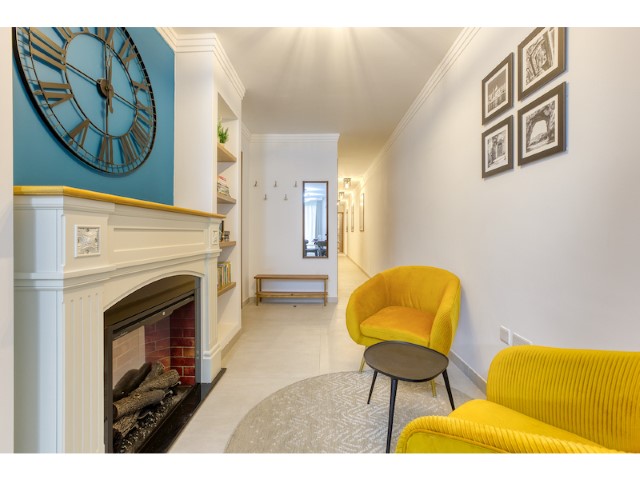
A designer 2-bedroom apartment in Gżira, close to the church, around 2 minutes from the promenade, and near Manoel Island.
View on Airbnb