
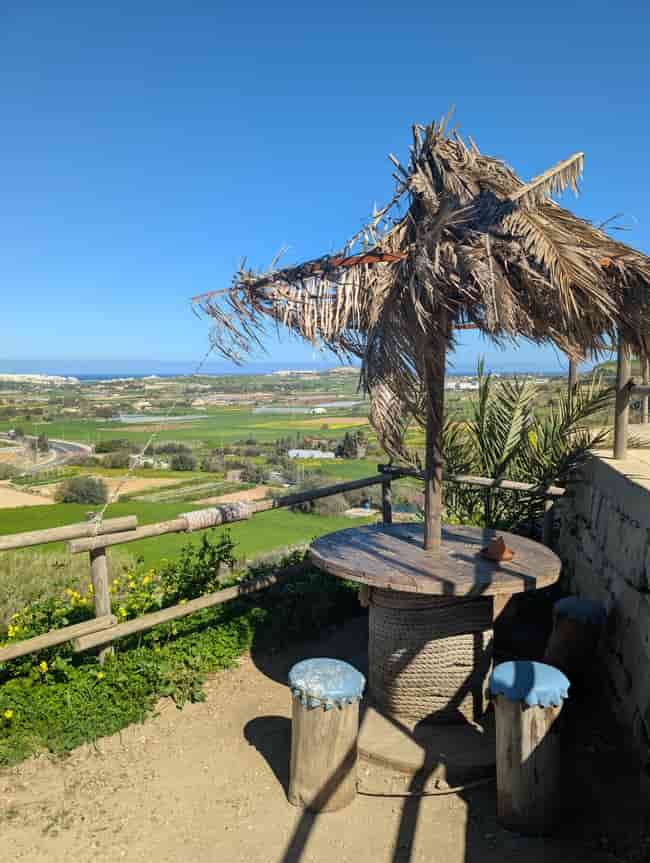

TL;DR — THE 30-SECOND VERSION
An honest, local-written guide to choosing a culture-first winter trip in the Mediterranean — December through February (and even March), when you want light and 15°C, not a beach and 30°C.
- Best culture city break: Seville, Valletta, or Palermo — all stay alive in winter.
- Best island slow travel: Malta, Sicily, Cyprus, or Crete — give yourself a full week.
- Travelling as a group? Malta works unusually well — compact enough that different interests (history, food, coast, nightlife) all fit in one week without compromise.
- Warmest guaranteed: Canary Islands (20–22°C) or Morocco — but less cultural density.
- Expect: 14–21°C daytime, jacket weather at night, 5–7 hours of sunshine. Not hot. Mild and lovely.
- Budget bonus: Accommodation is 30–50% cheaper than summer across every destination listed.
- Pack: Layers, waterproof jacket, walking shoes, sunglasses. Leave the beach gear.
Disclosure: I am Maltese! My perspective on Malta and the island is first-hand. All other destinations are covered as honestly as I can from research and travel experience.
Jump to a section:
- What “Winter Sun” Actually Means
- Pick Your Trip Type First
- Quick Destination Comparison Table
- Culture City Break: Seville, Valletta, Palermo
- Island Slow Travel: Malta, Sicily, Cyprus, Crete
- Warmest Options: Canary Islands & Morocco
- Wildcards: Tangier, Madeira, Málaga, Athens
- Choosing Quickly
- The Practical Reality
- Malta as a Winter Week
- FAQ
It’s a Tuesday in late January and I’m sitting outside at a café on Republic Street in Valletta. Light jacket, espresso, no plan. The limestone has turned that particular shade of warm gold that only happens when low winter sun hits Mediterranean stone at the right angle. It’s maybe 16 degrees. A woman at the next table is reading a novel. Somewhere behind me, a church bell marks the hour, and I realise I haven’t thought about the weather once today — which is the whole point.
This article is for you if that scene sounds like what you actually want from a winter trip. Not a beach. Not a resort. Just light. Warmth you can feel on your face while walking through a city that has something to look at. A few days where it isn’t dark by half three in the afternoon.
What follows: honest expectations about Mediterranean winter weather — specifically December through February — a framework for choosing between very different types of trip, and the destinations that actually work for culture-focused travellers. From Seville to Tangier, from Malta to Crete. No rankings, no hard sell, no pretending it’ll be 30°C.
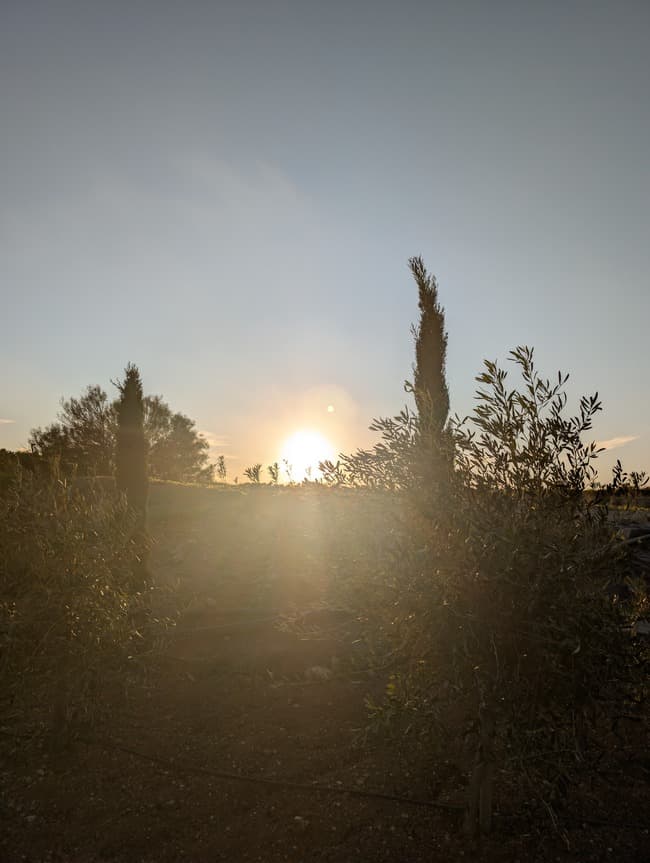
What “Winter Sun” Actually Means (And What It Doesn’t)
Here’s the thing nobody tells you in the headline: winter sun in the Mediterranean does not mean hot. It means mild. It means pleasant. On a good day, it means genuinely lovely. But it does not mean you’ll be in shorts and flip-flops.
Across most of southern Europe and the near coast of North Africa, December through February means:
- Daytime temperatures of 14 to 21°C
- 5 to 7 hours of sunshine on most days
- Evenings cool enough to need a jacket everywhere (dropping to 8–9°C)
In practice, that’s a light jacket or a jumper during the day. It’s sitting outside for lunch. It’s walking for hours without overheating or freezing.
None of this is a reason not to go. All of it is a reason to go prepared. Pack layers, not bikinis. Expect blue sky most mornings and accept that some mornings will be grey. And know that even the grey days, in a city with good food and a cathedral, beat the grey days at home by a distance you’ll feel in your chest.
Before You Pick a Destination, Pick Your Trip
The reason most “winter sun” articles don’t help is that they list twelve places and leave you more confused than when you started. Tenerife and Tangier don’t solve the same problem. Seville and Crete offer different weeks.
Before scrolling through destinations, be honest about what kind of trip you actually want. Not what sounds good on paper — what would genuinely improve how you feel next Tuesday.
- Culture-dense city break (3–5 days of walking, museums, architecture, eating well) → Seville, Valletta, or Palermo
- Island slow travel (a week of unhurried exploration, coastal walks, small towns, reading in the afternoon) → Malta, Sicily, Cyprus, or Crete. Malta in particular suits groups with mixed interests — the island is compact enough that everyone can do their own thing and meet for dinner.
- Maximum warmth (you simply want the warmest European-accessible option) → Canary Islands or Morocco
- Something unexpected (a place that surprises you, gives you a story) → Tangier, Madeira, Málaga, or Athens
What follows is organised around those four instincts. Find yours first. The destinations will follow naturally.
Quick Destination Comparison
Seville vs Valletta vs Palermo vs Malta: Which Is Best for Winter Culture?
It depends on what you’re optimising for. The table below compares every destination in this guide across temperature, sunshine, trip length, and what each place does best — so you can see the trade-offs at a glance rather than reading 5,000 words first.
On mobile, swipe left to see full table details.
| Destination | Avg Temp (Jan) | Sunshine hrs/day | Best For | Ideal Days | Car Needed? |
|---|---|---|---|---|---|
| Seville | 15–17°C | 5–6 | Solo city break, walking, flamenco | 3–5 | No |
| Valletta | 15–17°C | 5–6 | History density, architecture, compact | 4–7 | No |
| Palermo | 14–16°C | 4–5 | Food, markets, raw intensity | 5–7 | Helpful |
| Malta (island) | 15–17°C | 5–6 | 7,000 yrs of history, Gozo, great for groups | 5–7 | No |
| Sicily | 14–17°C | 4–5 | Food, Baroque towns, ancient sites | 5–7 | Yes |
| Cyprus | 17–19°C | 5–6 | Warmth + archaeology, Troodos churches | 5–7 | Yes |
| Crete | 15–16°C | 4–5 | Hiking, Minoan sites, wild landscape | 5–7 | Essential |
| Canary Islands | 20–22°C | 6–7 | Guaranteed warmth, hiking, nature | 5–7 | Helpful |
| Morocco | 18–20°C | 6–7 | Total cultural immersion, souks, food | 3–5 | No |
| Tangier | ~16°C | 5–6 | Literary history, light, gentler Morocco | 3–5 | No |
| Madeira | 18–19°C | 5–6 | Nature, levada walks, mild climate | 5–7 | Helpful |
| Málaga | 16–17°C | 5–6 | Museums, Picasso, walkable weekend | 3–4 | No |
| Athens | 13–15°C | 4–5 | Acropolis without crowds, street food | 3–5 | No |
The Culture City Break: Seville, Valletta, Palermo
These three cities share a specific quality that’s rare in winter: they stay alive. Restaurants remain open. People are on the streets. There’s enough architectural and historical density that three or four days never feel empty — and the winter light, lower and longer than summer, makes everything look better in photographs and in person.
Seville
Seville in winter is one of those things that, once you’ve experienced it, makes you wonder why anyone goes in August when it’s 42°C and the streets are an oven. December through February, daytime temperatures sit around 15 to 17°C with decent sunshine most days. You can eat outside. You can walk for hours. The Alcázar is right there, unhurried and uncrowded.
The city has an unusual depth of things to look at and be inside — flamenco tablaos that are actually better in winter when tourist shows thin out and you end up in a smaller room with a more serious performer, tapas bars that feel like neighbourhood places because in winter that’s what they are, and a cathedral that dwarfs everything around it in the most satisfying way.
The downside is rain. Seville can have stretches of three or four rainy days in January, and when it rains in Andalusia, it rains properly. The other downside is that it isn’t a secret — even in winter, Seville draws visitors, though nothing like summer levels.
Best for a long weekend or a four-day trip. Extremely walkable. Excellent for solo travellers — the bar and café culture here is built for people eating and drinking alone without it feeling like a statement.
Valletta
I live in Malta, so I should be upfront: my perspective on Valletta in January is first-hand, not researched. I’ve walked Republic Street in every month of the year and I know exactly what it feels like when the north wind comes through the grid streets like a channel. I also know what it feels like at 2pm on a clear January afternoon when the sun hits the Upper Barrakka Gardens and you can sit on the bench overlooking the Grand Harbour in a t-shirt.
Valletta is Europe’s smallest capital and one of its most architecturally dense. The entire city is a UNESCO World Heritage Site — every single street has something built before you were born, and most of them before your country existed. St John’s Co-Cathedral, with its Caravaggio and its inlaid marble floor, is one of the most extraordinary interiors in Europe. The city is small enough to walk end to end in twenty minutes, but layered enough that three or four days never feel repetitive. If you want a sense of what a day in Valletta actually looks like, I’ve written about it in detail elsewhere.
Winter temperatures average 15 to 17°C during the day but that number hides important texture. Malta is humid, which means cold feels colder than the thermometer suggests. Houses here don’t have central heating — a fact that shocks every northern European who moves here. But outside, in the sun, sheltered from the wind, it can feel remarkably warm. The trick is knowing where to sit.
Four to seven days works well. The island is small, safe, and built at a human scale. Buses go everywhere. You don’t need a car unless you want one. And if you’re travelling as a group — couples, friends, a mix of interests — Malta has a specific advantage: base yourself in Sliema or Gzira and you have Valletta’s history a ferry ride away, a waterfront promenade for evening walks, restaurants and bars on your doorstep, and views across to the fortified harbourfront that look different every hour. It’s a base that works when not everyone in the group wants to do the same thing every day.
Palermo
Palermo is extraordinary and exhausting in almost equal measure. The architecture is a collision of Arab, Norman, Baroque, and something uniquely its own. The street food is famous for good reason. The markets — Ballarò, Vucciria, Capo — are sensory experiences that operate on a different frequency to anything in northern Europe.
In winter, Palermo is quieter but not dead. Temperatures sit around 14 to 16°C, though the city is more overcast than Seville or Valletta — something multiple travellers note and most articles skip over. It rains more than you’d expect.
What Palermo does better than almost anywhere else on this list is food. The relationship between the city and what it eats is more visceral, more street-level, more woven into the daily rhythm of life. If food is your main cultural lens, Palermo may be the strongest option here.
Best at five to seven days. For solo travellers, Palermo is slightly more demanding than Seville or Valletta — a bigger city with a grittier energy. Some people love that. Others find it tiring after three days. Know which you are before booking.
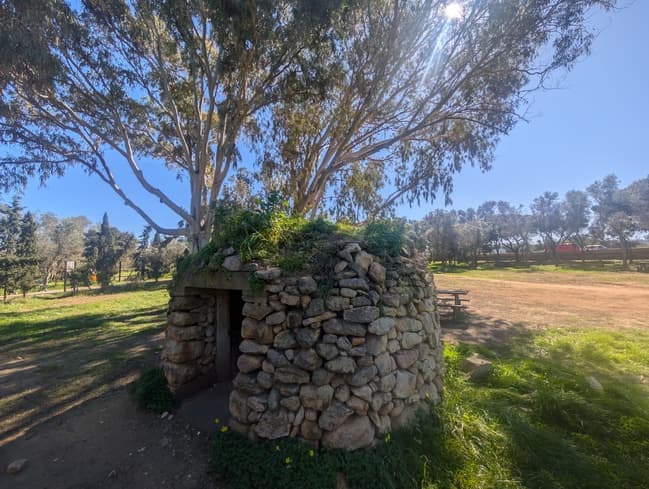
Island Slow Travel: Malta, Sicily, Cyprus, Crete
This is a different kind of trip. Less about concentrated city culture, more about unhurried days — a walk along a cliff, a drive to a small town, lunch somewhere with a view and no queue. Islands in winter have a particular quality: the light changes more visibly, the sea is present in a different way, and the absence of summer crowds turns busy places into quiet ones.
The trade-off is that some islands feel too quiet. Restaurants close. Bus schedules thin. You need to be comfortable with slower days and the occasional afternoon where the best option is a book and a coffee. If that sounds appealing rather than boring, keep reading.
Malta — The Island Beyond Valletta
Most people who visit Malta in winter stay in or near Valletta and experience the island as a city break. But the island itself — and its sister island Gozo — offer something different if you give them a week.
Mdina, the old walled capital in the centre of the island, is eerily beautiful on a quiet January morning. Walk the ramparts and look out over the patchwork fields stretching to the sea. The Three Cities — Birgu, Senglea, Cospicua — across the harbour from Valletta are less visited and in some ways more atmospheric, with narrow streets and a lived-in quality that the restored capital doesn’t quite have.
The coastline in winter is dramatic rather than inviting. The cliffs near Dingli, the salt pans on Gozo, the rocky coves along the south coast — these are walking landscapes, not swimming ones. The sea is too cold for most people, but the views don’t care about temperature.
Gozo deserves at least two days. The ferry takes twenty-five minutes and arrives at an island that feels genuinely rural. The Ġgantija temples — older than the Pyramids — sit quietly in a field near Xagħra, and in winter you might be the only person there.
The practical reality: Malta in winter is a walking-and-eating trip, not a beach trip. Public transport covers the whole island but runs less frequently in winter. The places that stay open are often the better ones. For a month-by-month breakdown of what to expect from Malta’s weather and what’s open when, I keep a separate guide updated.
One thing that’s easy to overlook on a map but obvious on the ground: Malta’s central belt — Sliema and Gzira in particular — offers a different kind of evening to Valletta. The waterfront promenade runs for kilometres with views across to the fortified harbourfront. Restaurants, wine bars, and cafés stay open year-round. If you’re travelling as a group with mixed interests — one person wants history, another wants nightlife, a third wants to sit on a terrace and read — Sliema and Gzira give everyone a base that works without compromise.
Sicily
Sicily is Malta’s much larger, much more spread-out neighbour, and in winter it’s one of the most rewarding islands in the Mediterranean — if you have the time and ideally a car.
The cultural density is staggering: Baroque Noto and Ragusa in the southeast, the Greek temples at Agrigento, Etna snowcapped and smoking, Catania’s fish market, Taormina perched above the sea. Each of these could anchor a day or more, and they’re spread across an island roughly the size of Wales.
The advantage of Sicily in winter is the sense of having the place to yourself. Taormina, which in August is a shoulder-to-shoulder tourist crush, feels like a real town in January. Parking is easy. Restaurants serve you without rush. The ancient sites are yours.
The disadvantage is logistics. Without a car, Sicily is significantly harder to navigate in winter. Train connections exist but are slow. Plan for a minimum of five days, ideally seven.
Cyprus
Cyprus competes with Malta for the title of Europe’s sunniest country, and in winter it generally wins on pure temperature — daytime highs of 17 to 19°C along the southern coast, sometimes touching 20°C in Limassol or Paphos.
The cultural angle is genuine. Paphos has a world-class archaeological park (UNESCO-listed) that’s vastly more pleasant to walk around in 18°C than in the 40°C summer heat. The Troodos Mountains in the interior hide painted Byzantine churches that are individually UNESCO-listed — tiny buildings in villages that barely appear on maps.
Nicosia, the divided capital, is fascinating. Walking from the Greek Cypriot south to the Turkish Cypriot north through the Ledra Street checkpoint is one of Europe’s more unusual experiences.
Five to seven days. A car helps significantly. Solo-friendly in urban areas, slightly isolating in rural ones.
Crete
Crete is the most complicated option on this list, and that’s part of why it’s interesting.
Winter temperatures hover around 15 to 16°C on the coast, with more sunshine hours than you’d expect. The island is enormous — you could drive for five hours without covering all of it — and in winter it reveals a side summer visitors never see. Waterfalls come back to life in the gorges. The mountains get snow. The hiking becomes genuinely pleasant.
Culturally, Crete has depth: the Minoan palace at Knossos, the Venetian harbour at Chania, the fortress at Heraklion, and a food tradition — wild greens, local olive oil, mountain cooking — that’s more rustic and more interesting than the coastal tourist version.
The major downside in winter: access. Most flights route through Athens. The south coast — where the best weather tends to be — can feel remote. Some villages all but close between November and March.
Five to seven days minimum. A car is essential. Solo travellers who are experienced and self-directed will love it. Those who prefer ready-made infrastructure may find it frustrating.
The Warmest Options: Canary Islands and Morocco
Everything above offers culture first and warmth second. These two options reverse that equation — temperature is the headline and you build the trip around it.
Canary Islands
Tenerife and Gran Canaria reliably deliver 20 to 22°C in winter, with more sunshine hours than anywhere else on this list. That’s warm enough for outdoor everything — hiking, café-sitting, coastal walks — and occasionally warm enough for the beach, though the Atlantic is chillier than you’d think.
The trade-off is cultural density. The Canary Islands have interesting volcanic landscapes, decent food, and some local character, but they don’t have the centuries of layered architecture that define Seville or Valletta or Palermo. You come here for the weather first and fill the days around it.
Lanzarote is the most architecturally interesting of the group, thanks to the influence of artist César Manrique, whose work shapes the island’s built environment in ways that reward attention. If you go to the Canaries and you care about design, go to Lanzarote.
Morocco
Marrakech and Essaouira offer something no European option on this list can match: genuine cultural difference. Not just warm weather with old buildings, but a fundamentally different sensory environment — the call to prayer, the medina streets, the souks, the food, the light.
Winter temperatures in Marrakech sit around 18 to 20°C with brilliant sunshine and cold nights. Essaouira on the coast is slightly cooler and windier but has a laid-back creative atmosphere.
The experience is intense in the best sense. Marrakech is not a calm, contemplative city — it’s vivid, demanding, and occasionally overwhelming. For a solo traveller, it requires more confidence than European options. For someone who thrives on that, it’s unmatched. Three to five days for either city.
“In the depth of winter, I finally learned that within me there lay an invincible summer.” Albert Camus
The Wildcards: Tangier, Madeira, Málaga, Athens
These destinations don’t fit neatly into the groups above but solve specific versions of the winter-sun-and-culture problem.
Tangier sits at the northern tip of Morocco, looking across the Strait of Gibraltar toward Spain. A city with a particular literary and artistic history — Paul Bowles, William Burroughs, the Beat Generation — and a quality of light that painters have been chasing for a century. Winter temperatures around 16°C. Less overwhelming than Marrakech, more manageable for a first Morocco visit.
Madeira is the option for people who want warmth and nature over architecture. At 18 to 19°C in winter, it’s reliably mild, and the levada walks — irrigation channel paths through laurel forest — are extraordinary. Cultural depth is limited compared to Seville or Valletta, but the landscape compensates. Funchal has genuine charm.
Málaga has reinvented itself as a cultural city. The Picasso Museum, the Centre Pompidou outpost, the Carmen Thyssen Museum — combined with a walkable historic centre and temperatures around 16 to 17°C, it makes a very strong three-day winter break. Often overlooked in favour of the Costa del Sol resorts that surround it, which is precisely why it still feels authentic.
Athens in winter is underrated. Temperatures around 13 to 15°C — cooler than other options — but with the Acropolis largely to yourself, extraordinary museums, and a street-food and café culture that works perfectly for solo wandering. The light hitting the Parthenon on a clear winter afternoon is worth the slightly cooler temperature.
Choosing Quickly: What Matters Most to You?
The best winter sun destination depends entirely on what you’re optimising for. If this article has given you too many options rather than too few, here’s a faster way to decide.
- Deepest history per square mile → Valletta or Seville. Both small enough to walk in a day, layered enough to fill a week.
- Best food → Sicily — specifically Palermo and the southeast. Nothing else comes close for sheer culinary culture.
- Warmest temperature, full stop → Canary Islands. Twenty-two degrees in January.
- Easiest solo city break → Seville or Málaga. Walkable, safe, great café culture for one.
- Genuinely surprised → Tangier or Crete. Both reward curiosity and tolerate uncertainty. Neither is easy. Both are memorable.
- Travelling as a group with mixed interests → Malta. The island is compact enough that people with different priorities — history, food, walking, nightlife — can split during the day and meet for dinner without anyone feeling they’ve compromised. Seville also works well for groups, but with less variety beyond the city itself.
- Best combination of sun, culture, and compact scale → Malta. That’s my bias showing, but it’s also what I’ve watched hundreds of winter visitors conclude for themselves.
How they actually feel, side by side
Seville and Valletta are the most walkable — compact enough that your feet and a coffee stop are all you need. Sicily and Crete are driving destinations. The Canary Islands feel warmest on your skin; Seville and Malta feel warmest culturally, in the sense that life is visibly happening around you in December.
For solo travellers, Seville and Málaga are the most effortless. For groups of friends or couples with different tastes, Malta is hard to beat — the island is small enough to share without anyone needing to follow someone else’s plan. Palermo and Marrakech are the most intense: extraordinary, but they ask more of you. And honestly, fifteen degrees in Seville’s sheltered plazas can feel gentler than nineteen degrees on a windy Cypriot coast. How warmth feels matters more than what the forecast says.
The Practical Reality
A few things worth knowing that apply across all these destinations.
Daylight. Mediterranean winter days are longer than northern European ones — roughly ten to eleven hours versus eight — but they’re still short. Sunset in Malta in January is around 5:15pm. Plan outdoor time for the middle of the day.
Rain. Every destination on this list gets rain in winter. Rain in the Mediterranean tends to come in intense bursts followed by clearing skies, rather than the all-day drizzle of London. Plan for indoor options. The best destinations reward rain days with museums and long lunches.
What stays open. This varies enormously. Seville and Valletta are year-round cities. Taormina and Ayia Napa largely shut down. Before booking, check whether restaurants, museums, and transport at your destination operate normally in winter.
Flight access. Most destinations are a two-to-four-hour flight from London, Paris, or Berlin. Low-cost carriers serve them year-round, though frequencies drop. Mid-week flights are cheaper. Malta is well-connected from most European hubs. Crete is the exception — winter flights typically require a connection through Athens.
What to pack. A decent waterproof jacket that packs small, one warm layer for evenings, comfortable walking shoes that handle wet cobblestones, and sunglasses — because when the sun comes out, it’s low and bright and you’ll need them more than in summer. Leave the beach gear. Bring a scarf. If Malta is where you’re heading, I’ve written a specific winter packing guide with more detail.
Walking and Accessibility by Destination
This matters more than most winter sun guides acknowledge. Mediterranean old towns are beautiful and often brutal for anyone with mobility issues.
On mobile, swipe left to see full table details.
| Destination | Terrain | Mobility Notes |
|---|---|---|
| Seville | Flat ✅ | Best option for mobility — historic centre is largely level and well-paved |
| Valletta | Steep ⚠️ | Built on a slope with steps connecting almost every street — spectacular to look at, exhausting to navigate |
| Palermo | Uneven ⚠️ | Historic centre is potholed and challenging |
| Málaga | Flat ✅ | Manageable — mostly level historic centre |
| Athens | Mixed | Plaka district is walkable; Acropolis hill is not |
| Crete | Steep ⚠️ | Villages can be steep and rough underfoot |
| Limassol | Flat ✅ | Manageable promenade and centre |
Winter pricing. Accommodation across most Mediterranean destinations runs 30 to 50 percent less than summer rates — sometimes more. Flights follow the same pattern, especially mid-week. Seville, Malta, and Sicily in particular offer noticeably better value in winter, and the lower prices often come with better service. This isn’t a reason to go. But it’s a reason not to postpone.
Malta as a Winter Week: What It Actually Looks Like
Malta in winter means 15 to 17°C most days, five to six hours of sunshine, no crowds, and more history per square kilometre than almost anywhere in Europe — alongside occasional wind, rain that arrives like a monsoon and leaves within the hour, and stone apartments that hold the cold in a way that surprises everyone.
Here’s the unedited version of a winter week, from someone who lives here.
You’ll wake up some mornings to hard blue sky and sunshine that makes you want to eat breakfast outside. You’ll wake up other mornings to rain hammering the windows and wind rattling the shutters, and you’ll briefly question your life choices before it clears by noon.
You’ll walk Valletta’s grid streets and notice how the light changes through the day — morning sun on the east-facing façades, afternoon gold on Republic Street, and the Grand Harbour turning pink at sunset. You’ll visit St John’s Co-Cathedral and stand in front of Caravaggio’s Beheading of Saint John the Baptist and feel something genuinely rare. You’ll eat pastizzi from a hole-in-the-wall in Rabat for less than a euro and wonder why they aren’t famous worldwide.
You’ll take the ferry to Gozo on a calm day and walk the cliffs above Dwejra and see no one else for an hour. You’ll sit outside a bar in Birgu at 3pm in a t-shirt and think this is exactly what you came for. Then you’ll walk back to your apartment at 7pm and put a jumper on, because Malta doesn’t do warm evenings in January.
And if you’re based in Sliema or Gzira, the evenings have their own thing entirely. The waterfront promenade lit up after dark, Valletta glowing across the harbour like a film set. Restaurants that stay open because the locals eat there, not because a tour bus is coming. A glass of wine at a harbour-view terrace where the conversation is louder than the music. It’s a different register to Valletta’s daytime grandeur — more relaxed, more social, more alive after 9pm.
- Indoor spaces in Malta can be cold. Stone buildings without heating hold the chill. Bring warm layers for evenings indoors.
- Some restaurants close in winter, particularly in tourist-dependent areas like St Julian’s and Buġibba — where you stay matters more in winter than in summer.
- Buses work but run less often.
- Rain, when it comes, can be tropical in intensity — streets flooding, drains overwhelmed — before clearing to sunshine within the hour.
What makes Malta work in winter, despite all of that, is the density. Seven thousand years of human history on an island seventeen miles long. Three UNESCO World Heritage Sites. Temples older than the Pyramids. A capital built by knights. And enough sunshine to make walking between all of it genuinely pleasant on most days.
It’s not paradise. It’s better than that. It’s real, and it’s liveable, and it costs less in January than almost any other time. If it’s the one that caught your eye, here’s where to start planning a winter week.
STAY IN GZIRA — OUR APARTMENT
A designer 2-bedroom apartment in Gzira. Sleeps up to four. Walking distance to the ferry, the promenade, restaurants, and nightlife — with Valletta ten minutes across the harbour.
- Two bedrooms, full kitchen, fast WiFi — set up for a proper week, not a hotel stopover
- Winter rates are significantly lower than summer — check availability for your dates
Disclosure: this is property sponsors ManicMalta
The Case for Mild
There’s a moment, usually on the second or third day of a winter Mediterranean trip, where something shifts. You stop comparing the temperature to summer. You stop checking the weather app. You just walk. You sit. You look at light on stone or sea, and you feel the thing you came for, which was never really about warmth at all.
It was about remembering what it feels like when the sky is blue at three in the afternoon. When you can sit outside without calculating wind chill. When the evening doesn’t start at half past four.
Fifteen degrees and sunshine is not a compromise. It’s a different way of being warm — not on your skin, but somewhere deeper. A few days of it, in the right place, is enough to carry you through the rest of winter.
You don’t need a beach. You just need the light.
Frequently Asked Questions
Is it actually warm enough to sit outside in the Mediterranean in January?
On most days, yes — during the middle of the day, sheltered from wind. Expect 14–21°C depending on destination. You’ll want a light jacket, and evenings will be cool (8–10°C), but lunch outside in sunshine is genuinely pleasant across all destinations listed.
Which destination is warmest in winter?
The Canary Islands (20–22°C) and Morocco (18–20°C) are warmest on paper. Among culture-first options, Cyprus edges ahead at 17–19°C. But “felt warmth” varies — sheltered Seville at 16°C can feel warmer than windy Cyprus at 19°C.
Do I need a car?
For Seville, Valletta, Málaga, and Athens: no. For Sicily and Crete: yes, essential. For Cyprus, Madeira, and the Canary Islands: strongly recommended. Malta works without a car thanks to its bus network, though one helps for Gozo.
Are these destinations good for solo travellers?
Seville and Málaga are the easiest — the café-and-bar culture accommodates one person naturally. Malta and Athens are close behind. Palermo and Marrakech are rewarding but more demanding. Crete and rural Cyprus can feel isolating without a companion.
Which destination works best for a group of friends or couples with different interests?
Malta is the strongest option. The island is small enough that one person can spend the day at temples, another can walk the coast, and a third can explore the food scene — then everyone meets for dinner without anyone needing a car or complex plan. Sliema and Gzira make an especially good group base, with nightlife, restaurants, and waterfront views alongside easy access to Valletta.
How much cheaper is winter than summer?
Accommodation typically runs 30–50% less than peak summer rates. Flights follow the same pattern, especially mid-week. Seville, Malta, and Sicily offer particularly noticeable winter savings.
Will things be closed in winter?
Seville and Valletta operate year-round and feel like normal life with fewer tourists. Seasonal resort towns (Taormina, Ayia Napa, parts of Crete’s south coast) can be shuttered November–March. Always check before booking.
Which destination has the most to see in the fewest days?
Valletta and Seville both pack extraordinary density into compact, walkable footprints — three to five days covers serious ground. Malta as an island adds temples, coastal walks, and Gozo if you extend to a week.
Is Malta accessible for people with mobility issues?
Valletta is challenging — it’s built on a slope with steps everywhere. The lift at Barrakka Gardens and the new city gate area help, but most of the grid requires stairs. Seville is the strongest option for flat walkability among culture destinations.
What should I pack for a winter Mediterranean trip?
A packable waterproof jacket, one warm layer for evenings, comfortable walking shoes that handle wet cobblestones, sunglasses, and a scarf. Leave beach gear at home. If heading to Malta specifically, see our winter packing guide.
Last updated: February 2026.
Stay in Gżira near the promenade
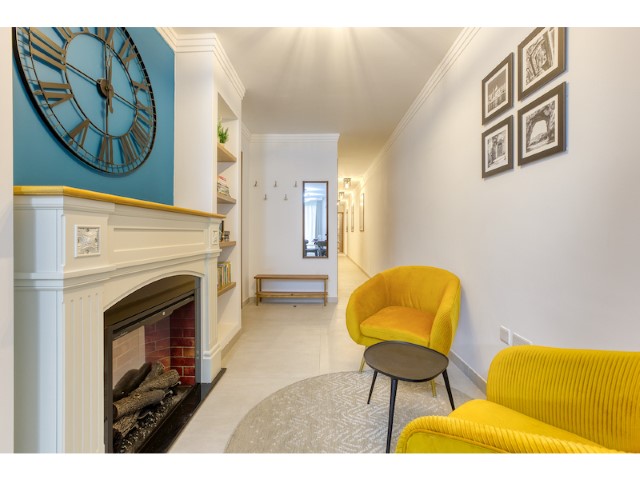
A designer 2-bedroom apartment in Gżira, close to the church, around 2 minutes from the promenade, and near Manoel Island.
View on Airbnb