


| Malta Short Let: Cozy Stay in Gzira | |
|
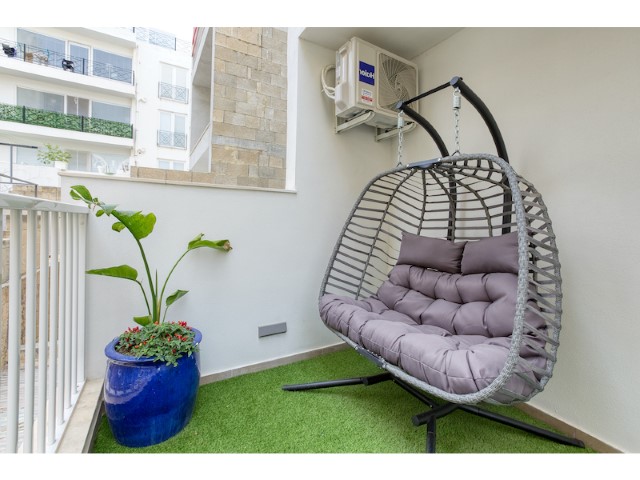
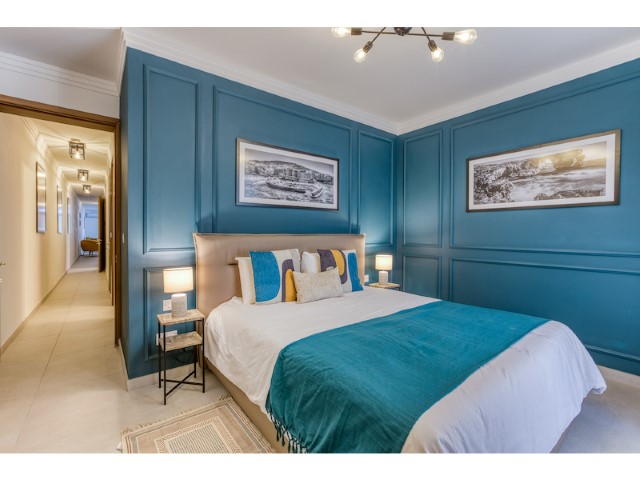
Sliema Area Modern Designer Finished 2 Bedrooms + Games Room. First floor with Maltese Balcony Large back Terrace with swinging sofa Fully Airconditioned + Full Kitchen 3 TVs, including 65” with backlight. |
 |
|
Book Now: Google Travel | Direct (Cheapest) | Booking.com | Airbnb |
|
Welcome to a marvel in the Mediterranean sea
Come to re-charge and re-energize. You Deserve it.
Probably you want to bookmark this page, and send it to those you will be travelling with!
Getting there:
Ryanair have some great deals! Air Malta as well. You can take a Ferry from Sicily or Genoa to Malta as well. If you are coming by your private boat there are plenty of Marinas. (check before hand for availability).
You can also setup an alert on google flights and they will let you know when flight prices drop.
Best Time to visit :
All year round is good! Each season has it’s own magic. In spring, summer and autumn you have the sea. In winter you can enjoy sunshine and the landscape.
Best Location to stay:
Hands down Sliema and Gzira! In these neighbouring localities fun is always a few meters away. These two tourist beach towns are very well connected to the rest of the island.
Suggestion : A Spacious Short term rental in Gzira
Experience the charm of Malta in this beautifully appointed 2-bedroom apartment located in the heart of Gzira, one of the island’s premier tourist areas. Situated on the first floor, the apartment seamlessly blends modern comfort with Maltese-themed décor and artwork. Relax in the spacious living room featuring a 65″ backlit TV and an electric fireplace, or unwind on the back terrace’s hanging sofa. For entertainment, there’s a separate games room equipped with table soccer and a blackboard. The apartment also offers three separate desk areas for work or study, a cozy armchair nook, and a physical book library. Enjoy the traditional Maltese balcony overlooking the vibrant streets, and rest easy with full air conditioning throughout. With its central location and luxurious amenities, this apartment provides the perfect base for exploring all that Malta has to offer.
Book the AirBnB in Sliema (Malta)
Suggestion : A Cosy Short term rental in Sliema
Experience the best of Malta in this charming 1-bedroom apartment situated in the heart of Sliema, one of the island’s most vibrant and central tourist areas. Located on the second floor, the apartment features a traditional Maltese balcony that offers delightful street views. The interior is fully air-conditioned and adorned with Maltese-themed décor, beautiful pictures, and art. Relax in the cozy living room equipped with a 55″ backlit TV, or enjoy some fresh air on the back balcony. For your convenience, separate desk areas are available for work or study. With its prime location and modern amenities, this apartment provides an ideal base for exploring all that Malta has to offer.
Book the apartment in Gzira (Malta)
Day 0: Prepare your trip!
Land, Check-in and off to the beach! :
Sliema and Gzira area
Sliema & Gzira
Getting there:
Book an eCabs (local Uber) taxi before you arrive in Malta, it is cheaper and more efficient especially if you arrive at night. You can hire a car for a few days, but probably you will not need it for all your stay. In Malta we drive on the left
Like a local:
It is a good idea to have UV Sunscreen and a hat before you arrive, for all the family members in any season. Do use them on the first day out. In summer some extra UV protection such as long sleeves and sun umbrella might come in handy.
Hotels are nice. However having the privacy of a complete apartment. Several times larger than a miniscule hotel room has a lot more advantages. An apartment today has all the amnesties of a hotel room with apps, like Bolt you have room service at your finger tips. Short let apartments in Malta are high regulated, clean and value-for-money and probably this kind of accommodation offers the best value for money.
This Malta self guided itinerary has been done with families in mind, for a 8 to 10 day stay in Malta and a bit of Gozo. Of course you are free to pick and mix any of the activities below in any order and as you see fit. Your feedback is most welcome! Contact us.
Check the top 15 things to do for families in Malta

Book your flight and your stay.
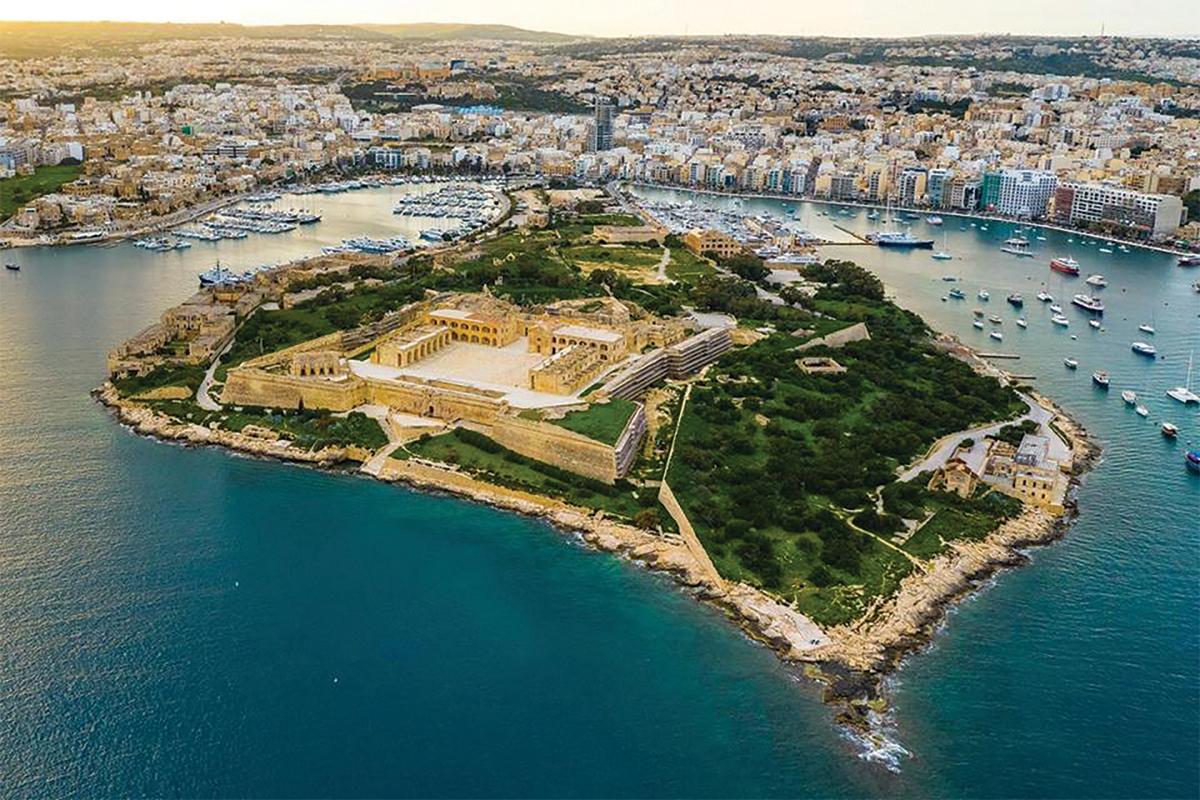
Gzira Beach – Manoel Island
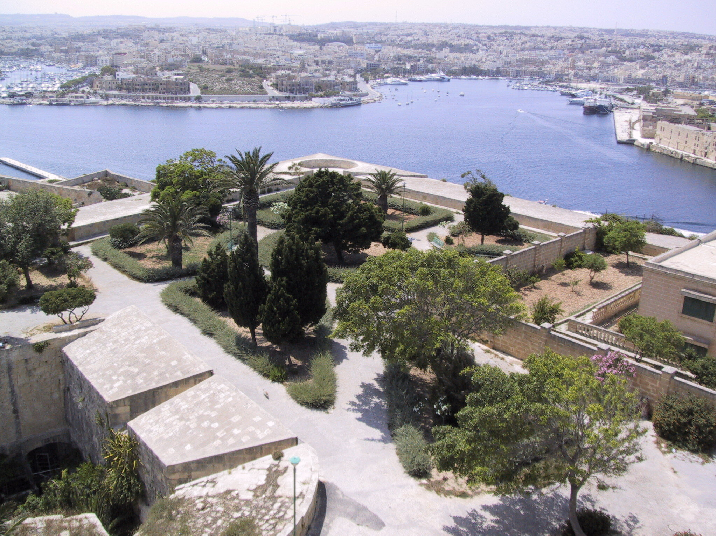
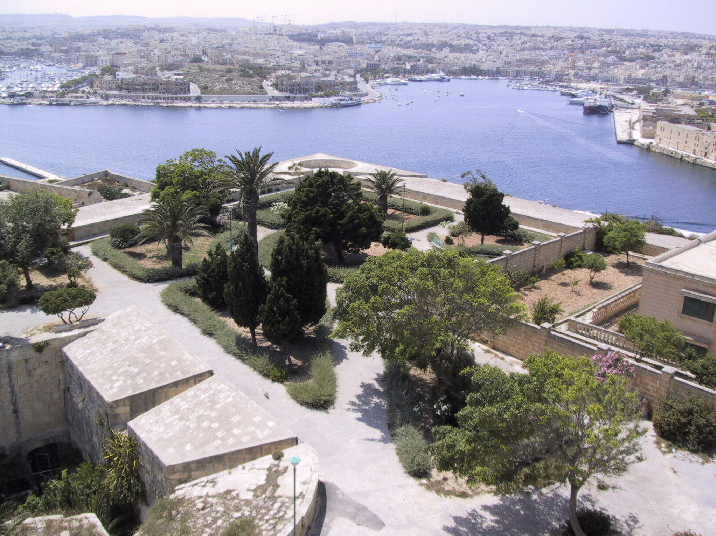
From this beach you have excellent views of Valletta.
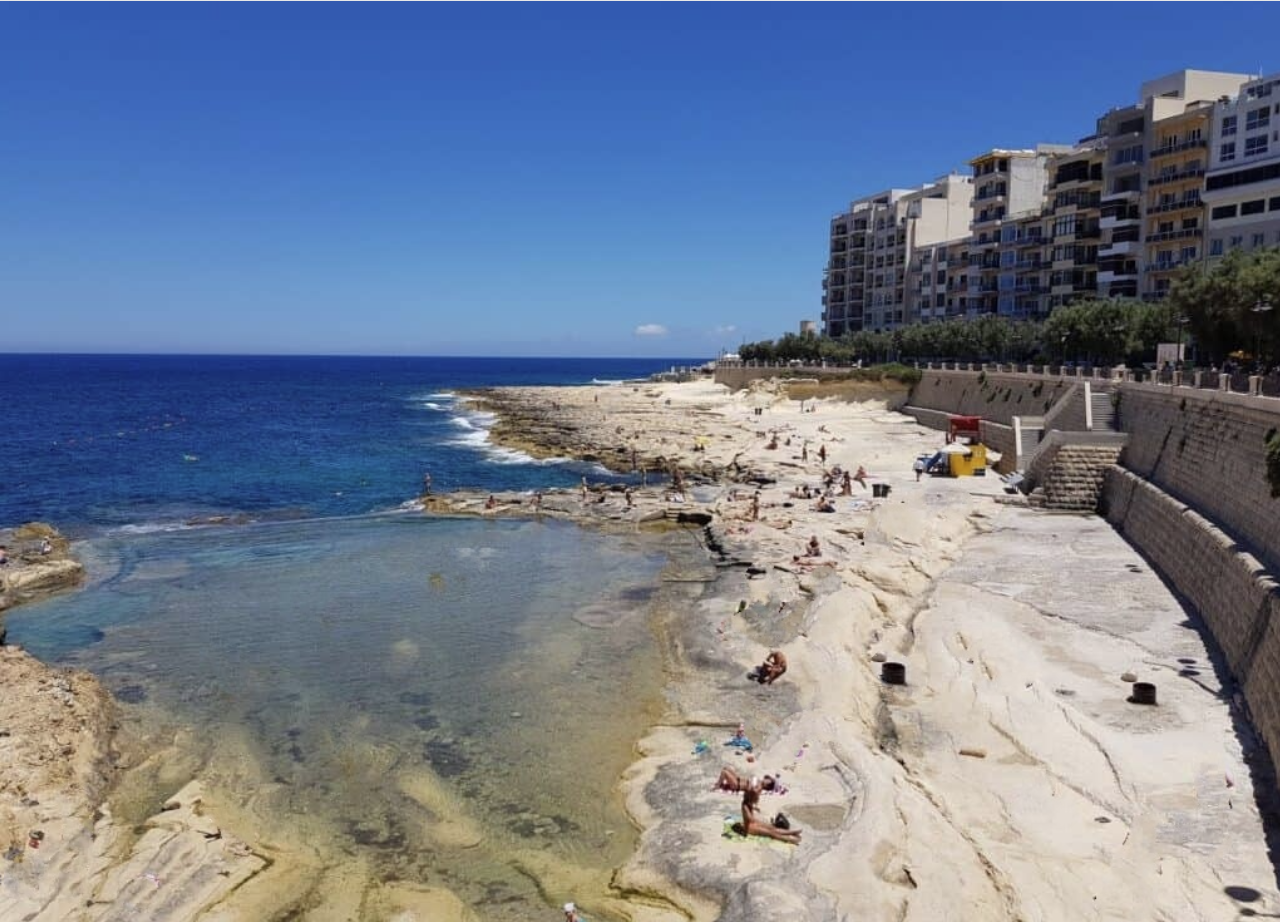
Sliema beach.
You can Swim anywhere along this coast line.
Enjoy all the blue sea stretching far into the horizon.
Day 1: Coffee, Beer and Food
It’s your first day fight the jetlag with some good Coffee and some fresh sea breeze.
Visiting : Sliema and Gzira area
Note : We kept this day light, given people arrive at different hours of the day. If you come in early in the morning or late at night, you can skip to day 2 and visit Sliema / Gzira areas in between your other trips.
Sliema and Gzira are the prime prime tourist areas in Malta, for good reasons. You can find anything here; coffee shops local and international restaurants, live entertainment, beach, shopping malls, promenades and trendy swimming pools.
Do try the mouth watering Maltese Pastizzi and Qassattat!
Take a walk along the promenade and enjoy some chill time at one of the many restaurants and bars along the promenade.
“MadAsia” Beer and Drinks
Usually a bit more popular towards the late evening. Some snacks served.
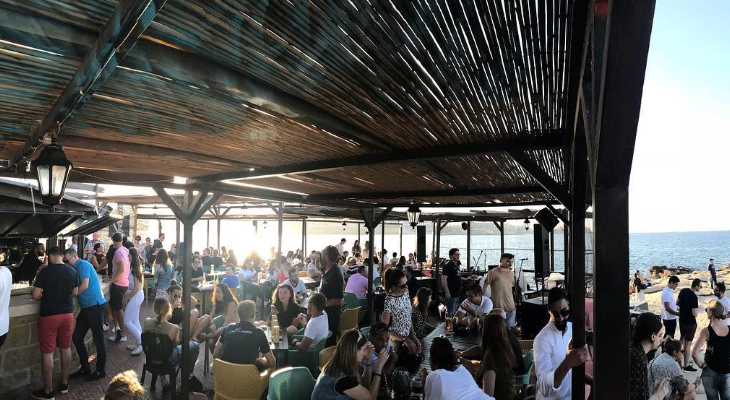
“Exiles“
Is a restaurant and bar that is right on the beach!
Opens from the afternoon till late at night. Jolly crowd.
Sometimes hard to find a spot to sit, but the rocky beach is a few steps away.
Day 2 : Valletta
Visit the capital of Malta, a UNESCO World heritage city
Take The Water Taxi from Sliema to Valletta
Less than 15 minutes to cross the harbour. Enjoy the views along the way!
Visiting Valletta
Getting there :
There are many ways to get from Gzira/Sliema to Valletta :
Bus : Sliema to Valletta by Public transport. 25 minutes
Share Ride : Uber/Bolt or eCabs.20 minutes
Water Taxi : Sliema water taxi on the side. 20 minutes. Most fun!
Walk : It’s a good 90 minute hike, but interesting and invigorating.
Short history of Valletta :
The City was designed by the Knights and built by the sweat of the local Maltese and many others. The city is marvel to visit, even more when you consider that it has been built without modern machinery. It is one of the first cities to feature a grid system. The stairs are wide so man in heavy armour could climb up and down easily!
Valletta is a bustling city, with open markets and many excellent sites to visit. (see below) It is a mix of cultural, entertainment and culinary delights.
The knights colonization of Malta has it’s biggest impact in Valletta, their dominion ended with the French invasion in 1798. The French y abolished the inquisition, slavery and provided free education. Local power struggles resulted in the Maltese pushing out the French, 10,000 locals turned up to throw the French out. Valletta the fortress became Valletta the prison as the French locked themselves in the city.
Two years later in 1800 the British Empire showed up and took over the islands. They ruled continually over the land and it’s people for 230 years. The island was a resort and a trading base for the British colonial powers. A playground for them, but home for the locals. In World War II, Valletta being so close to the dockyards where the allied forces repaired their ships was heavily bombed.
In 1964, a constitutional referendum took place and won by a margin of only 5%. (I wonder why the majority did not want freedom)
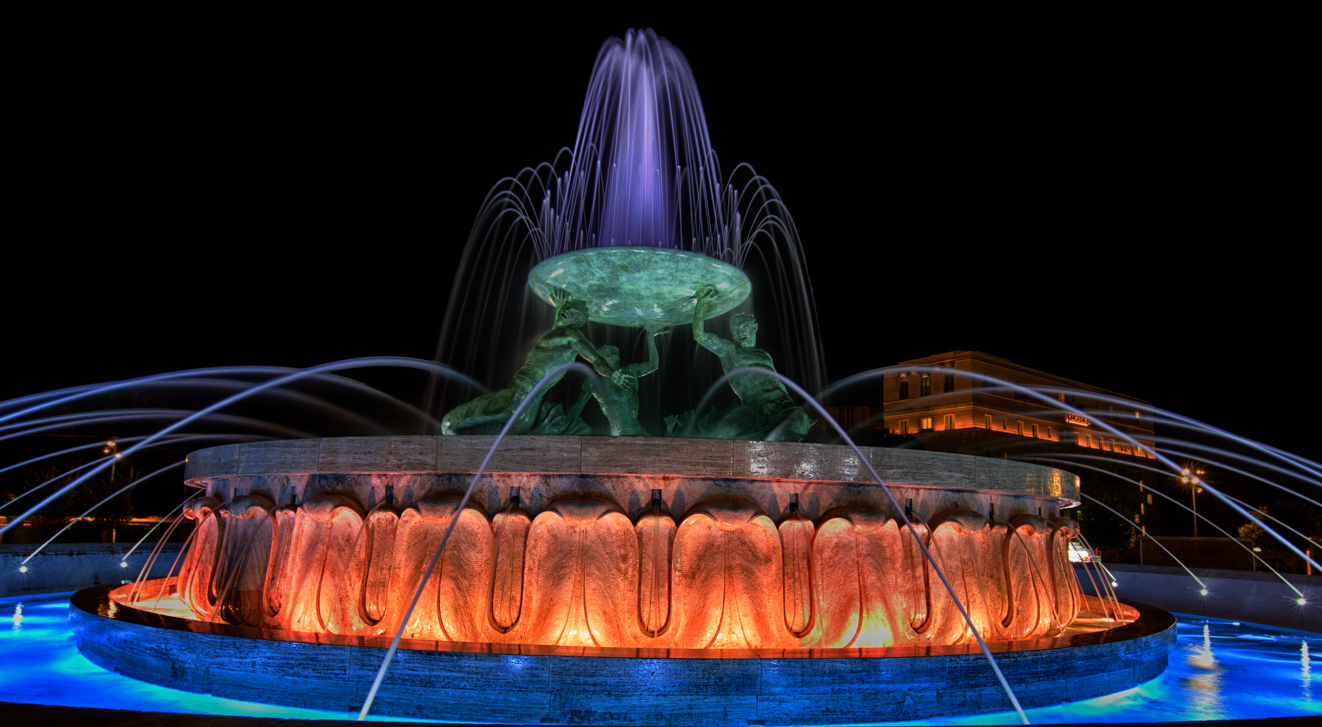
Since then a lot of investment has gone into modernization of Valletta. A new parliament was built, the main fountain has been refurbished, the old busses have moved out and night life has returned.
Like a local:
The upper barracka gardens are a must see. in the upper upper right hand corner of these gardens, there is a lift which will take you down to the water taxi which connect with Birgu three Cities.
In some cafeterias, you can order your tea with both skimmed milk (Halib tal-bott) and fresh milk (Halib tal-flixkun)
Valletta night life is booming, straight street and many other areas are full of locals and tourists. Please do respect the locals. Maltese are a hardworking bunch and need their good night sleep as many most wake up at 6am to go to work.
Whilst haggling is not a common practice, it is OK to ask for a discount in the open market
Super 5 is the most popular local lottery. Try your luck for 2.5 Euros
Floriana, the town before Valletta also has some impressive sights to visit. Such as the granaries and King George V gardens. It is a short walk away from Valletta.
Valletta is filled with restaurants and corner shops that offer local Maltese food delicacies.
Day 2 : Valletta
Visit the capital of Malta, a UNESCO World heritage city
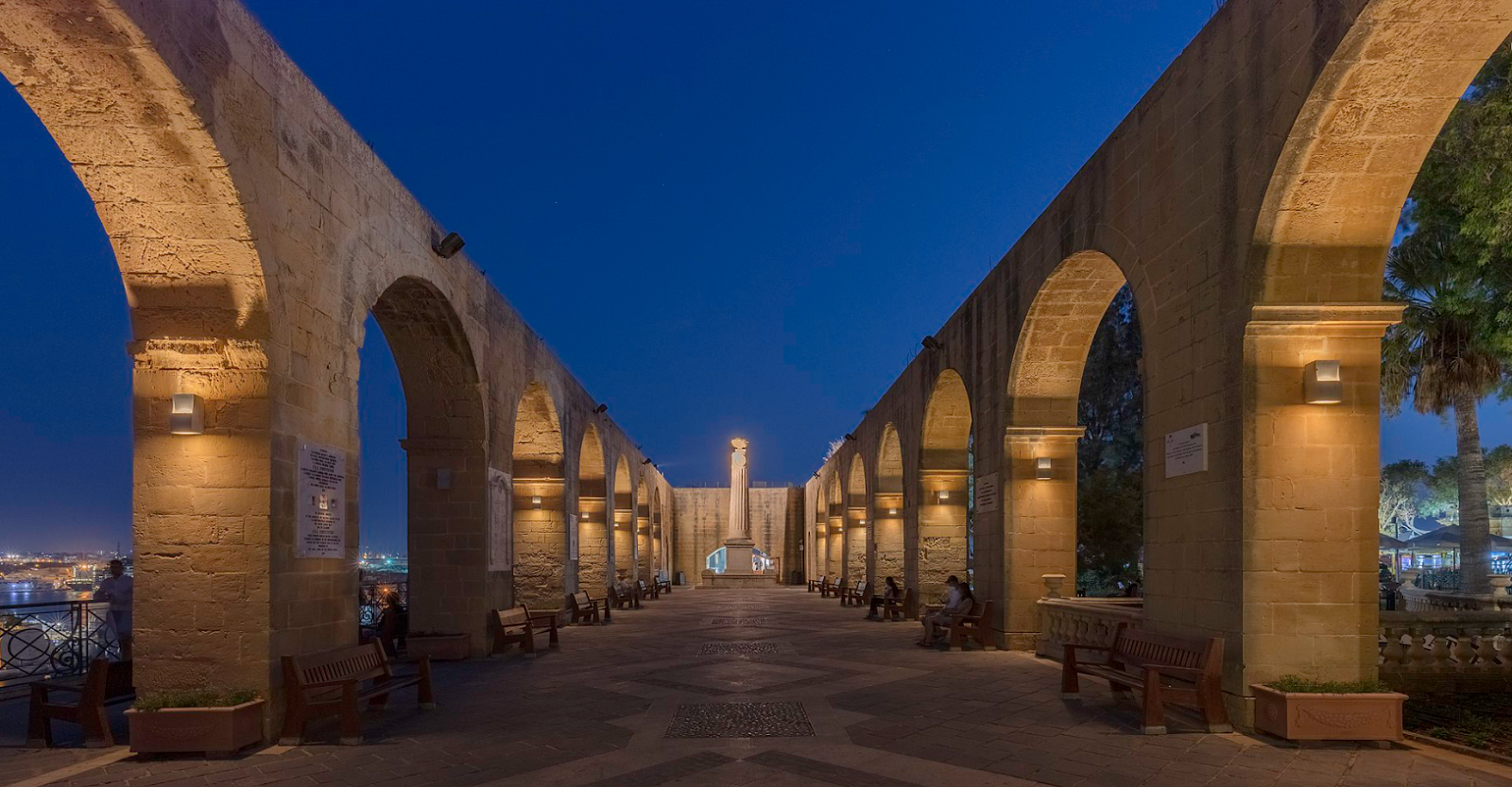
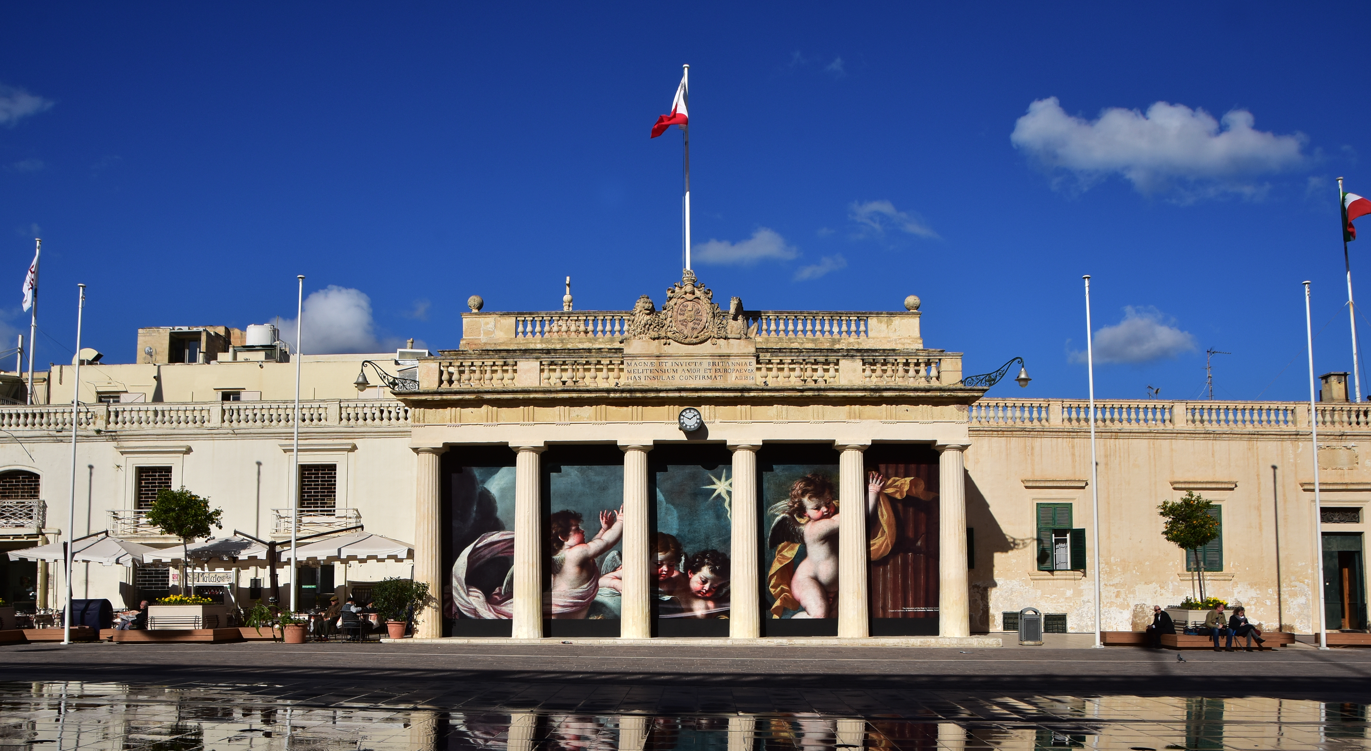
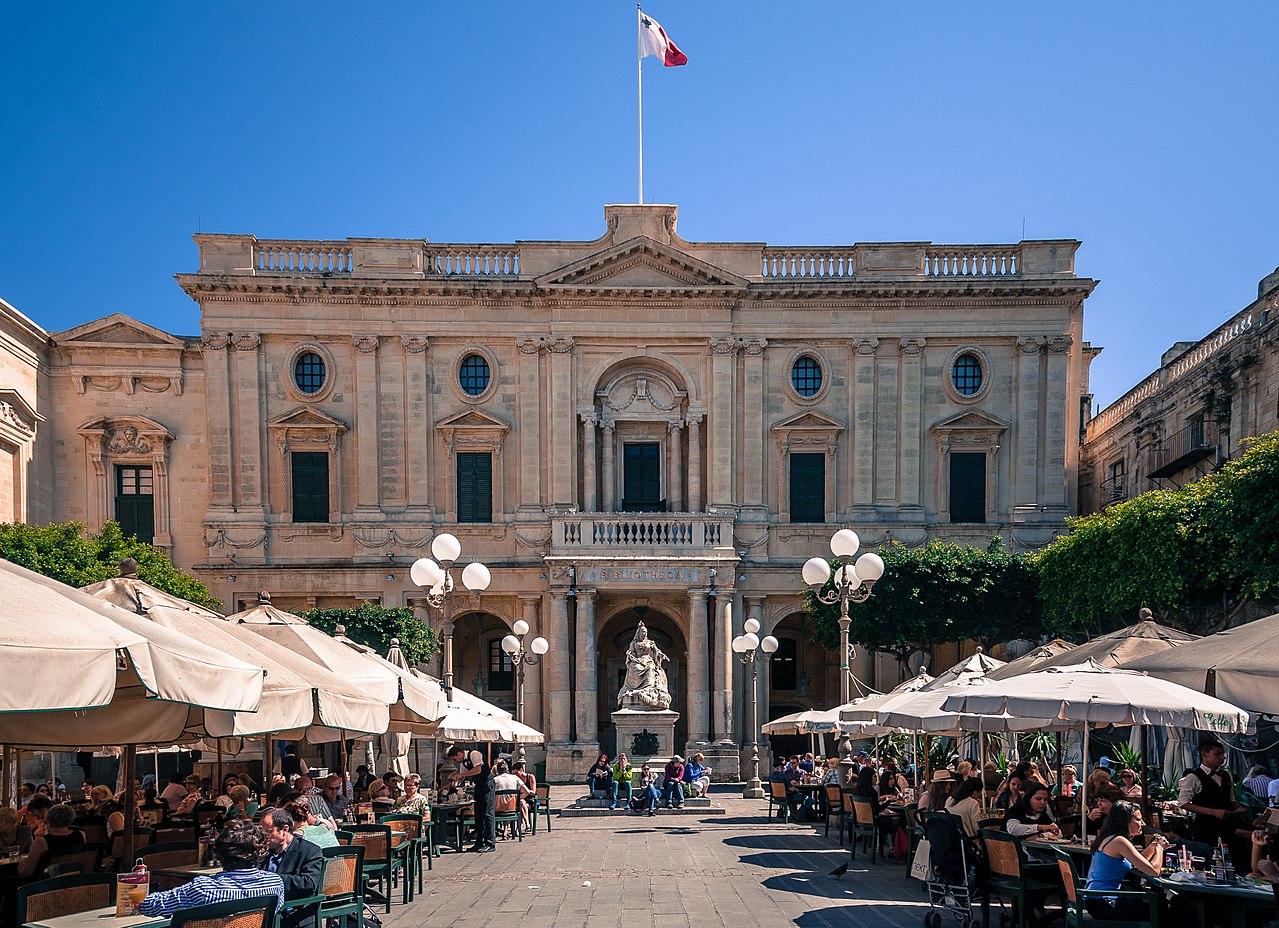
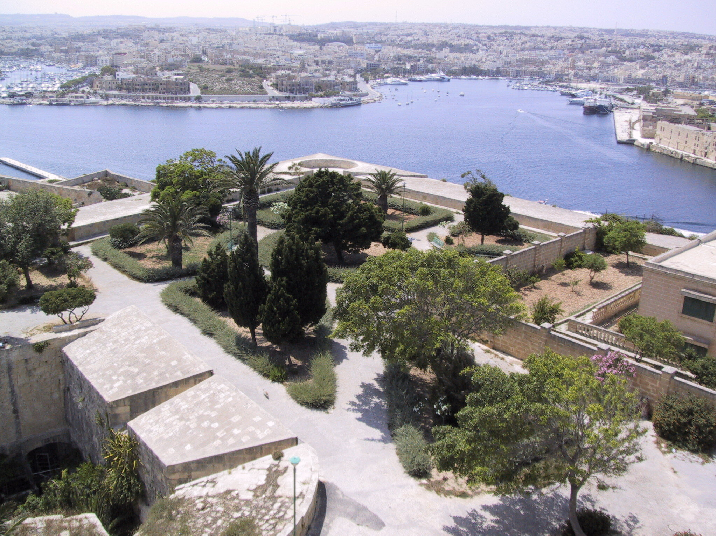
Hastings Garden and View Point
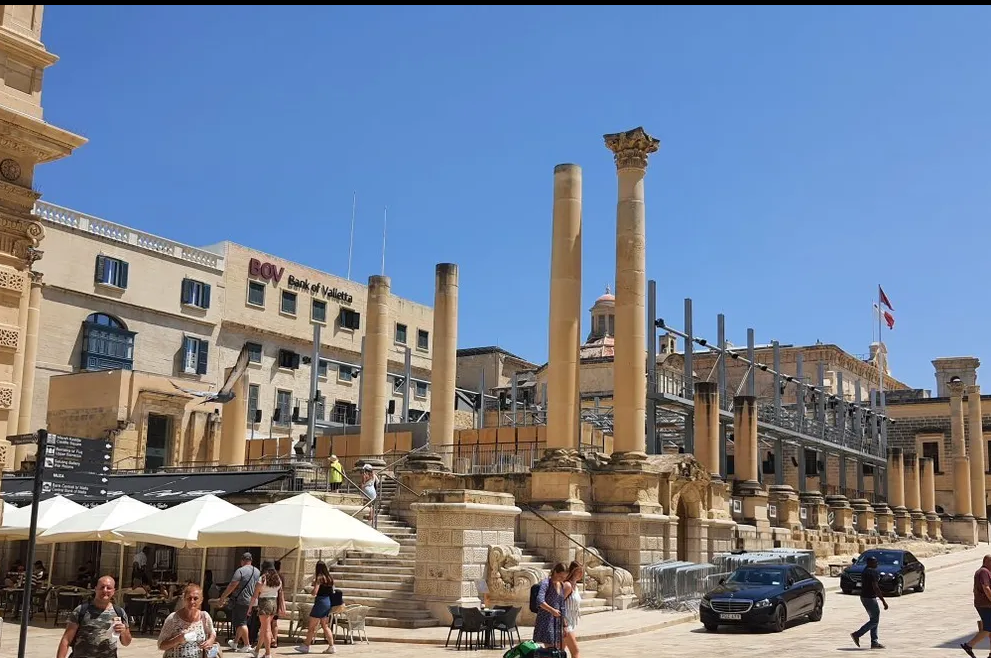
Day 3: The Three Cities
Birgu, Bormla, Isla
Tips for the three cities
Getting there :
By Water Taxi: From Sliema Ferry to Valletta, walking to the Valletta Ferry and then taking another water taxi to Birgu.
By Bus: About 1 hour and one bus change, Sliema you the three Cites by public transport.
By Taxi: Use the app.
You can easily spend half a day or even a whole day around this area. The Birgu Ticket gives you better deals when visiting
About the three cities:
The three cities are: Birgu, Bormla and Isla. They are marinated in hundreds of years of rich cultural history. You can only experience this through your 5 senses. The cities have seen their fare share of blood, war and love. These lands cities have been fought over by empires throughout the millennia. Layering in their scars on the land, the people, the customs, the language and the culture.
The south of Malta is the most densely populated part of the island.
All the big empires colonized Malta or attempted to do so. The Phoenicians, Greeks, Romans, Byzantines, Arabs, Normans, the Order of Saint John, the Italians, the French, the British and the Germans. The Three cities were always central pieces in the invasion chessboard. All these sieges, colonisations and oppression, need fortresses to establish control over the land. Defending is cheaper than attacking.
Isla is as fortified as Valletta and overlooks the main port. Bormla held the drydocks which was used to repair military ships . In the 70’s,80’s the drydocks were an important source of air pollution due to grit blasting of the ships. The area has now been replaced with gardens and canals.
The most renowned siege is the 1565 Ottoman siege of Malta. Where an expeditionary force tried unsuccessfully to take over the city. After many months of blood shed and reinforcements coming to aide both sides, the Ottomans called it a day and left.
While walking through these streets, along the massive fortifications at the sea edge. One cannot but see how much blood our forefathers shed for freedom. Freedom of information, self governance, choice of religion and true democracy. The three cities are a testament that this value, does not come for free.
Evil forces will always try to trick us out of these values. Each stone in those fortifications, each tower and fortress is a message from the past generations to our generation and the next. Telling us that freedom is a diamond. Each generation inherits this diamond with the responsibility to preserve, secure and perpetuate it to the next generation.
You can only see their message in person, come to Malta!
Like a local:
Travelling with the Bus could potentially be faster, as they have their own lanes on some of the main roads.
The Rinella Beach is the local bathing spot in this part of the island.
Early morning on Tuesday’s there is a Birgu flea market which has everything from toys, clothes, books and food. It is mainly active between 8am and 10am. It is very local, and an opportunity to see what day to day life in Malta is like.
Park San Klement is nice for a relaxed picnic and for your kids to play. If you want to eat there, take a packed lunch or check if Uber Eats / Bolt will deliver to you at the entrance of the park.
The Zabbar Church is almost like cathedral like and worth a quick visit. The Fgura church is an architectural marvel. If you are hiring a car, they are worth a quick visit. Please do respect any ongoing services
Self Guided Walk In the Three Cities
Duis mollis, est non commodo luctus, nisi erat porttitor ligula, eget lacinia
How to get there.
Bus, Taxi, Uber / Bolt / eCabs or Water Taxi : Sliema to Valletta and Valletta to Birgu
Day 4: Explore Mdina, Rabat
Brilliant Views, Open Spaces, Rich History and Culture
Self Guided Walk In the Mdina
Have a walk in Mdina, Enjoy the history of the small fort. Some of the best views across the islands. Top-up your energy in the awesome cafeterias serving sweet and savoury delicacies !
How to get there.
Bus, Taxi, Uber / Bolt / eCabs
Use Google maps to figure out the best way for you.
Mdina, Rabat and beyond
Getting there:
Travelling to Mdina by bus, shared ride is relatively easy. However venturing out in areas like Landrijiet and Fomm ir-rih will be much easier using a car rental. You could combine day 4 and day 7. However, day 7 is a very packed day. Most likely you would need to make a few top picks if you plan to combine the two.
About Explore Mdina and Rabat:
Mdina is a fortress built on a plateau overlooking vast swaths of good arable land. It is smaller then Isla and Valletta. One can only wonder the fear that motivated our forefathers to build such an architectural marvel. The investment into this project at the time was huge. But life is priceless, human kind will go to extremes to protect their children. This wonder is testament to their perseverance to protect their life and those of their families. Mdina seems to have been mainly inhabited by nobility though, whilst the commoners lived in the surrounding towns. (No Surprise there) In earlier times Mdina was much larger. Military engineer s reduced it’s seize to make it more defendable.
Mdina was founded by Muslim traders and built together with their slaves. The Byzantines and Sicilians fought over it to. In 1530 the nobility “gave” the keys to the city to the knights of St John. The Ottomans approached the city but never attacked. In 1798 the French, took Mdina only to be kicked out by the Maltese and then the English. Which then ruled over the islands and the Maltese for only 230 years.
Self Guided Walk in Rabat and Self Guided Walk in Mdina.
Like a local:
The Serkin bar was put on the map when then Maltese prime minister Dr Muscat, Belgian Prime Minister Charles Michel, Luxembourgish Prime Minister Xavier Bettel and Slovenian Prime Minister Miro Cerrar. Went for an impromptu snack of Maltese pastizzi and tea in a glass.
There is a sizeable children’s playground at the entrance of Mdina. Where kids (under 12ish) can have fun and mix with some locals!
“Gianpula Village” offers some night life options and is very close to Mdina.
Day 5: Gozo
Malta’s sister island
Gozo
Getting there:
You have several options:
Get to Cirkewwa port (by bus or car) and then take the ferry to Gozo. Sometimes the ques to cross the channel can be long especially during long weekends.
There are ferries from Sliema and Bugibba to Gozo, these tend to be more expensive. However you have a reserved ticket.
About
Gozo is special and is certainly worth visiting for one day. This little island, has quite a number of memories in store for your group that are just waiting to be unpacked
There is something for everyone on the island:
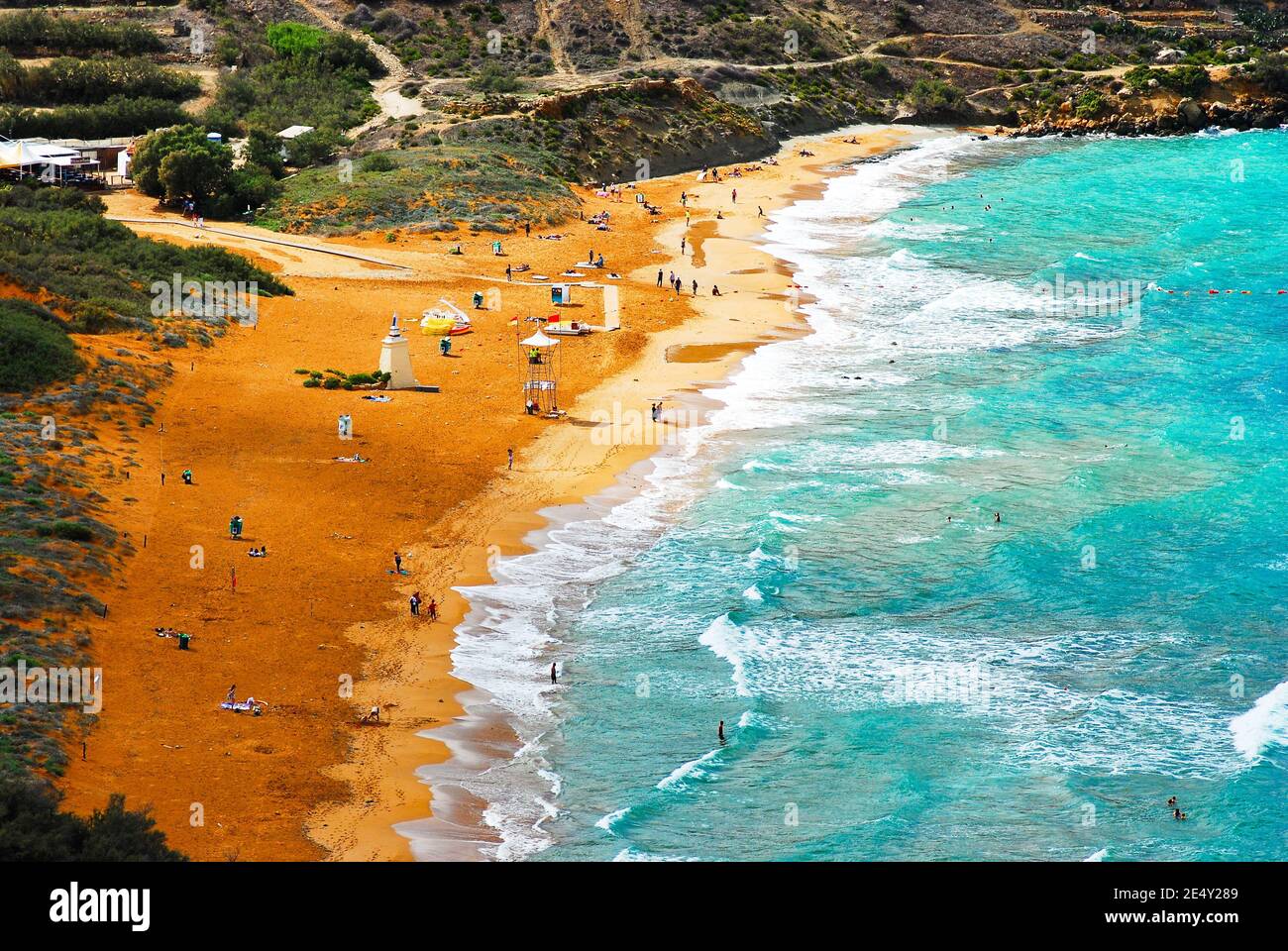
Sandy beaches for families with young kids. Gentle or invigorating hikes, good bike rides for families with teens. For those travelling with friends, you will find hikes landscapes.
Gozo night life in the summer is good, there is something happening all week in Marsalforn, Xlendi and Rabat. In winter life night life is mostly in the weekends though. Ask around to see what is happening, the Gozo grape vine is more efficient than the internet itself.
Suggested Gozo itinerary:
We would suggest the following one day self guided Gozo tour:
1) Visit Rabat, the capital of Gozo first. A breakfast of pastizzi / qassatta, a quick stop at Pjazza San George will start introducing you gently to the laid back ways of the island.
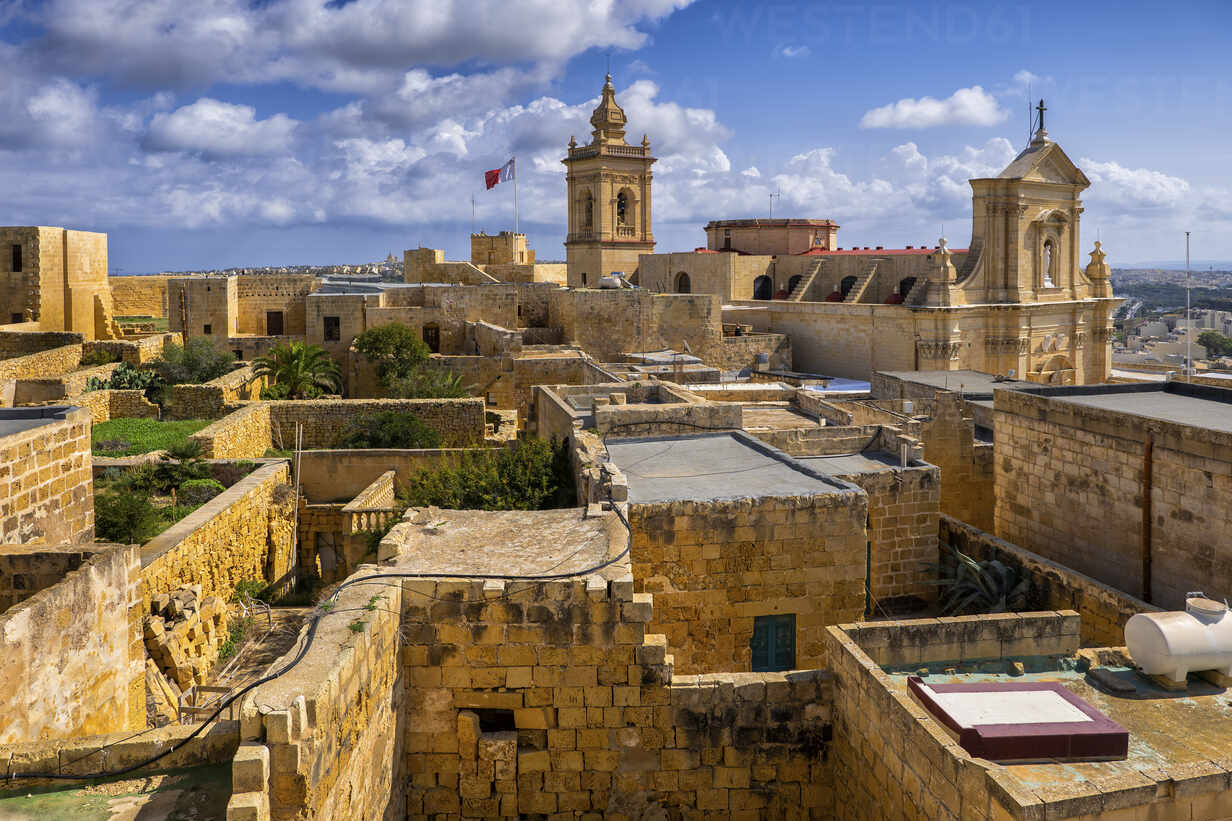
2) Use that caffeine boost to walk up to the small citadel (more forts!) and explore the views and tight alleys. This strong hold was built to fend off the pirates, which raided Gozo regularly. Hope we never have to use it again!
3) If you are the shopping type or want to split the group, you can head to the two shopping malls, Arkadia and The Duke.
This part of the Gozo self guided tour is best done with a car and a good GPS.
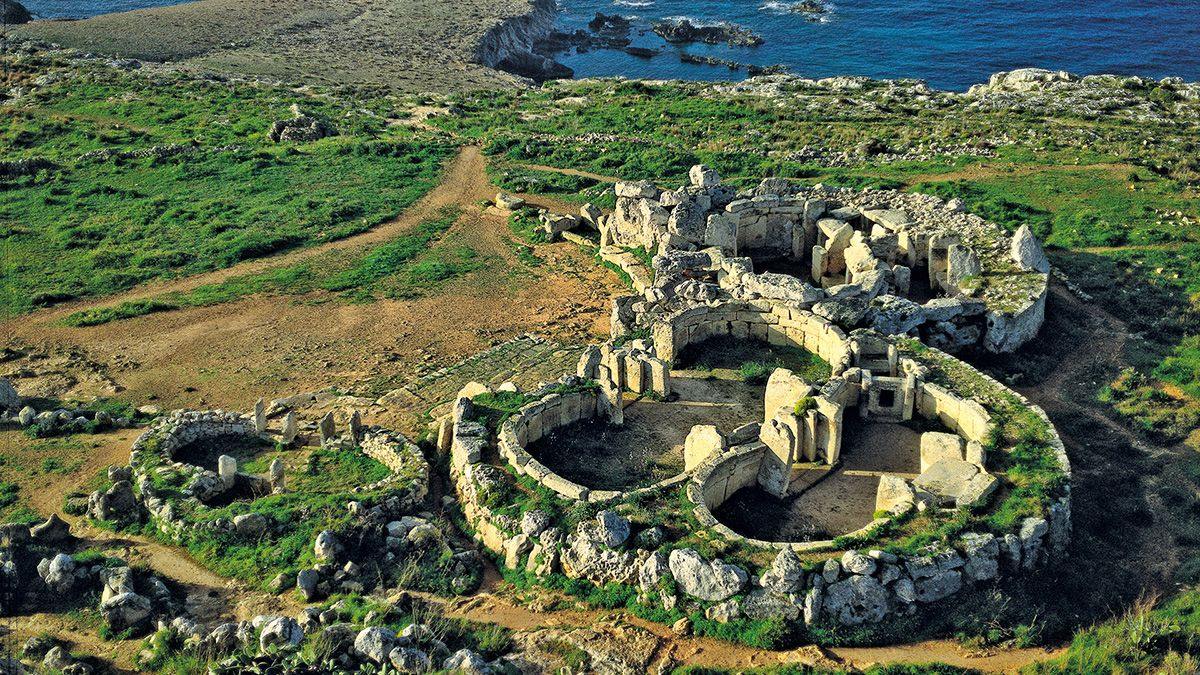
4) Ġgantija is a where you can find the megalithic temples, the ones in Malta are more elaborate. To satisfy your culture itch you can also visit the Ta’ Ċenċ Tombs or the Calypso’s Cave or Ta Kola Wind Mill.
5) You can visit Dwejra area. Here you have a number of things to see. Blue hole, Inland sea and the fallen Dwjera window and the fungus rock. If you are diving in Gozo, this area has some very nice dives.
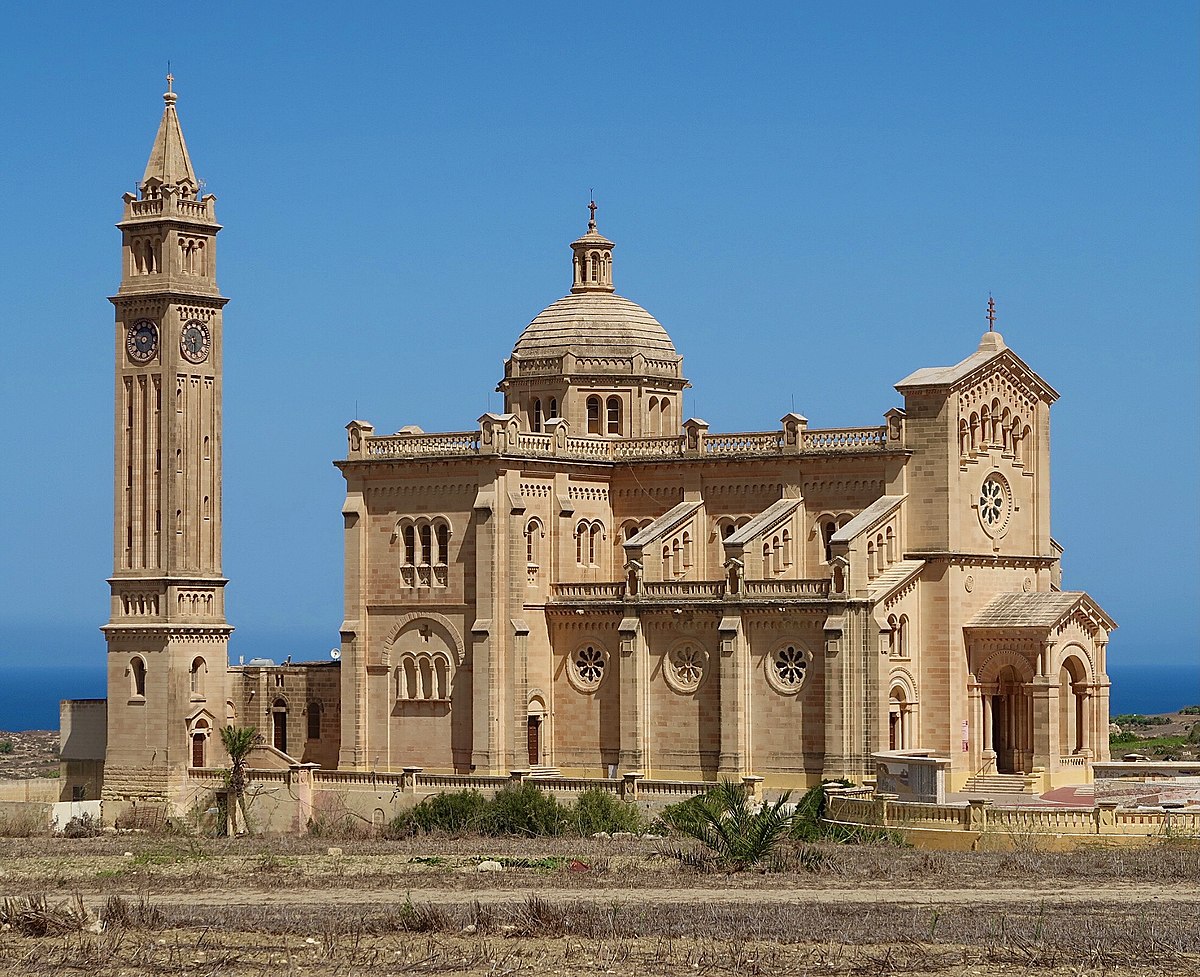
6) Visit ta Pinu Cathedral. This is a sacred place. Anyone of any faith or un-faith can find this area as place to contemplate life, the universes and the creation of our beautiful world. There is a hill opposite the cathedral, it is a steep walk up. However on top there are some nice views.
7) You can have lunch anywhere but Xlendi or Marsalforn are cool. Marsalforn is bigger and you have more dining and swimming options. Alternatively for something very local you can go to the St Joseph Band club in Ghajnsielem
8) After lunch you can have a nice self guided walk In Marsalforn. Be aware that the last part is OK for an adult, but younger kids and prams might find it challenging. Rain will make this track slippery.
9) After lunch and the walk you can visit one of the town squares. Xaghra Square is nice for an afternoon beer, tea, deca-coffee or a martini.
10) For a stunning sunset you can drive to Kenuna Tower and see the sun setting over the archipelago.
11) If you have done all this – well done. Time to go back to Malta !
Like a local in Gozo:
Maxokk is a local take away bakery, which makes the Gozo Ftira. Worth a try, definitely a different kind of pizza. Something between a bread and a pizza.
Santa Marija is a village feast taking place on the 15th of August in Gozo. However it has been commercialised and a lot of “parties” take place that week in Gozo. Both traffic and higher hotel prices are higher in this period. If you are looking for events and social fun this is a very good time to visit.
The Nadur carnival is an experience! (Maybe even the experience) It is usually organized between the 12th and the 19th of February. Check Here. The majority are locals, but tourists and expats are very welcome. It is well known for the locals to go wild with their costumes.
Sunrise as seen from the Ghammar Hill (opposite ta Pinu cahtedral)) is something special. It will probably involve waking up at 5amish or doing it last thing before a night out! Checkout the sunrise time on Google.
Whilst the first “window” (a rock formation that looks like a frame) in Dwejra has fallen, there is a second one less known in
Wied il-Mielaħ. It takes more effort to get there, but the reward are some amazing group photos with a priceless backdrop.
In Xlendi on the right side, you will see a path in the cliffs leading to a very small alcove. It can be walked and is usually safe to do so even with children.
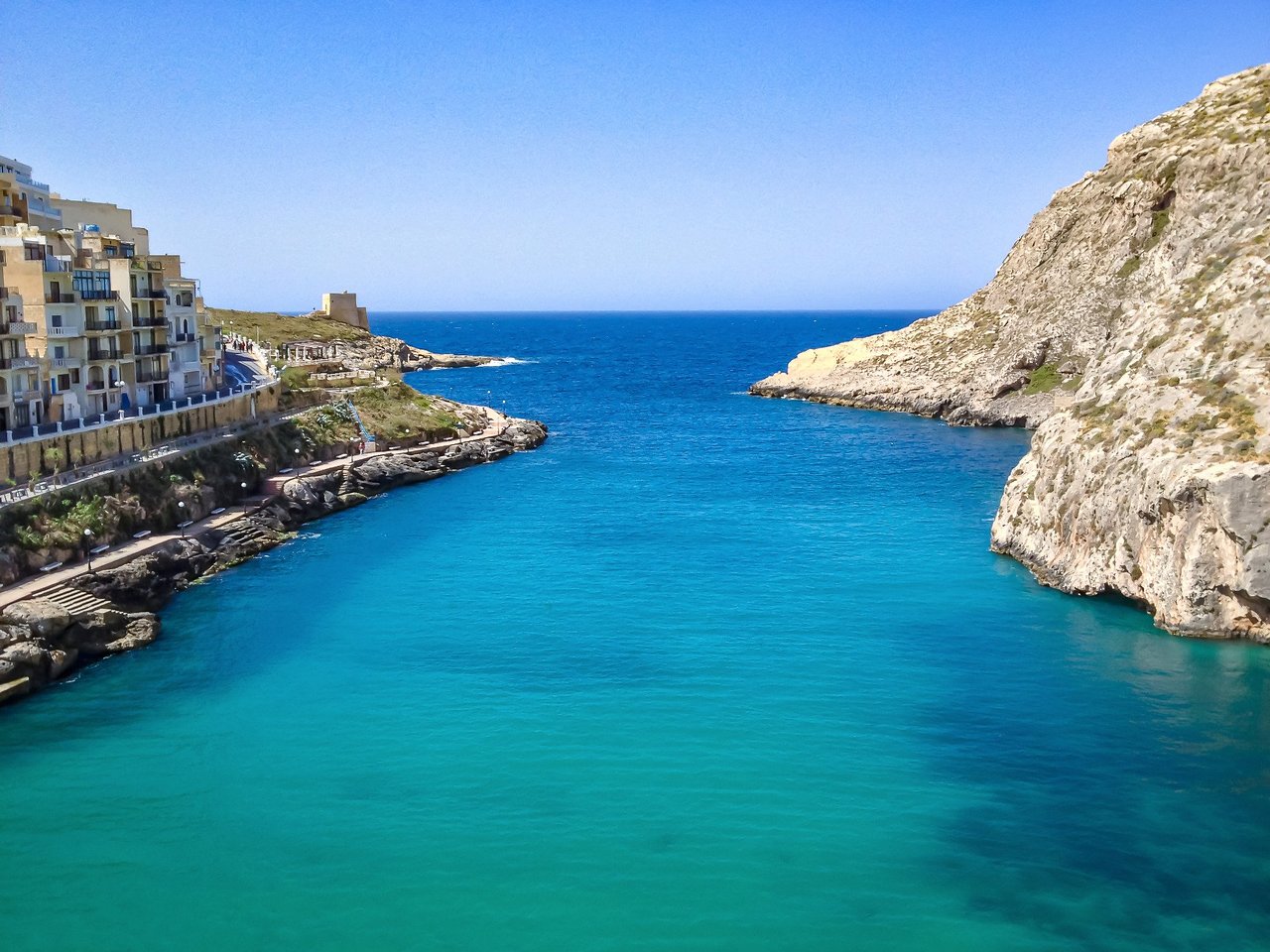
Generally, Xlendi is a nice and safe place to swim and all can have fun splashing. However … there is another underground sea cave in Xlendi on the right hand side. This is not the very visible cave that at the begging of the cliffs (right). You can only see it if you are snorkelling or diving. Some people lost their lives trying to dive through it including experienced locals. It is a bad idea especially if the dive starts from the main bay rather than from behind the cliffs, because the light is not visible when going from the bay into the cave. I was not sure if I should write this as 99% of the people swimming in Xlendi will never come across this cave.
There are some jumping spots on the left of Mgarr ix xini. It is a dangerous spot to jump from!
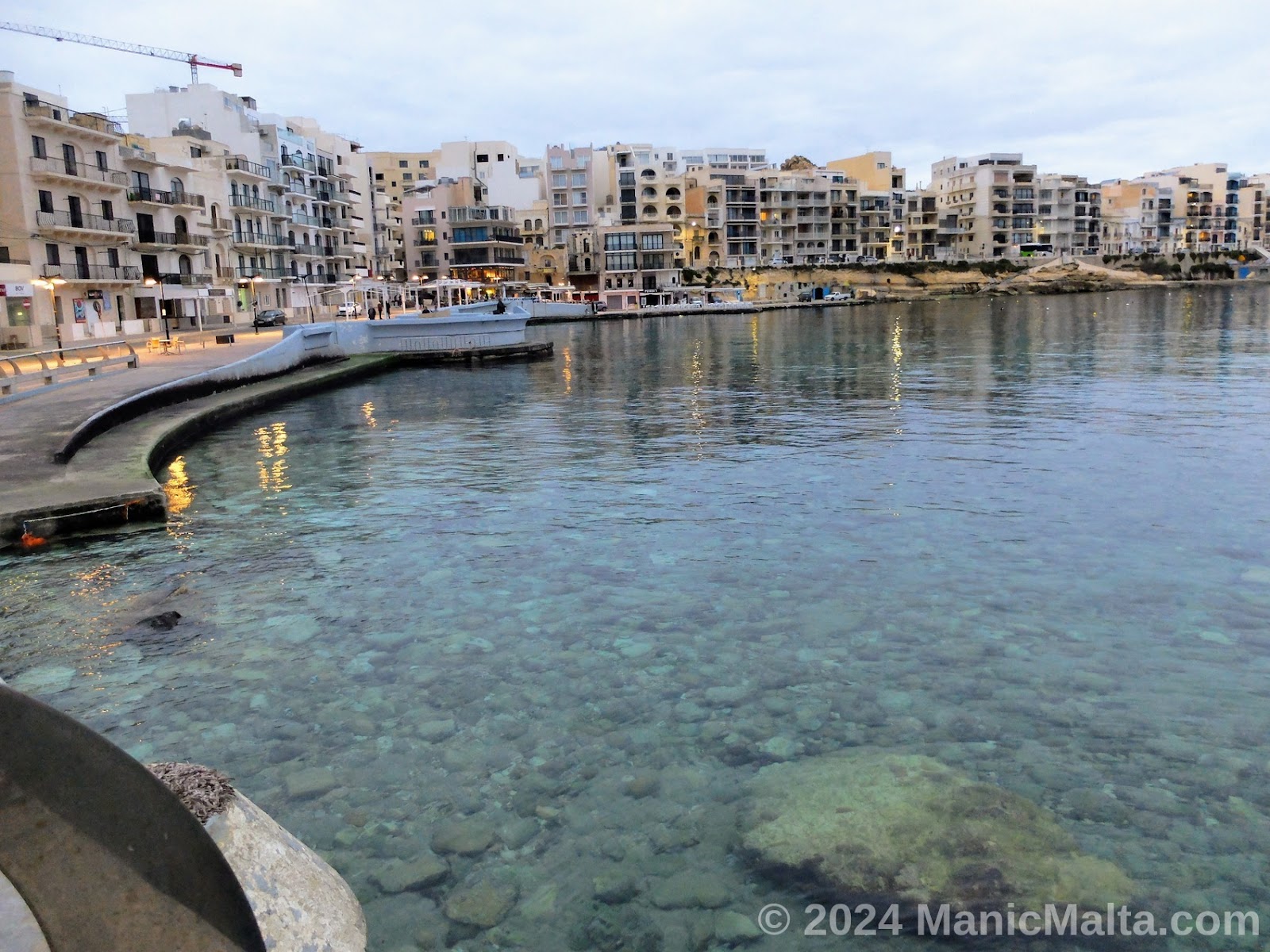
You can walk all the way around Gozo! It is a hard walk but doable, I know some who started at 5am and finished it in a day. Probably splitting it in two or three days would be easier on those hamstrings.
Day 6: Maltese Southern Coast
The Maltese southern coast and area are worth visting!
Marsascala, St Peter’s Pool and Marsaxlokk.
Getting there:
Getting to St Peter’s pool is possible by both bus or taxi. Taxi or rental car being by far the easiest.
Alternatively you can take a bus to Marsaxlokk and then walk (it’s quite the walk) to St Peter’s pool. You could also take the bus to Marsaxlokk and then an eCabs/Uber to St Peter’s pool to save some money.
Self-Guided Itinerary:
Simple:
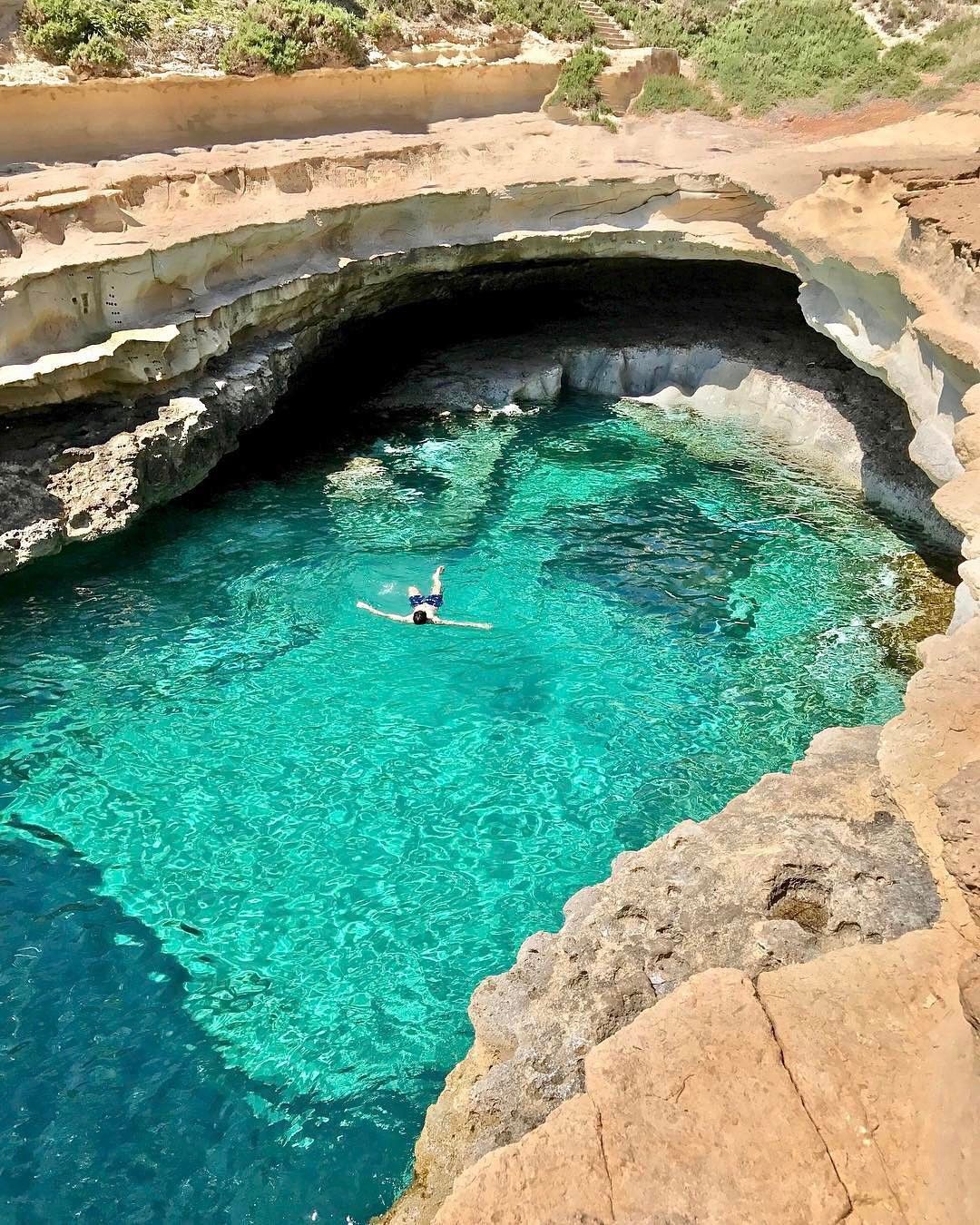
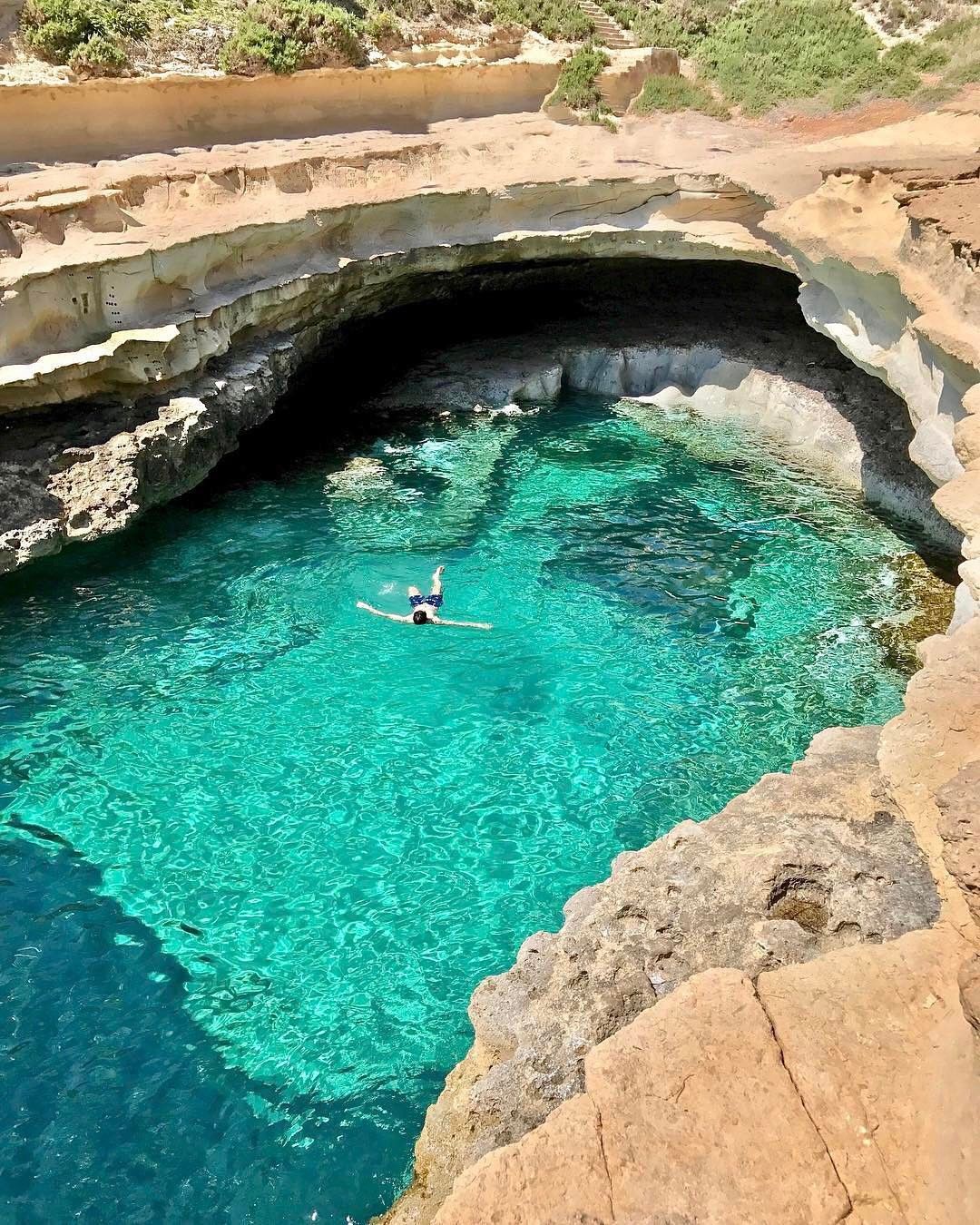
You could start the morning in St Peters pool area. Have a swim in the summery months and have a hike in the slightly colder months. The Martian like terrain is interesting . In the afternoon, you could go to Marsaxlokk for a lunch or coffee, explore the village and then head to Marsascala in the later afternoon.
If you are doing this on a Sunday there is a nice market in Marsaxlokk in the morning, which closes around 12:00, after which you can go for the swim to St Peters pool and then to Marsaxlokk.
A bit more complicated but more interesting Hike:
An idea for a hike between Marsaxlokk and Marsascala via St Peters Pool. In between the two villages there are no shops, so do take some water and snacks, You need to let the coast guide you, but be careful because the cliffs are unsafe, so keep your distance.
Alternatives Self-guided walks in the south of Malta:
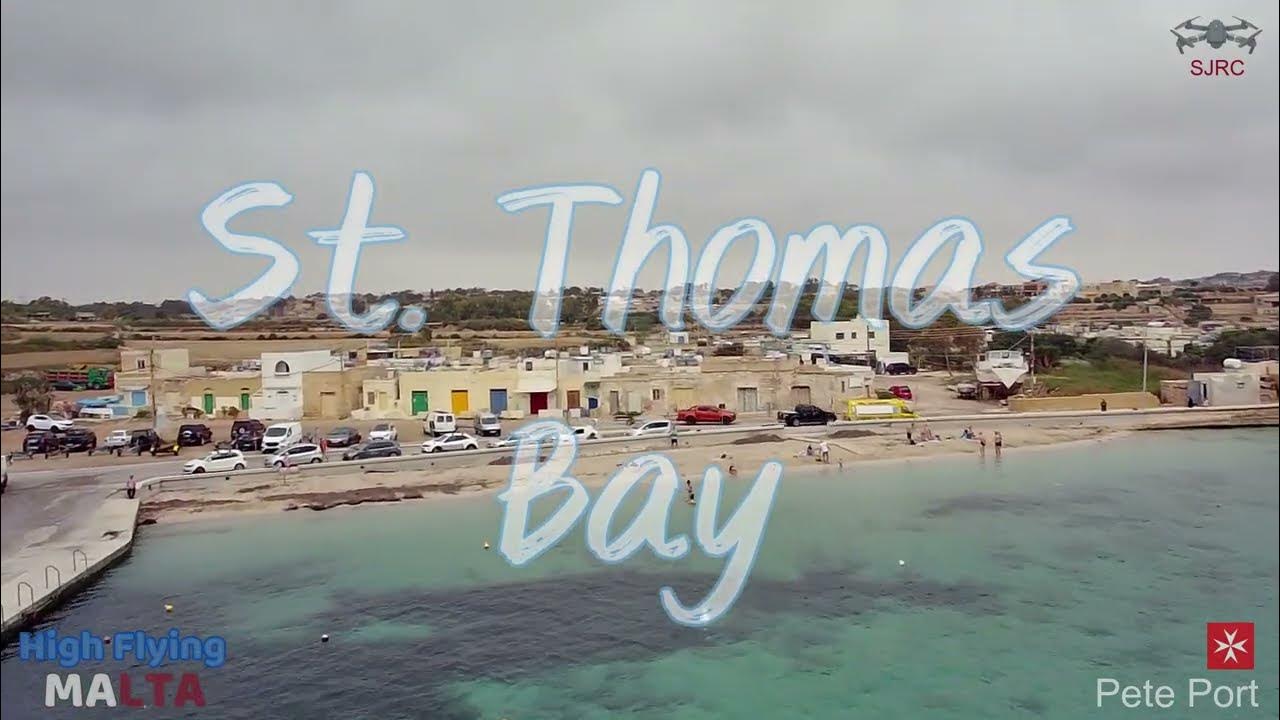
from Xaghra to St Thomas Bay
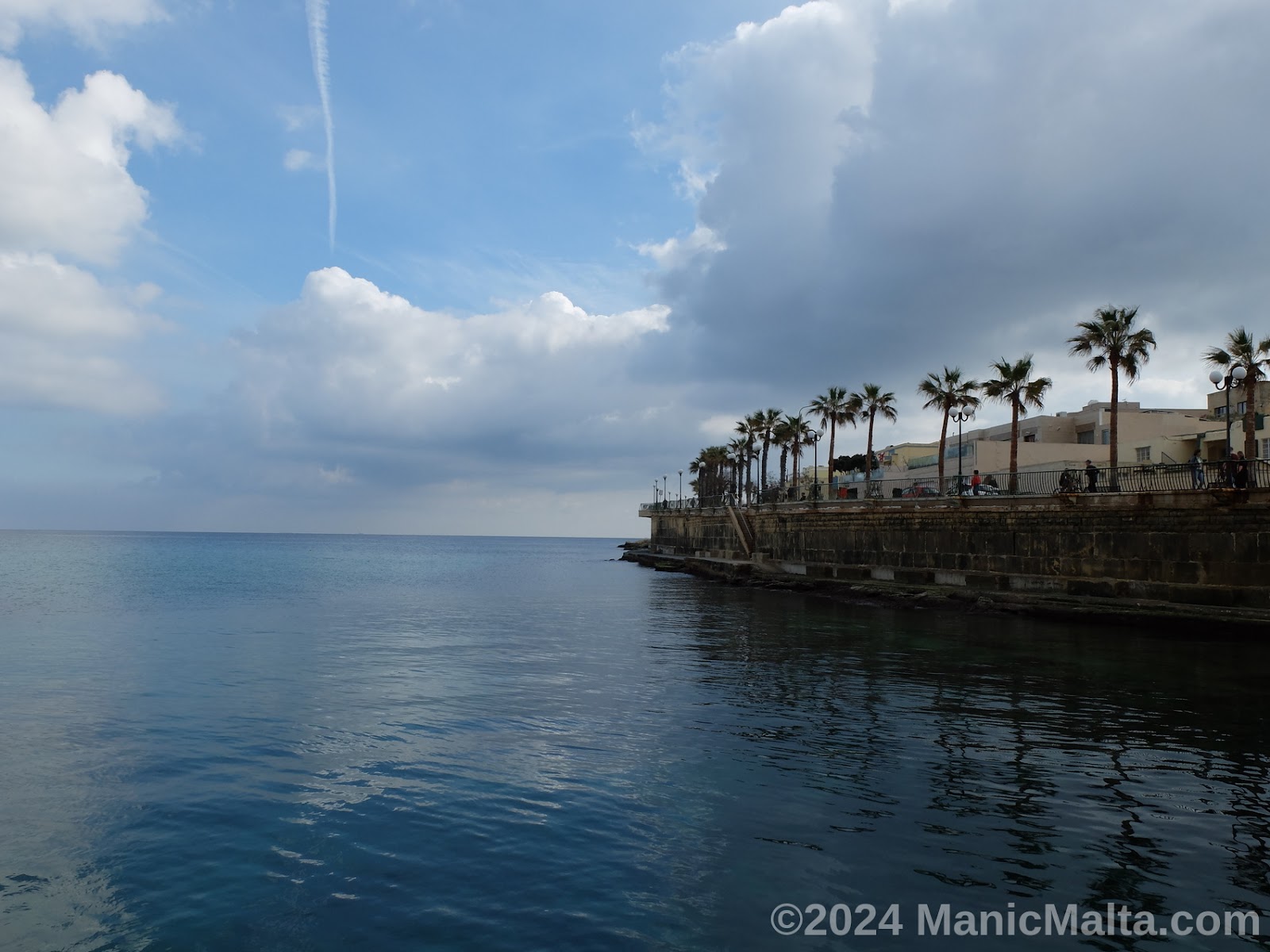
along the Marsascala promenade
from St Thomas Bay to Marsaxlokk
About :
The south of Malta is a collection of densely populated villages, strung together with a network of twisty roads. Most tourists do not venture this far out from their hub in Sliema or Gzira. However, they are missing out on some potential memorable walks, swims and nights out.
Several decades ago In the past, the south and the north of Malta where the centres of different socio-politic centres. Where the south was dominated by one party and the north by another. The differences were pronounced by education levels, wealth disparity, language, blue collar vs white collar. Today there are still some scintillate of this, geographical divided have been mostly eroded.
In the 1980’s, Malt a had the “tal-barrani incident” which played out in the streets of the south. This is the closest the island came to a Maltese civil war. Some of the various actors involved in those riots, eventually were a key part of Malta’s accession to the EU. Whose accession changed Malta significantly. With many millions being poured in local business and infrastructure projects. Yes some of the roads you will be travelling on and your swift entrance and exit in the airport is thanks to the EU.
Today the South has also experienced fresh waves of investment; infrastructure, playgrounds and open spaces.
Politics in Malta are a hot topic, and during election time the temperature goes up. Nothing to worry about though. If you dare you can even join in the friendly fun of “meetings” no matter who wins. The winning party will host a party to remember!
Like a local:
Walk around the small streets of Zejtun.
Between Smart City and Xaghjra. There is some opportunity for mini-rock climbing i.e. bouldering and jumping for kids. Use common sense and caution though. Sometimes there is broken glass etc. If you have small children that have discovered they can climb and run on uneven surfaces this self guided walk can be a hike or some climbing. Some parts are easy and look safe others are very dangerous if you go off the obvious path. I have done this walk multiple times with small children.
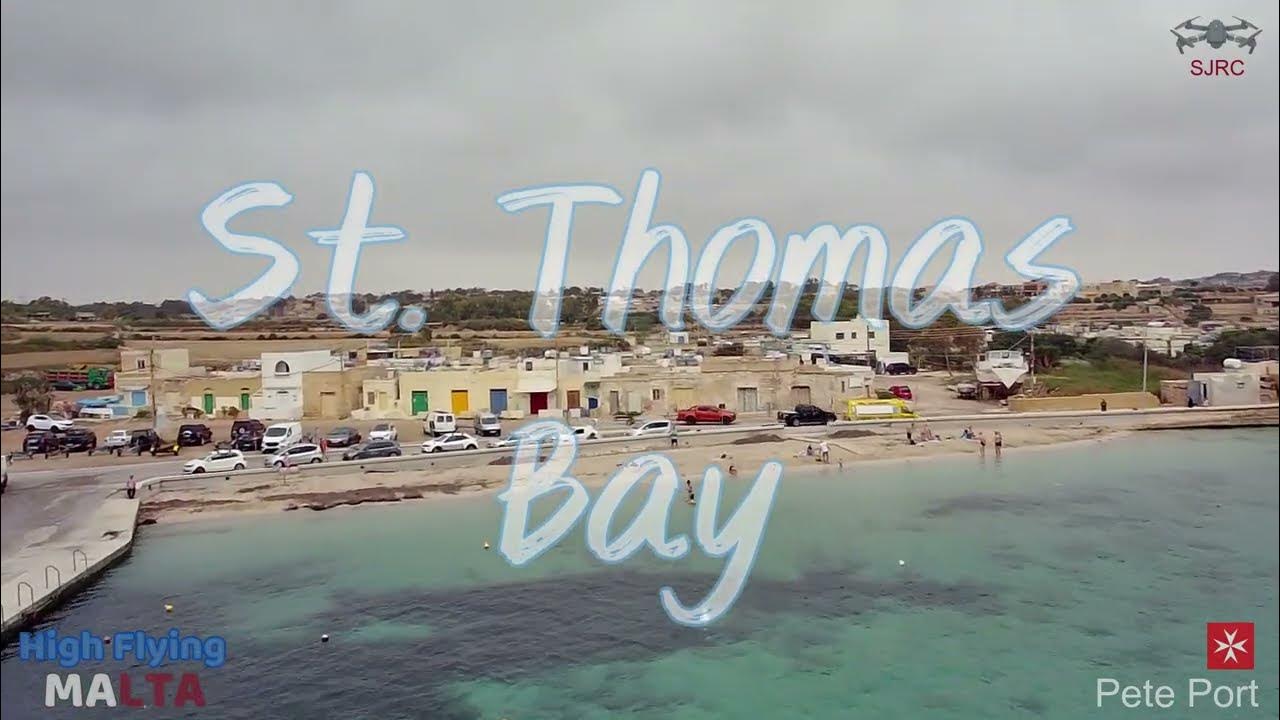
An very early morning swim in St Thomas bay is magical. The catch is that early morning in Malta means before 08:00. In peak summer months this area is too crowded.
An half or full day visit is Esplora which is a museum filled with interesting Science experiments. It is fun for older kids and parents alike.
In the evenings the MarsaScala children’s playground s area is great for small children the playground is always full.
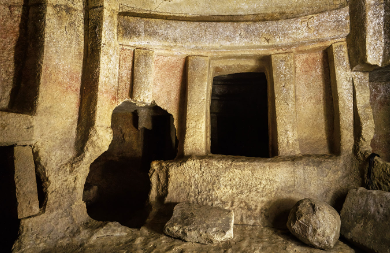
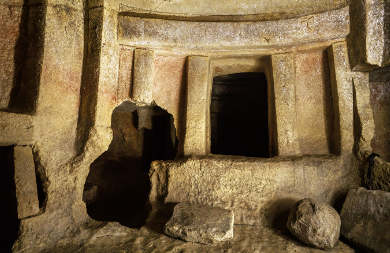
The Ħal Saflieni Hypogeum is an impressive An impressive 6,000 year old temple and cemetery. It is a set of underground chambers which people used to perform their rituals and celebrate their dead. Booking months early is an absolute necessity.
Day 7: The West of Malta
Brilliant Views, Open Spaces, Rich History and Culture
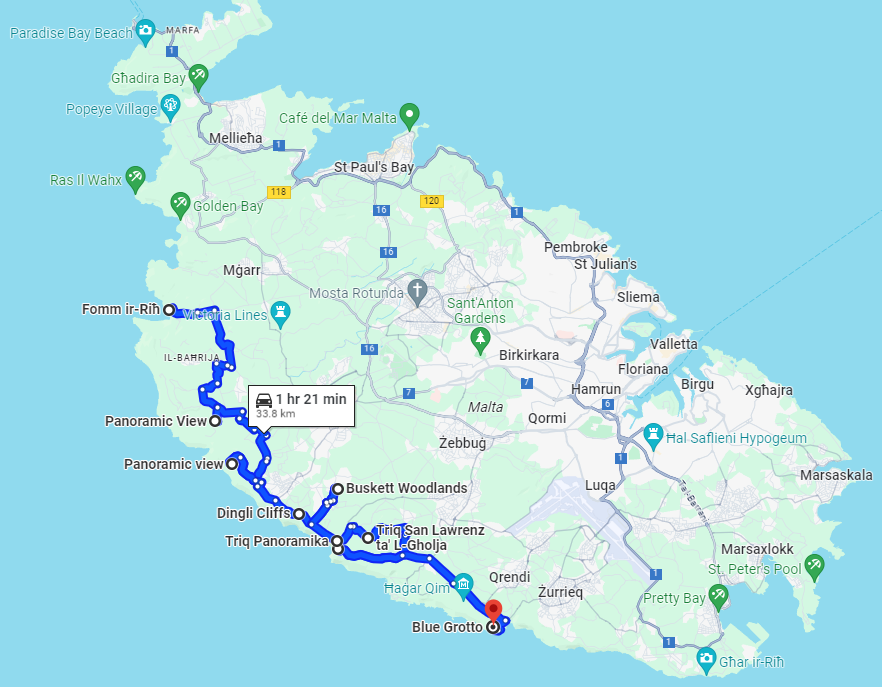
Self Guided Drive the east of Malta
You could also walk this trip, but it is a 7 hour hike.
This is an easy self guided drive in the west of the island. A lot of Panoramic views, and open spaces. This is great for all seasons, but avoid in the rare heavy rains. In the first and the last stops you can swim.
If you feel like a small hike at the end of the drive we also have a self guided 30 minute hike from Ghar Lapsi . There are some steep parts in this hike, do not do it when it is raining. Kids need to be careful. Sometimes slippery when wet! Use caution and common sense in the cliff areas.
Day 8: West Malta Slow paced
Temples, Caves and a quick dip!
Hagar Qim, Mnajdra, Blue Grotto, Ghar Hasan and Ghar Lapsi
Getting there:
Public Transport is an option, but it takes time. If you have the time, to idle and enjoy some slow travel it is recommended.
About :
The South East of Malta is a mix of villages, natural landscapes and villages.
Interesting to know:
There are a few climbing spots in this area, you need to be properly trained and have the right equipment. The Xaqqa Cliffs , where there is cool very flat climb called “motrocycle psycho”. You can also enjoy this area by walking from the top of the steep “valley” to the sea.
There is a wreck the Um El-Faroud Wreck which is only accessible to properly licensed and trained divers. It is not a good idea to swim to this wreck without the proper equipment. In any case it is at 25m of depth plus, so you will not be able to see it. This ship exploded in the dry dock in Bormla see “Day 3: The Three Cities”.
The Lapsi reverse osmosis plant, is one of a few plants that changes sea water into potable water.
Like a local:
There are two easy swimming spots in this area. The first is the Lapsi Bay and the second is the blue grotto canal. These swimming spots are nice, you have to judge on the day if the sea is ok to swim in. Most of the time, it should be fine, however this area is known for it’s rough seas.
There is a kids play mobil fun park in the middle of an industrial zone between this area and Birzebbuga, it is quite fun to visit and pre-teen kids can entertain themselves happily for a few hours. For the older crowd there is a carting track.
Self guided Walks in the West of Malta : Ghar Lapsi Hike
Hagar Qim
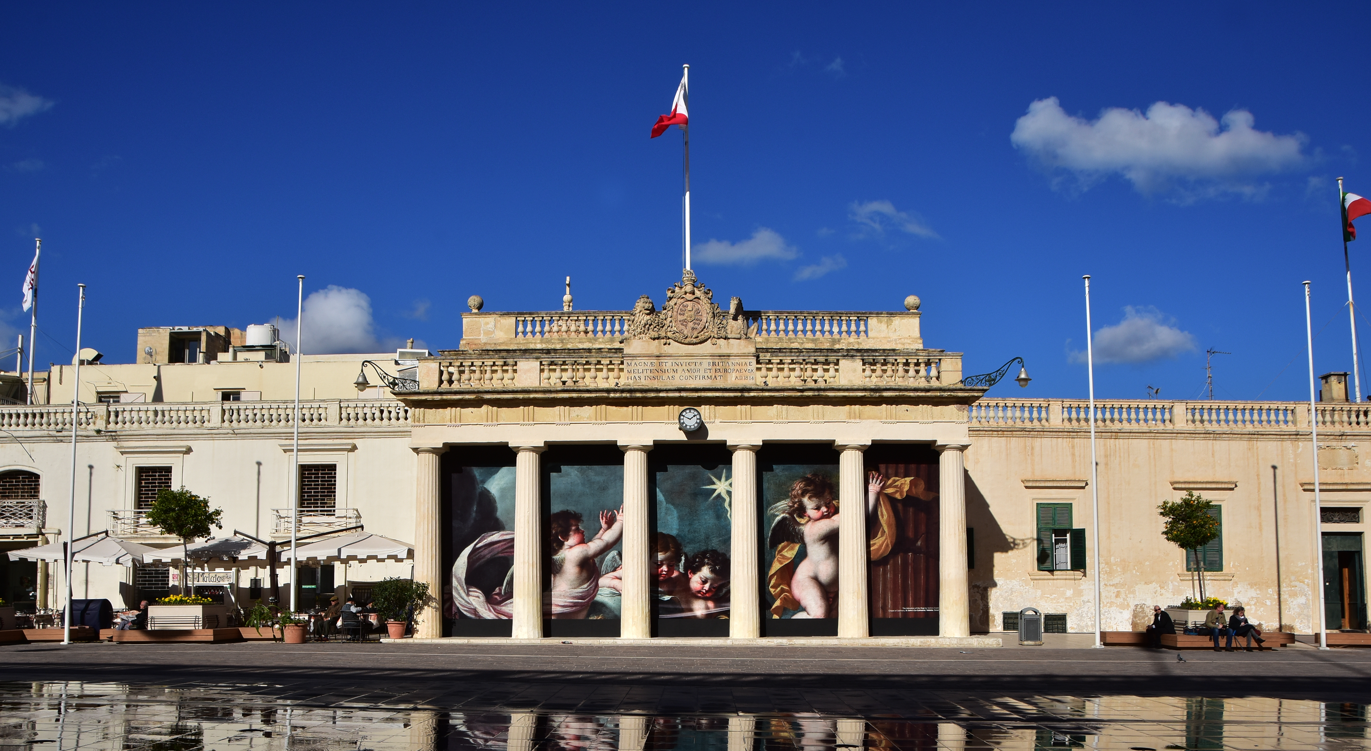
Mnajdra
Blue Grotto
Lapsi Beach
We highly recommend to base yourself in Sliema or Gzira.
Short term rental flats are very well organised. You have a larger space and cheaper for the group.
Disclaimer: The activities suggested in this ternary are on a best effort basis and make sense at the time of writing. Good physical condition, swimming skills, good hydration and good weather and sea conditions are recommended but are not the only requirement to be inspired by this tour or walks. Physical needs may vary according to the weather and time of the day. The authors will have no liability whatso ever in the reading of this information. Using is completely your choice. Some historical facts may be open to interpretation. The author is not a historian.
Our apartments are usually fully booked do not miss your stay !
Gzira 2-Bedroom Apartment
Stay in the heart of Gzira in this beautifully decorated 2-bedroom apartment on the first floor. Enjoy modern comforts like full air conditioning, a spacious living room with a 65″ backlit TV and electric fireplace, and a back terrace with a hanging sofa. The apartment also features a games room with table soccer, three desk areas, a cozy reading nook, and a traditional Maltese balcony—perfect for your Maltese getaway. To book this apartment, click here: http://bit.ly/HolidayMalta
Sliema 1-Bedroom Apartment
Experience central Sliema from this charming, fully air-conditioned 1-bedroom apartment on the second floor. Adorned with Maltese-themed décor and art, it offers a cozy living room with a 55″ backlit TV, separate desk areas, a traditional Maltese balcony, and a back balcony. Enjoy modern comforts in a vibrant location. To book this apartment, click here: http://bit.ly/SliemaAirBnB.
Discover Your Perfect Stay in Malta: Gzira's Hidden Gem Apartment
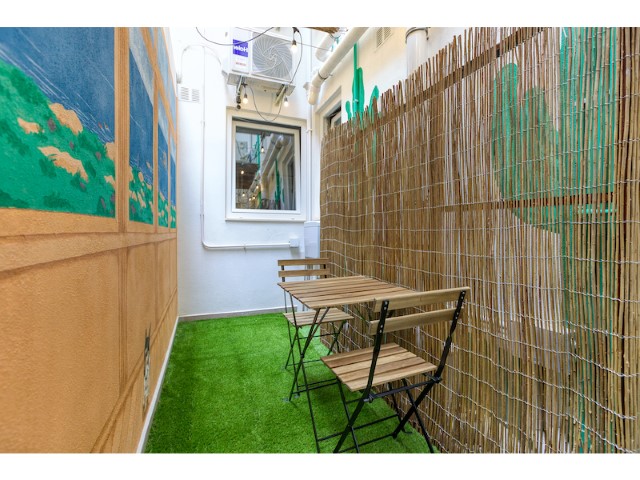
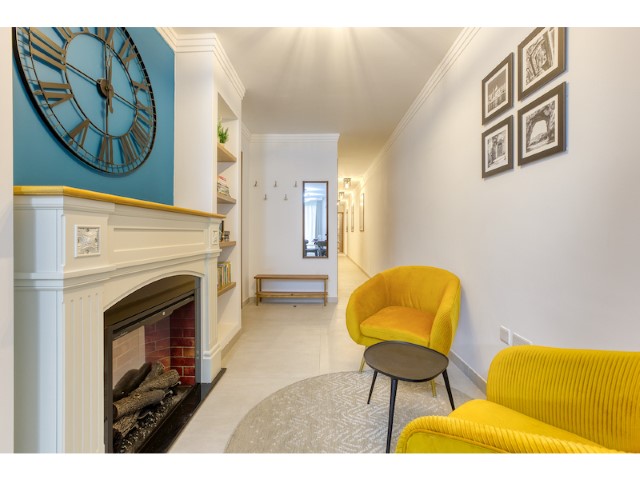
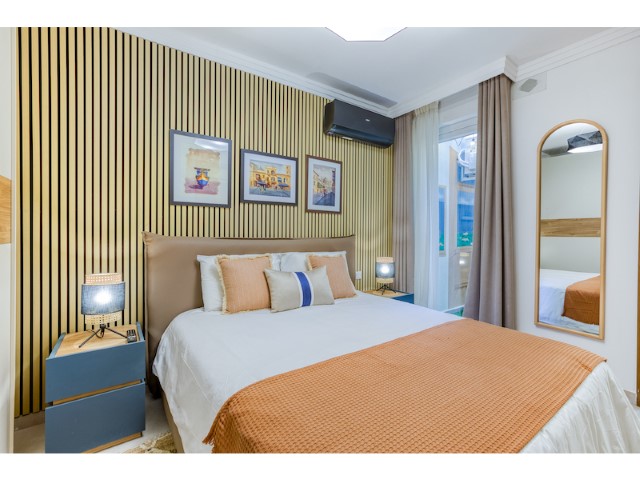
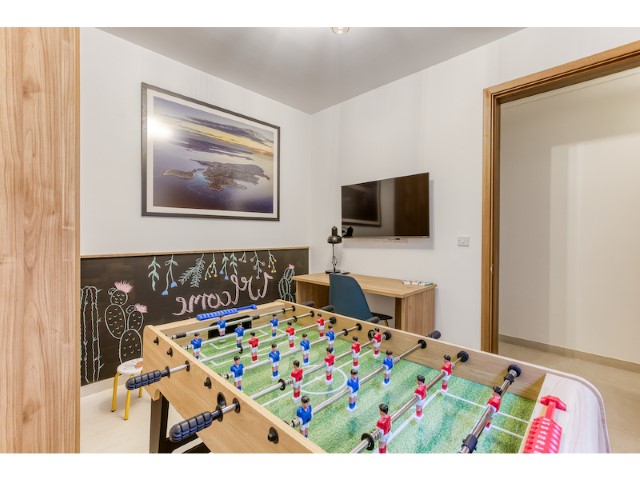
- 2 Bedroom Apartment with 2 double beds + 1 Games room with spare bed a Table Soccer + Blackboard. It has 3 Separate Desk Areas.
- It's on the first floor, has a Maltese Balcony and is Fully Airconditioned.
- It has three external areas: a Maltese Balcony, Back Terrace with hanging sofa, and a small internal yard with a Mural.
- 3 TVs. The living room TV is a 65” with backlight.
- Maltese themed with nice pictures and art.
- Central location in Gzira, one of the best tourist areas on the island.
- A large living room with an Electric Fireplace, sofa, fully equipped kitchen, a Separate Armchair area, a Physical Book Library and a sofa bed.
Google Travel Direct Bookings (Cheapest) Booking.com Airbnb